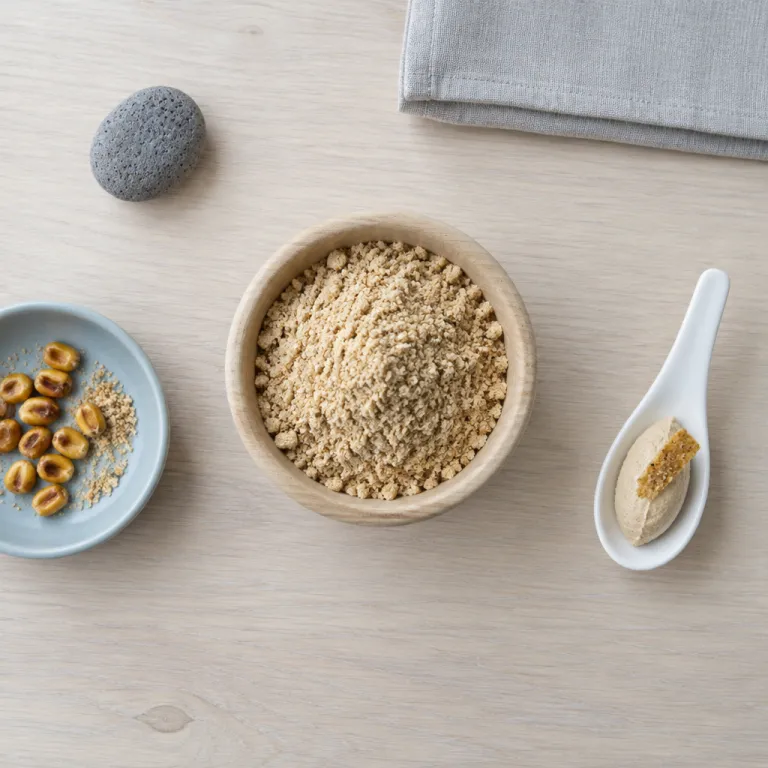
Gofio canary islands cuisine as the taste of identity
Gofio sits at the heart of traditional Canary Islands cuisine, carrying centuries of memory in every spoonful. This toasted flour, usually made from wheat, maize, or blends of the two, was once the daily food that kept the Guanche population alive through scarcity, and it still anchors Canarian culture in both humble kitchens and ambitious hotel restaurants. For a couple planning a luxury stay across the islands, understanding gofio means understanding why food in the Canary Islands feels so rooted and so different from mainland Spain.
At its simplest, gofio is a finely milled toasted flour produced in a gofio mill or molino, traditionally powered by wind or water on islands like Tenerife and Gran Canaria. The grain — often wheat, corn, or mixed cereals — is toasted before grinding, which gives gofio its nutty aroma and makes it easy to stir into fish broth, soups, stews, or even cold milk as a complete food. This traditional process is now protected under the Gofio Canario geographical indication (PGI, registered by the European Union in 2014), a quiet guarantee that what is served in your hotel bowl connects directly to the history this flour has written across the archipelago.
On Tenerife, Gran Canaria, and the smaller islands, gofio appears in both everyday and ceremonial dishes that define island cooking. You will see it kneaded into dense gofio amasado, whisked into escaldón de gofio with hot fish broth, or sprinkled over ice cream in simple cafés. Luxury properties now treat this same traditional staple as a signature ingredient, using it to signal that their kitchens speak the language of Canarian culture rather than generic resort food.
From mill to tasting menu: how chefs reinterpret a traditional staple
The journey from rural mill to Michelin-level plate explains why this aspect of Canary Islands gastronomy fascinates food-led travelers. In villages from Santa María de Guía in Gran Canaria to small valleys above San Cristóbal de La Laguna in Tenerife, the local gofio mill still roasts and grinds grain for families who treat it as non-negotiable pantry flour. Those same molinos — such as the historic Molino de Gofio de La Salud in Santa Cruz de Tenerife — now also supply hotel chefs who want the depth of toasted flour and the story of continuity to underpin refined menus.
Classic recipes remain omnipresent, including papas arrugadas with mojo and ropa vieja, where a spoon of gofio thickens sauces or adds texture to soups and stews. In coastal restaurants near Puerto Rico in Gran Canaria or around Santa María de Guía, you might taste it sprinkled over grilled fish or folded into a paste that is served alongside robust local wine from volcanic soils. This is still recognizably traditional Canary cooking, but the plating has become sleeker and the context more polished, especially inside luxury hotels that court gastronomic travelers.
Curious couples can trace this evolution directly by pairing a visit to a working gofio museum with dinner in a hotel dining room that treats the flour as a luxury ingredient. One evening you might stand beside a whirring molino watching toasted grain turn into warm flour, and the next you could be tasting a gofio crumble over artisan ice cream in a fine dining room. For a broader view of how local products like goat cheese and island wines shape high-end menus, read this detailed guide to the Canarian pantry and its signature ingredients.
Tenerife and Gran Canaria: hotel restaurants leading the gofio revival
Among all the islands, Tenerife and Gran Canaria have become the sharpest stages for the revival of this toasted-flour tradition. On Tenerife, luxury hotel dining rooms from Costa Adeje to Santa Cruz de Tenerife treat gofio as a quiet star, folding it into breads, sauces, and desserts that frame Atlantic fish and volcanic vegetables. Gran Canaria follows closely, with resorts near Las Palmas de Gran Canaria and the southern coast using the ingredient to connect guests with inland farming communities and the rugged interior.
In Santa Cruz de Tenerife, high-end hotel kitchens often pair gofio with fish broth, turning a once humble thickener into a silky base for refined soups and stews. Along the coast near Puerto Rico in Gran Canaria, chefs play with contrast, serving grilled fish under a crust of toasted flour and pairing it with chilled local wine for a modern take on island traditions. These plates feel rooted in Canarian culture yet fully aligned with international fine-dining expectations, which is exactly what discerning couples usually seek when they book a premium stay.
For travelers who prioritize gastronomy when choosing where to sleep, Tenerife’s luxury properties offer a particularly dense cluster of serious dining rooms. Many of the island’s Michelin-starred restaurants sit inside hotels, and their tasting menus often treat gofio as a narrative thread that runs from amuse-bouche to dessert, as outlined in this in-depth look at where Tenerife’s fine dining lives inside its luxury hotels. When you filter properties on a booking site, pay close attention to menus that mention gofio, local grains, or nearby mills, because those details usually signal a kitchen that takes Canarian identity seriously.
Designing a food led stay: how to book for gofio focused experiences
Planning a romantic escape around Canary Islands cuisine means reading between the lines of hotel descriptions. Look for properties that highlight Canarian culture, reference local suppliers such as a nearby gofio mill or molino, or mention tasting menus that feature traditional dishes like papas arrugadas and ropa vieja. When a hotel talks about pairing local wine with food from specific islands rather than generic Mediterranean dishes, you are usually in safe hands.
On Tenerife, consider stays that place you within easy reach of both coastal restaurants and inland villages where gofio remains everyday food. A drive from Santa Cruz de Tenerife up to La Laguna or further into the Anaga mountains lets you move from polished hotel dining rooms to rustic guachinches where toasted flour is served with fish broth, grilled meats, and simple soups and stews. On Gran Canaria, a base near Las Palmas de Gran Canaria or Santa María de Guía allows you to combine city-level comfort with visits to traditional mills that still toast wheat, maize, and mixed cereals for local families.
Couples who enjoy curated experiences can also look for hotels that host themed dinners or small events centered on gofio and other Canary food staples. Some properties collaborate with local producers to stage evenings where toasted flour, island cheeses, and volcanic wine share the spotlight in intimate settings, a concept explored in depth in this guide to exclusive culinary events in Canary Islands hotels. When you see mentions of gofio museum visits, molino tours, or tastings that include both ice cream and savory dishes built around this flour, you can be confident that the property understands how heritage can elevate hospitality.
Beyond the plate: gofio, memory and modern Canarian culture
What makes this element of Canary Islands cuisine so compelling for luxury travelers is not only flavor but meaning. Gofio carries the memory of hardship and resilience, from pre-Hispanic Guanche communities through lean agricultural decades when toasted flour and fish broth meant survival. Today, when you taste it in a hotel dessert or alongside a glass of island wine, you are tasting a story that has moved from necessity to choice, from subsistence to celebration.
Across the islands, especially Tenerife and Gran Canaria, younger chefs treat gofio as a symbol of continuity rather than nostalgia. They fold it into breads that accompany tasting menus, use it to thicken refined soups and stews based on Atlantic fish, and even churn it into ice cream that balances toasted notes with local honey or tropical fruit. In places like Santa María de Guía or small towns above Las Palmas de Gran Canaria, you can still visit a gofio museum or working molino in the morning, then see the same grain reappear as a delicate crumble on your plate at night.
For couples choosing where to stay, this depth of meaning matters because it separates generic luxury from a stay that feels anchored in place. A hotel that talks about the history of gofio, that sources from a specific mill, or that names villages such as Santa María de Guía in its menu descriptions is usually serious about Canarian culture. When those details sit alongside thoughtful service and strong wine lists, you have found the kind of property where the islands themselves — their food, their mills, their volcanic fields of wheat and maize — shape every course that is served.
FAQ
What exactly is gofio in Canarian cuisine ?
Gofio is a toasted flour made from milled grains such as wheat, maize, or barley, traditionally produced in small mills called molinos across the Canary Islands. The grain is toasted before grinding, which gives it a nutty flavor and makes it easy to mix into fish broth, soups, stews, or even milk. It has been a staple of Canarian culture since pre-Hispanic times and now holds protected Gofio Canario status under the European Union’s PGI scheme.
Where can I taste authentic gofio during a luxury stay ?
You will find authentic gofio in both simple restaurants and high-end hotel dining rooms on islands like Tenerife and Gran Canaria. Look for menus that mention traditional dishes such as papas arrugadas, ropa vieja, or escaldón de gofio, and pay attention to properties that reference a local gofio mill or gofio museum. Areas around Santa Cruz de Tenerife, Las Palmas de Gran Canaria, Santa María de Guía, and coastal towns near Puerto Rico are particularly rich in options.
How is gofio used in modern fine dining menus ?
Contemporary chefs use gofio as a versatile ingredient that adds texture and flavor while telling a story about Canarian identity. In luxury hotel restaurants it might appear as a crust on grilled fish, a thickener for refined soups and stews, a component of bread service, or a crumble over ice cream and fruit. These dishes often pair toasted flour with local wine and other Canary staples to create tasting menus that feel both modern and deeply rooted.
Is gofio suitable for travelers with dietary preferences ?
Gofio is naturally made from cereals such as wheat, maize, or barley, so it is not suitable for gluten-free diets when wheat or barley are used. Some mills produce gofio based solely on maize or other gluten-free grains, but you should always check the exact composition with the restaurant or hotel. Many luxury properties are used to accommodating dietary needs and can explain how their gofio is sourced and served.
How can I choose a hotel that takes Canarian gastronomy seriously ?
When browsing a booking site, focus on hotels that highlight Canarian culture, name specific islands or villages, and mention local suppliers such as a gofio mill or winery. Menus that reference gofio, papas arrugadas, ropa vieja, island fish, and volcanic wine usually indicate a kitchen engaged with authentic island cuisine rather than generic international dishes. Reading detailed restaurant descriptions and guest reviews will help you identify properties where food is central to the experience.