How César Manrique turned Lanzarote into a living gallery
César Manrique was a Lanzarote born artist architect who treated the island as his canvas. As one tourism board summary puts it, “A Lanzarote-born artist and architect integrating art with nature.” His approach to what many now call César Manrique Lanzarote architecture still shapes every serious conversation about luxury stays in the Canary Islands.
Rather than imposing grand architecture on the volcanic landscape, Manrique fused traditional whitewashed forms with volcanic rock, wind, and light to create a new language of art nature. This artistic architectural integration emerged in a post eruption context, when the island needed both economic revival and protection from speculative tourist development. The result is that Lanzarote César feels curated at island scale, from low rise villages to the way hotels frame views of the Atlantic and the natural volcanic bubbles beneath the surface.
Manrique worked with local architects, government authorities, and the emerging Manrique Foundation to ensure that art, architecture, and nature remained inseparable. His methods were radical yet simple, using local materials, natural caves, and lava flows as structural partners rather than obstacles. For luxury travelers, this means that many of the most desirable places to stay now echo the same principles that shaped Jameos del Agua, Mirador del Río, and the cactus garden at Guatiza Lanzarote.
Taro de Tahíche and the volcanic bubbles that changed hotel design
The purest expression of César Manrique Lanzarote architecture sits at Taro de Tahíche, now the Fundación César Manrique. Here the artist architect built his home directly into five volcanic bubbles, transforming frozen lava into habitable sculpture. The site, often called Casa Museo by locals, shows how an island house can feel both deeply natural and quietly luxurious.
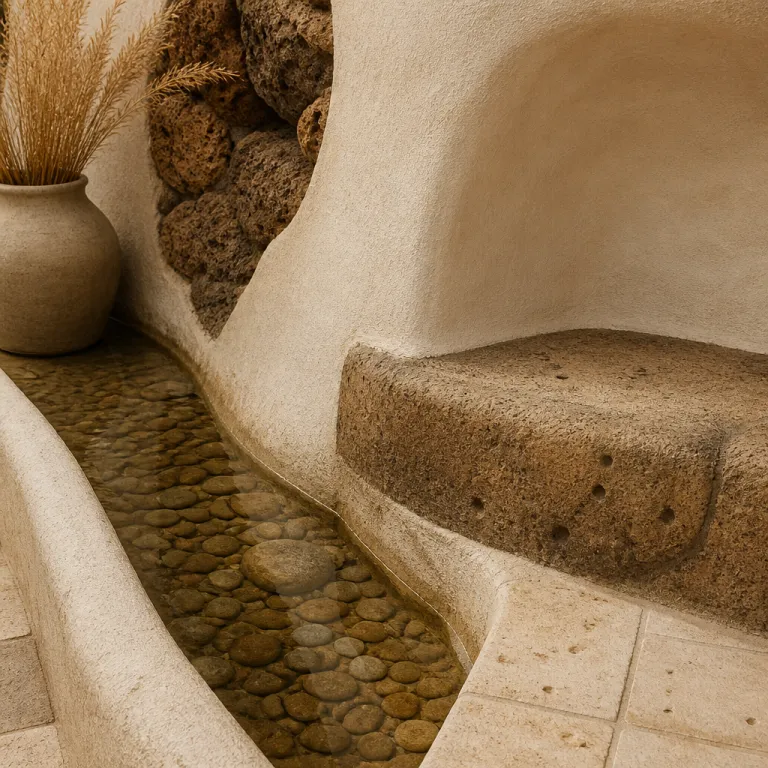
At Taro Tahiche, Manrique used volcanic rock walls, curved white volumes, and built in furniture to erase the line between art and daily life. The Fundacion César Manrique, sometimes shortened to Fundacion César or simply fundacion, demonstrates how architecture can frame volcanic landscape views like paintings while remaining practical for living. This same philosophy now guides many premium hotels on the island, where suites sink into the terrain, pools follow lava contours, and terraces open toward nature rather than the road.
For travelers choosing where to stay, visiting the Manrique Foundation before touring properties is quietly strategic. You start to read how each architect has interpreted the language of volcanic bubbles, patios, and light wells in their own way. Some hotels lean into bold art nature statements, while others take a softer approach, but the DNA of Lanzarote César is unmistakable once you have walked through those lava chambers.
Jameos del Agua, Mirador del Río and the art of invisible luxury
Jameos del Agua is the project that best explains why César Manrique Lanzarote architecture feels so contemporary to design led travelers. “What is Jameos del Agua? A volcanic cave transformed into a cultural center by Manrique.” The complex occupies a lava tube where a collapsed roof created natural jameos, or openings, and Manrique turned these into a sequence of theatrical spaces.
Here, volcanic rock, water, and light become the main materials, with architecture almost dissolving into the cave. The concert hall, restaurant, and pools show how an artist architect can choreograph a tourist route without overwhelming the natural setting. When you later walk into a restrained hotel lobby that uses the same palette of white, basalt, and reflected water, you immediately sense the lineage back to Jameos del Agua and the wider fundacion ethos.
Far to the north, Mirador del Río hides within the cliff above the strait of El Río, proving that luxury can mean silence and a perfectly framed horizon. The mirador del Río complex is carved into the volcanic landscape, with curved windows that feel almost submarine as they overlook the island of La Graciosa. Many high end properties now borrow this idea of invisible architecture, sinking suites into slopes or tucking spas behind stone walls so that the canary islands skyline, not the building, becomes the main event.
From Jardín de Cactus to Finca hotels: staying inside the landscape
In the northeast, the cactus garden at Guatiza Lanzarote shows another side of César Manrique Lanzarote architecture. Built in a former volcanic rock quarry, the Jardín de Cactus layers terraces of spines and spheres against black ash, turning a scarred site into one of the island’s most photogenic places. The project, often linked with the nearby Casa Museo and the agricultural complex at Monumento al Campesino, or del Campesino, celebrates how art and agriculture can share the same ground.
Monumento al Campesino, sometimes called Museo del Campesino or simply museo del campesino, anchors the island’s rural identity with its white sculpture and low buildings. Here Manrique honored the campesino, the farmer who coaxed life from volcanic soil, and this respect for working landscapes now influences many rural hotels. Properties set among vineyards or cactus fields often echo the fundacion César vocabulary, with thick walls, shaded courtyards, and interiors that foreground local art and craft rather than imported glamour.
For a deeper dive into these art nature connections, plan a two or three day route that links Jameos del Agua, Mirador del Río, the cactus garden, and Timanfaya’s volcanic landscape with carefully chosen stays. Our guide to what to do in Lanzarote beyond the beach experiences for the curious traveler on stay-in-canary-islands.com maps these routes with hotel suggestions that respect Manrique’s principles. You move from coastal retreats shaped by lava flows to inland fincas where nature, architecture, and silence define the luxury, not just thread counts or pool size.
Planning a Manrique focused stay in the Canary Islands
Understanding how César Manrique shaped Lanzarote helps you choose where to sleep, not just what to see. “How did Manrique influence Lanzarote's architecture? By blending traditional styles with natural volcanic features.” That philosophy, born from a desire to preserve nature while promoting sustainable tourism, now underpins the island’s most interesting luxury and premium properties.
Start by mapping the key Manrique sites, including Fundación César Manrique at Taro Tahiche, Jameos del Agua, Mirador del Río, Jardín de Cactus, and the agricultural complex around Monumento al Campesino. Then layer in the volcanic landscape of Timanfaya National Park, the lava tube of Cueva de los Verdes, and coastal villages where low rise architecture still dominates. With around three million annual visitors to Manrique’s sites, according to the Lanzarote tourism board, booking well located hotels that embody this architecture nature dialogue is essential for a calm experience.
On stay-in-canary-islands.com, we prioritise hotels that treat the island as Manrique did, using volcanic rock, white planes, and restrained volumes to frame, not fight, the surroundings. In practical terms, that means seeking properties where architects have integrated pools into existing terraces, preserved sightlines to the ocean, and kept signage discreet, echoing the original goals of the Manrique Foundation. For the solo explorer, this approach turns every return to your room into a continuation of the day’s art and landscape encounters, rather than an escape from them.
FAQ
Who was César Manrique and why does he matter for travelers?
César Manrique was an artist and architect from Lanzarote who integrated art, architecture, and nature using volcanic rock, caves, and traditional forms. His work with local authorities helped prevent high rise development and billboards, giving the island its coherent low rise profile. For travelers, this means that much of Lanzarote’s luxury experience, from hotels to viewpoints, is shaped by his vision.
What is Jameos del Agua and how does it relate to hotel design?
Jameos del Agua is a volcanic cave and lava tube transformed by Manrique into a cultural center with pools, a concert hall, and dining spaces. The project shows how architecture can almost disappear, letting volcanic landscape, water, and light take the lead. Many contemporary hotels on the island borrow this palette and restraint, using similar materials and forms to create calm, immersive spaces.
How did Manrique influence Lanzarote’s tourism model?
Manrique advocated for low density, low rise development that respected the volcanic landscape and traditional villages. Working with the Manrique Foundation and public authorities, he pushed for strict planning rules and visual coherence across the island. This approach helped Lanzarote gain UNESCO Biosphere Reserve status and positioned it as a reference for sustainable tourism in the Canary Islands.
Which Manrique sites should I prioritise on a short trip?
On a two or three night stay, focus on Fundación César Manrique at Taro Tahiche, Jameos del Agua, Mirador del Río, Jardín de Cactus, and Monumento al Campesino. These sites give a clear sense of how he worked with volcanic bubbles, quarries, and cliffs to create architecture that feels inseparable from nature. Combine them with Timanfaya National Park and a carefully chosen design forward hotel to experience the full depth of his legacy.
Are Manrique’s ideas visible beyond Lanzarote in the Canary Islands?
While Manrique worked primarily on Lanzarote, his philosophy of integrating buildings with volcanic landscapes has influenced architects across the Canary Islands. On other islands you will find hotels and cultural centers that echo his use of white volumes, basalt, and framed views. For design conscious travelers, this creates a coherent thread between stays on different islands, even when the specific sites and landscapes change.
References
Lanzarote Tourism Board ; Fundación César Manrique ; UNESCO Biosphere Reserves Programme.