From GastroCanarias to the hotel table: a new canarian cuisine narrative
Canary Islands farm to table restaurants are reshaping how luxury travelers eat. Across each island, chefs are treating volcanic landscapes as a pantry and building menus that connect directly with local farmers and local wineries. This shift matters for anyone booking a premium hotel in the Canary Islands and expecting more than generic resort food.
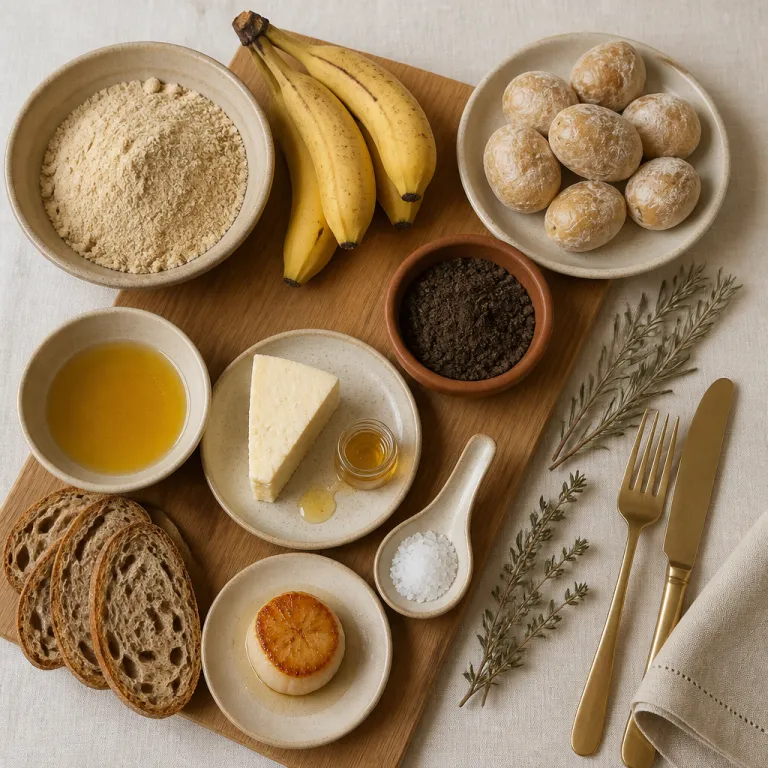
The recent GastroCanarias event in Gran Canaria placed the spotlight firmly on terroir driven cuisine, with the Gran Canaria stand built around gofio, Canary meats, cheeses, local fish, potatoes and Valsequillo corn to underline how local products define flavor. That same philosophy now guides many restaurants inside high end hotels, where a restaurant offers tasting menus that move from papas arrugadas with bright mojo sauce to contemporary dishes using tropical fruits grown within a few kilometres. As chef Alexis Álvarez noted during a 2023 GastroCanarias round table, “if it doesn’t tell the story of the island, it doesn’t go on the plate,” a remark quoted in the official event programme for that year. When you reserve a table at these restaurants, you are effectively reserving a seat at the intersection of agriculture, culture and design focused hospitality.
Farm to table dining is not a marketing slogan here; it is a culinary movement that has evolved since the early 2000s as chefs and local farmers embraced sustainable farming and traditional cooking techniques. According to the 2024 Guía Michelin España & Portugal, the Canary Islands now host around a dozen Michelin starred restaurants, including several with Green Star recognition for sustainability, a remarkable figure for an archipelago better known for beaches than for fine dining. As a guest choosing a luxury hotel, that number signals a mature scene where contemporary Canarian cooking can carry a business dinner as confidently as it anchors a long, slow holiday lunch.
Muxgo and las palmas: where Michelin stars meet volcanic soil
In Las Palmas de Gran Canaria, the restaurant Muxgo has become a reference point for Canary Islands farm to table restaurants. Holding both a Michelin star and a Green Star in the 2024 guide, this restaurant in Las Palmas shows how a serious commitment to local sourcing can sit comfortably inside an urban, design conscious hotel environment. For business leisure travelers staying in central Las Palmas districts near the historic quarter of Vegueta and Triana, it offers a dining experience that feels rooted in the island rather than imported from mainland Spain.
The tasting menu at this restaurant in Las Palmas leans into Canarian cuisine with precision, using gofio in modern preparations, local fish from waters off Gran Canaria and vegetables grown in volcanic soil on nearby farms. Producers such as Finca de Uga in Lanzarote and small growers in Valsequillo supply cheeses and seasonal vegetables that appear in carefully calibrated courses; a semi cured goat cheese from Finca de Uga, for example, might be paired with roasted figs and a reduction of local honey. Wines from several Canary denominations of origin are paired course by course, with mineral driven white wines and structured reds framing each plate of food. When you reserve table slots here, you are also reserving time to understand how volcanic terroir shapes both dishes and wines in a very direct way.
Not every restaurant in the capital can match Muxgo’s sourcing discipline, yet a growing cluster of dining rooms in Las Palmas now work closely with local producers and agricultural cooperatives. For travelers who want to go beyond hotel dining rooms, it is worth following the recommendations from chefs themselves and exploring independent addresses highlighted in this insider guide to where Canarian chefs send you to eat: off the record restaurant recommendations from local chefs. The result is a city where a week of meetings can be punctuated by serious dinners that never lose sight of the island’s Atlantic edge.
From cruz tejeda to santa cruz: hotel restaurants that cook the landscape
Move inland to Cruz Tejeda and the farm table story becomes even more literal. Here, high altitude hotels look over ravines where small plots of land produce potatoes, herbs and vegetables that appear hours later in their own restaurants. Guests who care about Canary Islands farm to table restaurants will notice how the cooler microclimate shapes both the food and the wines poured by the glass.
On Gran Canaria, properties such as Parador de Cruz de Tejeda and the Royal Hideaway Hotel Santa Catalina in Las Palmas de Gran Canaria have invested in regional cooking that respects traditional cuisine while embracing contemporary technique. At Santa Catalina, a Royal Hideaway Hotel, the restaurant offers refined versions of papas arrugadas with mojo sauce, local cheeses and slow cooked Canary meats, often served on an outdoor terrace that overlooks palm filled gardens. The wine list leans heavily on volcanic wines from Gran Canaria and other islands, creating a coherent narrative from first glass to final plate.
Across the water in Santa Cruz de Tenerife, hotel restaurants are equally focused on local products, from papas bonitas and avocados to line caught fish and artisan cheeses. Many of these restaurants in Santa Cruz now collaborate directly with local farmers, using sustainable farming networks to secure seasonal produce that reflects the island’s steep slopes and varied microclimates. For a deeper understanding of the pantry behind these menus, this guide to goat cheese, mojo and Malvasía wines is an essential briefing before you reserve table times at serious dining rooms: a canarian pantry primer for curious diners.
Poemas hermanos and the rise of hotel based fine dining
Within the luxury hotel landscape, Poemas by Hermanos Padrón at Santa Catalina, a Royal Hideaway Hotel, stands as one of the clearest expressions of Canary Islands farm to table restaurants. The restaurant Poemas Hermanos Padrón uses the hotel’s stature to champion local products, from Gran Canaria vegetables to Atlantic fish and island grown tropical fruits. For guests booking suites here, the dining experience is as central as the pool or the spa.
The menu at this restaurant in Gran Canaria moves confidently between traditional cuisine and contemporary tasting sequences, often reworking classics such as papas arrugadas, gofio based desserts and mojo sauce into sculpted plates. Volcanic wines from several Canary islands are poured alongside international references, yet the sommelier will usually guide you first toward local wines that echo the mineral notes of the food. This is where the often repeated definition becomes tangible at the table: “What is farm-to-table dining? A culinary approach emphasizing local sourcing,” a formulation echoed in many contemporary hospitality guides.
For business travelers hosting clients, Poemas Hermanos Padrón and similar restaurants inside high end hotels offer privacy, polished service and the reassurance of a kitchen that understands timing. Many of these restaurants feature an outdoor terrace for aperitifs, allowing guests to taste a glass of Canary white wine while the city softens below. If you are planning corporate events or incentive trips, pairing these dining rooms with properties that specialise in elegant hotels in Spain with event planning services can create a seamless programme; this overview is a useful starting point: elegant hotels in Spain with event planning services.
What farm to table really means on an island archipelago
For all the romance of volcanic soil and Atlantic breezes, Canary Islands farm to table restaurants operate within real world constraints. Supply chains on small islands are fragile, and not every ingredient can be sourced within sight of the kitchen or even within a single island. Honest hotel restaurants are transparent about this balance, highlighting local products where possible and importing only what the climate cannot provide.
Chefs across the Canary Islands work closely with local farmers, agricultural cooperatives and local wineries to secure seasonal produce, meats and wines that reflect each island’s character. The context is clear: rich volcanic soil enhances crop quality, but weather, terrain and limited arable land mean that some staples must still arrive from mainland Spain or beyond. The most credible restaurants explain which dishes are anchored in Canarian cuisine and which elements travel further, allowing guests to make informed choices when they reserve table slots for important dinners.
For travelers booking luxury hotels, the practical takeaway is simple yet powerful. Ask how the restaurant offers connect to local agriculture, which wines come from volcanic vineyards and whether the menu changes with the islands’ subtle seasons. Why is volcanic soil beneficial for farming? It provides rich minerals enhancing crop growth and can improve drainage, factors frequently cited by agronomists working with island vineyards and vegetable plots.
FAQ
What defines farm to table dining in the Canary Islands?
Farm to table dining in the Canary Islands means that restaurants, including those inside luxury hotels, prioritise ingredients grown or produced on the islands themselves. Chefs work directly with local farmers, fishers and wineries to build menus around seasonal availability rather than fixed recipes. While not every product can be local, the core of the cuisine reflects Canarian landscapes and volcanic terroir.
How should I choose a hotel if I care about canarian cuisine?
Look for hotels that highlight their partnerships with local producers and name specific farms, fisheries or wineries on their menus. Properties with restaurants such as Muxgo or Poemas Hermanos Padrón usually publish information about their sourcing philosophy and seasonal dishes. When in doubt, contact the hotel in advance and ask how often the menu changes and which ingredients are consistently local.
Do I need to reserve a table in advance at top hotel restaurants?
At leading Canary Islands farm to table restaurants, especially those with Michelin recognition or strong local reputations, advance reservations are strongly recommended. Hotel guests sometimes receive priority, but prime dinner slots can still fill quickly during conferences and holiday periods. Reserving a table before you travel ensures you can align key meals with meetings or excursions.
Are volcanic wines worth seeking out with local food?
Volcanic wines from the Canary Islands pair exceptionally well with Canarian cuisine because they share the same mineral rich origin as many ingredients. Whites made from varieties such as Malvasía and Listán Blanco often show saline, citrus driven profiles that complement seafood and papas arrugadas. Reds from Listán Negro and other local grapes bring structure and spice that work with slow cooked meats and aged island cheeses.
Can farm to table restaurants accommodate business dinners and dietary needs?
Most high end hotel restaurants in the Canary Islands are well equipped for business dinners, offering quiet tables, polished service and flexible pacing. Because chefs work closely with local products, they can usually adapt dishes to accommodate dietary restrictions if informed in advance. When you reserve table times, mention any requirements so the kitchen can plan within the limits of seasonal, island based sourcing.