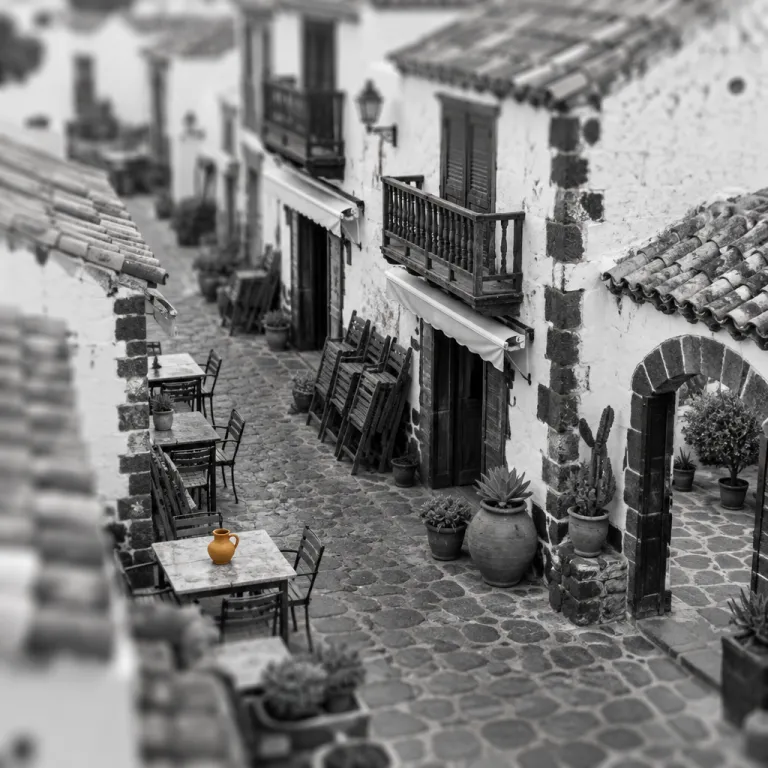
How to eat like a Canarian chef, not a hotel guest
Luxury travel in the Canary Islands now means leaving the hotel dining room. The islands’ most characterful places to eat rarely sit inside resorts; the real story of Canarian cuisine plays out in side streets, village squares and garages that never appear on standard concierge lists. When you plan your travel, think of each island as a layered pantry of volcanic landscapes, traditional food rituals and local wine rather than a chain of beachfront properties.
Across the archipelago, the restaurants that local chefs love are rarely the most photogenic ones. They are the places where traditional Canarian dishes are served without ceremony, where papas arrugadas arrive glistening with olive oil and con mojo in chipped bowls, and where a glass of white wine is poured from a plastic jug instead of a polished decanter. These dining rooms feel almost private, yet they welcome curious visitors who respect the rhythm of local life and understand that the island table is not a performance.
Chefs working in Michelin starred dining rooms in Tenerife, Gran Canaria and Lanzarote eat very differently on their days off. They chase specific Canarian dishes, from ropa vieja and carne cabra to caldo de pescado simmered with vieja canaria, and they care more about who raised the meat or grew the potatoes than about décor. At events such as the annual GastroCanarias fair in Santa Cruz de Tenerife, cooks repeatedly emphasise that the most meaningful meals happen in family run addresses, so when you use a luxury hotel booking website focused on the Canary Islands, look for guides that highlight these neighbourhood restaurants where regional cooking becomes a reason to choose one island over another.
Tenerife beyond the resort: guachinches, chefs and the north
Tenerife is where the search for the Canary Islands’ best local restaurants usually begins. In the green north of the island, guachinches hide behind unmarked doors and corrugated metal gates, serving homegrown wine and traditional Canarian food to neighbours who know exactly when each barrel is ready. A guachinche is a traditional Canarian eatery serving local dishes and wine, and these seasonal spaces are where you feel how deeply island cooking is tied to family vineyards and tiny plots of land.
Ask chefs from restaurants in Tenerife for their own favourites and they will send you into the hills above Santa Cruz and La Laguna. You might sit at an outdoor terrace with plastic chairs, eating papas arrugadas con mojo rojo and grilled meat while clouds roll in from the Atlantic, or share a plate of ropa vieja that tastes of slow cooked chickpeas and leftover carne cabra. One chef describes a regular stop in the Tacoronte area where the owner still writes the day’s three dishes on a cardboard sign, then walks the room topping up rough country wine from a jug as if everyone were family.
At the GastroCanarias fair in Santa Cruz, held each year at the Recinto Ferial, chefs such as Borja Marrero of MuXgo in Las Palmas, Rubén Cabrera from La Cúpula in Tenerife and Safe Cruz of Gofio in Madrid talk less about tasting menus and more about preserving traditional Canarian dishes. Their advice is simple: “Seek out guachinches for authentic meals.” “Explore inland villages for hidden gems.” “Engage with locals for recommendations.” If you are planning a multi island trip with a mix of refined stays and food led detours, pair Tenerife’s guachinche culture with a design forward apartment or boutique hotel in the capital so you can move easily between city restaurants and rural dining rooms.
Gran Canaria’s chef circuit: city neighbourhoods and mountain tables
Gran Canaria has become a favourite island for chefs who want an urban food scene alongside traditional bars. In Las Palmas, the historic neighbourhoods of Vegueta and Triana now mix old school taverns with contemporary dining rooms where Canarian dishes are reworked but never disrespected. Walk a few streets back from the cathedral and you will find a restaurant where caldo de pescado is served in deep bowls, followed by grilled vieja canaria and potatoes glossed with olive oil and bright green mojo.
Chefs like Borja Marrero, who runs the zero kilometre focused MuXgo inside the Hotel Catalina Plaza in Las Palmas, spend their days off in market adjacent restaurants that treat the island as a self contained pantry. They order meat stews like ropa vieja, plates of carne cabra slow braised with local wine, and papas arrugadas con mojo rojo that taste of smoke and sea salt, then finish with a glass of white wine from Gran Canaria’s high altitude vineyards. In the Mercado de Vegueta, for example, regulars point to stalls where farmers from the interior sell wrinkled potatoes and goat cheeses that later appear on menus only a few streets away, turning the city into a tasting map of the island.
Leave the capital and the island changes character quickly, with volcanic landscapes rising toward cave houses and terraced farms. In the interior, small restaurant dining rooms serve traditional Canarian food to hikers and farmers, often with a short menu of three or four dishes that change with the weather. If you want to understand why Canarian cuisine deserves the same attention as the Basque Country’s, read a detailed argument about why island cooking merits serious gastronomic focus before you book your Gran Canaria hotel, then use it as a checklist when you scan menus for local potatoes, goat cheeses and wines.
Lanzarote and beyond: Atlantic fish, lava fields and quiet dining rooms
Lanzarote offers a different expression of the Canary Islands’ local restaurant map. Here the volcanic landscapes are stark and almost lunar, and the best places to eat often sit at the edge of fishing villages rather than inside resorts. In Arrieta and Órzola, simple restaurant terraces face the Atlantic, serving vieja canaria grilled over coals, caldo de pescado thickened with bread and saffron, and potatoes boiled in seawater then served con mojo made with local olive oil.
Rubén Cuesta at Kamezí Deli & Bistro in Playa Blanca talks about using the island as a pantry, but his own days off often lead to these low key dining rooms. He orders Canarian dishes that respect the sea first, pairing them with white wine from the island’s lava carved vineyards in La Geria, and he values the way traditional recipes adapt to the daily catch. You will see families from across the Canary Islands here on weekend travel breaks, sharing plates of meat for those who want it and grilled fish for everyone else, while children run between tables on the outdoor terrace.
Further inland, Teguise’s Sunday market has become a reference point for chefs scouting producers, from goat cheese makers to growers of heritage potatoes used in papas arrugadas. Many of these ingredients later appear in small restaurant kitchens that never make it into hotel brochures, yet they define what Canarian cuisine means on this island. When you book a luxury stay on Lanzarote, choose properties that talk about their relationships with local restaurants rather than only their own menus, because that is a reliable sign of a hotel team that eats where residents eat.
How to use hotel bookings to unlock real Canarian food
For a luxury or premium traveler, the advantage of eating like a local in the Canary Islands starts before you land. When you browse a hotel booking website focused on the archipelago, read how each property talks about Canarian cuisine, local dishes and nearby restaurants, not just its own fine dining room. A serious island hotel will mention guachinches in Tenerife, market restaurants in Gran Canaria and fisherman run dining rooms on Lanzarote, because it understands that traditional food is part of the stay.
Use the concierge, but ask sharper questions than usual about where staff eat on their days off and which restaurant in Santa Cruz or Las Palmas serves the best papas arrugadas con mojo rojo. If the answer is a generic tourist restaurant, cross check with chef led guides and local food blogs that highlight Canarian dishes like ropa vieja, carne cabra and caldo de pescado, and then compare locations with your hotel map. A short taxi ride from a city hotel can take you to a family run restaurant where potatoes are served con mojo made with their own olive oil and where the wine list is simply red or white.
On each island, balance at least one Michelin starred experience with two or three meals in places that feel almost invisible to mainstream travel media. In Tenerife, that might mean pairing a tasting menu with a guachinche in the north; in Gran Canaria, combining a city restaurant in Triana with a mountain village dining room; in Lanzarote, alternating between a design forward resort and a fisherman’s bar on an outdoor terrace. This rhythm lets you enjoy the comfort of a luxury hotel while still eating like someone who lives on the island and understands why Canarian cuisine is the quiet engine of the archipelago.
FAQ
Are these chef recommended restaurants tourist friendly ?
These restaurants primarily serve locals, but they are generally welcoming to respectful visitors who accept local rhythms and simple service. Expect limited English in some inland areas, handwritten menus and straightforward wine choices rather than polished hospitality theatre. The reward is access to traditional Canarian dishes and regional cooking that rarely appears in tourist zones.
Do I need reservations for guachinches and small local restaurants ?
Reservations are advisable for city restaurants in Las Palmas, Santa Cruz and popular coastal villages, especially on weekends and holidays. Guachinches in Tenerife often operate more informally, but calling ahead or asking your hotel to check opening times can save a wasted journey. Many of these places are small, so arriving early for lunch is a smart strategy.
What is the typical price range for authentic Canarian food ?
In local restaurants away from the main resort strips, a generous meal of papas arrugadas, meat or fish and wine usually costs less than comparable dining in mainland Spanish cities. Michelin starred experiences and high end hotel restaurants in the Canary Islands are priced closer to Barcelona or Madrid, reflecting their ambition and sourcing. Combining both levels lets you experience Canarian cuisine from everyday plates to special occasion tasting menus.
Can I rely on my hotel concierge for the best local recommendations ?
Concierges in luxury properties are improving, but they often default to safe, tourist friendly restaurant options that suit a broad audience. For a truly insider experience, cross check concierge suggestions with chef interviews, local food media and word of mouth from residents. The most memorable meals usually happen in places that never appear on standard hotel lists.
Is it easy to find vegetarian or pescatarian options in traditional Canarian restaurants ?
Traditional Canarian food leans heavily on fish, potatoes and vegetables, so pescatarians will find plenty of options such as grilled vieja canaria, caldo de pescado and vegetable based stews. Strict vegetarians need to ask carefully about broths and cooking fats, but papas arrugadas, salads, grilled vegetables and cheese plates are widely available. In city neighbourhoods like Vegueta, Triana and central Santa Cruz, contemporary restaurants often offer more clearly labeled vegetarian dishes inspired by Canarian cuisine.