Canarian food specialties guide for luxury travelers
Before you book a suite overlooking any Canary Island, it helps to understand the pantry that shapes every serious guide to Canarian food. The archipelago’s cooking is rooted in volcanic soil, Atlantic winds, and a close relationship between small farmers, artisan producers, and coastal fishermen, which means the best hotel restaurants in the Canary Islands work with ingredients that rarely travel more than a few kilometres. When you read a menu in a refined dining room in Tenerife or Gran Canaria, you are really reading a map of the island itself.
Across the islands, from Santa Cruz de Tenerife to Las Palmas de Gran Canaria, luxury properties now build tasting menus around regional recipes rather than importing generic Mediterranean dishes. This shift matters for travelers used to large resort destinations, because here the focus is on typical Canary products like papas arrugadas, goat cheese, and fresh fish dressed with olive oil and mojo. A thoughtful Canarian food guide helps you recognise these plates so you can ask for them by name, whether you are in a rooftop bar in Santa Cruz or a quiet rural retreat on La Palma or El Hierro.
Producers and hoteliers work together to keep the pantry authentic, using traditional methods and local ingredients while presenting them with contemporary finesse. That is why Canarian goat cheese makers, mojo sauce artisans, and Malvasía wine vineyards are now mentioned on serious wine lists and room service menus across the islands. When you read full descriptions of tasting menus in high end hotels, look for these names and for references to canario traditions, because they signal kitchens that respect the island while still cooking for demanding guests.
Goat cheese, from breakfast buffet to wine pairing
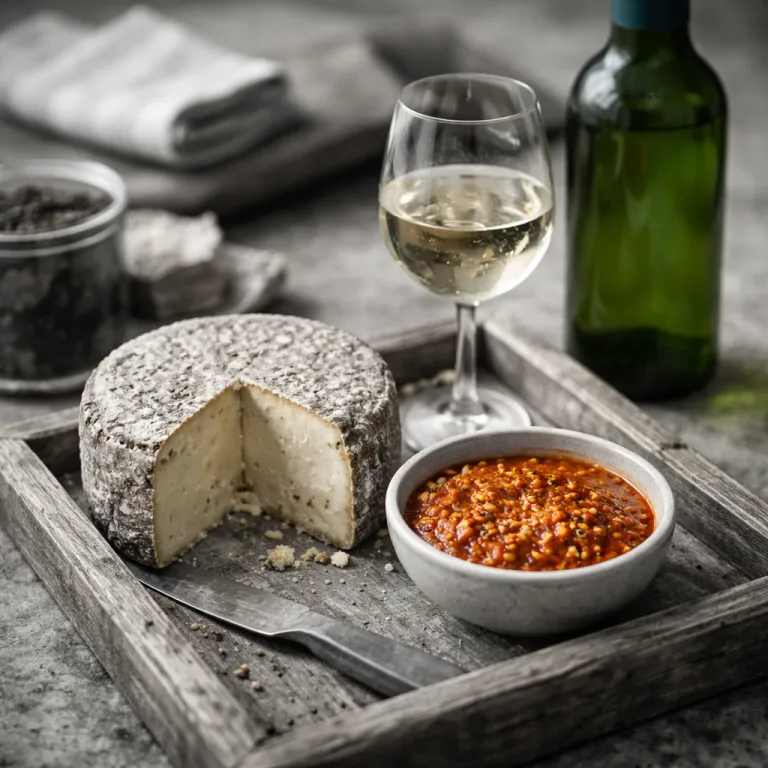
Canarian goat cheese is the quiet star of any credible regional food guide, and it appears everywhere from breakfast buffets to late night room service. On Tenerife and Gran Canaria, chefs lean on fresh local cheese for salads, grilled starters, and even desserts, while in more rural parts of the islands you will taste stronger, aged wheels that pair beautifully with white wine from volcanic vineyards. In luxury hotels that understand Canarian cuisine, the cheese trolley tells you more about the terroir than any marketing brochure.
Across the archipelago there are several recognised goat cheese varieties with PDO or PGI status, including Queso Majorero from Fuerteventura, Queso Palmero from La Palma, Queso Flor de Guía and Queso de Guía from Gran Canaria, and Queso Gomero from La Gomera, and top properties now list them by name. When you stay in Las Palmas or Santa Cruz, ask the sommelier to match these cheeses with Malvasía Volcánica from Lanzarote or Listán Negro based reds from Tenerife, because the combination of island cheese and island wine is one of the best ways to taste the landscape. In smaller luxury hotels on each island, you may even meet the producers during curated tastings that highlight how local food shapes daily life.
For couples planning a romantic stay, request a private cheese and wine pairing on your terrace, ideally timed for sunset over the Atlantic. A good concierge will source cheeses from different islands, including soft fresh curds, semi cured wheels, and intense aged pieces, then frame them with olive oil, local honey, and seasonal fruit. If you want to go deeper into the rural side of the Canary Islands experience, ask your hotel to arrange a visit to a farm near Las Palmas or in the hills above Santa Cruz, where you can see how artisan cheesemakers work with goats that graze on volcanic slopes.
What is Canarian goat cheese? A traditional cheese made from local goat milk, often matured in caves or stone dairies.
For travelers who like to plan around gastronomy, our guide to finding the Canary Islands last guachinches will help you move from polished hotel dining rooms to rustic spaces where cheese, gofio, and house wine define the menu. These guachinches are not about polished service, but they are essential if you want to understand how local dishes move from farm to table. Balancing a few such excursions with nights in refined hotel restaurants gives you the full spectrum of island cuisine.
Mojo, papas arrugadas, and the grammar of Canarian sauces
No Canarian food guide is complete without a deep look at mojo, the family of sauces that quietly structure almost every traditional dish. In luxury hotel dining rooms across the Canary Islands, you will see mojo rojo and mojo verde on tasting menus, but the best kitchens also play with textures, heat levels, and herbs to create their own signature versions. When you sit down to a plate of papas arrugadas, those wrinkled salt crusted potatoes, the mojo on the side is as important as the potatoes themselves.
Mojo rojo is typically built on garlic, local peppers, vinegar, and olive oil, while mojo verde leans on coriander or parsley, and both sauces appear with grilled fish, roasted meat, and even simple bread. In Santa Cruz and Las Palmas, chefs in high end hotels often serve a trio of mojos at the start of the meal, inviting you to read the nuances between smoky, sharp, and herb driven versions as you would compare different wines. This is where you feel the difference between a generic resort and a property in the Canary Islands that takes its pantry seriously.
Mojo is also a bridge between traditional recipes and contemporary plating, because it allows chefs to reference typical Canary flavours while working with modern techniques. Some properties in Tenerife and Gran Canaria now offer mojo workshops as part of their culinary experiences, where you grind garlic and spices in a mortar before sitting down to a lunch of papas arrugadas, grilled vieja canaria, and seasonal vegetables. How is mojo sauce used? As a dip, marinade, or sauce for various dishes.
To understand why these sauces matter so much, it helps to read a broader perspective on why Canarian cuisine deserves the same attention as the Basque Country. That context will sharpen your appreciation when a chef in Tenerife sends out a plate of sancocho canario with a precise spoonful of mojo verde on the side. Once you have tasted how these sauces interact with fish, potatoes, and grilled meats, you will probably want to bring jars of mojo back home as edible souvenirs.
Malvasía, listán negro, and volcanic wines in hotel cellars
Wine lists in serious Canary Island hotels now read like compact atlases of volcanic viticulture, and any guide to local food has to treat them as part of the pantry. Malvasía Volcánica from Lanzarote, grown in ash protected hollows, brings a saline, almost smoky character that pairs beautifully with seafood dishes and fresh goat cheese. On Tenerife, Listán Negro based reds and structured whites from high altitude vineyards give chefs the freedom to match local food with local wine from aperitif to dessert.
Malvasía wine production remains relatively small compared with mainland Spain, which is why you rarely see these bottles in supermarkets outside the islands. In luxury properties from Santa Cruz to Las Palmas, sommeliers now curate focused selections that highlight Malvasía, Listán Blanco, and emerging natural wines, often organising tastings that compare different islands in a single evening. What is Malvasía wine? A sweet wine made from Malvasía grapes, sometimes vinified dry with marked acidity and mineral notes.
For couples used to large all inclusive resorts, this attention to volcanic terroir can feel surprisingly intimate. Instead of anonymous international labels, you might drink a white wine from a tiny bodega whose owner also supplies the hotel kitchen with seasonal fruit and olive oil, creating a closed loop of local sourcing. When you read full descriptions of tasting menus that mention specific vineyards, you are seeing how deeply the Canary Islands now value their own products.
Many high end hotels will arrange private visits to vineyards, where you can walk between vines planted in black ash and taste Malvasía on site before returning to your suite. These excursions often include stops at beautiful places along the coast or in the hills, turning a simple tasting into a full day of island exploration. If you are planning an event or celebration, consider properties that combine strong wine programs with refined spaces, such as those highlighted in our guide to elegant hotels in Spain with event planning services, because they understand how to weave local wine into every part of the experience.
Gofio, tropical fruit, and what to bring home
Beyond cheese, mojo, and wine, a serious Canarian food guide has to address gofio, the roasted grain flour that predates European contact and still anchors many local dishes. In luxury hotels across the Canary Islands, you will see gofio folded into ice creams, sprinkled over yoghurt at breakfast, or served as a savoury mousse alongside fish and vegetables. This humble ingredient connects modern plates to centuries of canario history.
Breakfast buffets in Tenerife, Gran Canaria, and other islands often showcase tropical fruit that thrives in the mild Atlantic climate, including bananas, papaya, mango, and avocado. These fruits, combined with local honey, gofio, and sometimes a drizzle of olive oil, create simple dishes that feel both indulgent and rooted in place, especially when enjoyed on a terrace overlooking the ocean. Many couples remember these quiet breakfasts as much as any elaborate tasting menu, because they frame the island as a pantry rather than just a backdrop.
When it is time to leave, think like a chef stocking a small home larder and choose products that travel well. Jars of mojo, vacuum sealed goat cheese, packets of gofio, and bottles of Malvasía or other white wine are easy to pack, while sea salt from places like Janubio and carefully wrapped sweets extend the memory of the island’s cuisine long after your flight. Visit local markets in Santa Cruz or Las Palmas before heading to the airport, and ask stallholders which typical Canary products they would send to friends abroad, because their answers often lead to the best finds.
For travelers who want to read full background information before shopping, many hotels now provide concise guides in their rooms that explain how local food supports artisan producers and preserves traditional recipes. These guides echo the broader goal across the Canary Islands to educate visitors about regional cuisine and promote cultural appreciation through taste. Growing interest in traditional foods and increased tourism for culinary experiences mean that every thoughtful purchase you make helps sustain the producers behind your favourite dishes.
How hotels curate Canarian cuisine for discerning guests
Luxury and premium hotels across the Canary Islands now act as careful editors of the local pantry, turning any written guide into a lived experience. Executive chefs work closely with goat cheese producers, mojo sauce artisans, and Malvasía wine vineyards to design menus that highlight traditional flavours while meeting international expectations for refinement. Behind the scenes, partnerships with local farmers and artisan producers ensure that the food on your plate reflects the island rather than a generic idea of Spain.
Many properties structure their culinary programs around themed evenings that showcase specific dishes such as ropa vieja, sancocho canario, or grilled vieja canaria, always framed by papas arrugadas and a selection of mojos. In Tenerife and Gran Canaria, you will often find tasting menus that move from raw seafood to slow cooked meats, each course paired with island wines and anchored by ingredients like gofio, goat cheese, and seasonal vegetables. These experiences turn the islands’ cuisine into a narrative, guiding you through different microclimates and traditions without leaving the dining room.
For couples planning a stay, it is worth reading hotel restaurant descriptions as carefully as you read room categories. Look for mentions of local food, named producers, and specific Canary Island references such as Las Palmas, Santa Cruz, or smaller islands like La Gomera, because these details signal a genuine commitment to regional cooking. When a property offers market visits, cooking classes, or chef led tours of beautiful places connected to food production, you know that the pantry is not just a marketing line but a central part of the stay.
Hotels that take this approach also tend to respect sustainability, because working with local producers reduces transport and supports rural communities across the islands. As a guest, you benefit from fresher ingredients, more characterful dishes, and a deeper sense of connection to the Canary Islands beyond the beach. Over time, this alignment between hospitality and gastronomy is what will keep the archipelago competing not with mass market destinations, but with the most respected culinary regions of Spain.
FAQ
What is Canarian goat cheese and where can I try it in hotels ?
Canarian goat cheese is made from local goat milk and ranges from soft fresh styles to intensely aged wheels, often protected by regional designations. In luxury hotels across Tenerife, Gran Canaria, and other islands, you will find it on breakfast buffets, cheese boards, and tasting menus, usually paired with island wines. Ask the sommelier or maître d’ for a selection that includes both mild and stronger cheeses so you can compare different island profiles.
How is mojo served in high end hotel restaurants ?
In refined hotel dining rooms, mojo appears as a trio of sauces served with bread, papas arrugadas, grilled fish, or roasted meats. Chefs often prepare both mojo rojo and mojo verde, adjusting heat and herb levels to match specific dishes and wine pairings. Some properties even offer short workshops where guests can prepare their own mojo before sitting down to lunch.
What is Malvasía wine and why is it special in the Canary Islands ?
Malvasía in the Canary Islands is typically grown on volcanic soils, especially in Lanzarote, where vines are planted in ash filled hollows protected from the wind. This environment gives the wine a distinctive mineral and sometimes smoky character that pairs well with seafood and goat cheese. Many luxury hotels feature Malvasía on their wine lists and can arrange tastings that compare different producers.
Which Canarian products are easiest to bring home after a hotel stay ?
The most practical products to take home are vacuum sealed goat cheese, jars of mojo, packets of gofio, and bottles of Malvasía or other island wines. Sea salt, local honey, and some sweets also travel well if packed carefully. Before you buy, ask hotel staff or market vendors about any specific storage recommendations so the flavours remain intact during your journey.
How can I make sure my hotel stay highlights authentic Canarian cuisine ?
When choosing a property, read restaurant descriptions and look for explicit references to local producers, Canarian dishes, and island wines. Hotels that offer market visits, cooking classes, or guachinche excursions usually have a stronger commitment to authentic Canarian cuisine. Once on site, speak with the concierge or chef about tasting menus or special experiences built around the regional pantry.