Why canary islands kayaking sea caves coasteering belongs on a luxury family itinerary
Kayaking along the volcanic coast of the Canary Islands gives families an Atlantic experience that feels close yet reassuringly controlled. When you combine gentle paddling with guided coasteering routes and time inside a sea cave or two, the result is a day that balances adrenaline with safety and comfort. For premium travelers, the real luxury is returning from these activities to a calm suite, a heated pool and a terrace where the sea is still in view.
The main appeal of canary islands kayaking sea caves coasteering for families is access; you do not need a scuba certificate, only a basic level of fitness and a willingness to get wet. Licensed guides shape each activity around small groups, often with a clear meeting point on the south or west coast where the sea is calmer and the cliffs are more sheltered. Parents can choose a half-day tour that focuses on sea caves and low-level cliff jumping, or a longer route that adds rock-climbing sections along the coast and longer stretches of lava.
Because the archipelago enjoys a mild climate year-round, you can plan these activities outside the peak summer rush and still expect sea temperatures of around 19–24°C, according to long-term averages from Spain’s State Meteorological Agency (AEMET). Autumn in particular suits canary islands kayaking sea caves coasteering, with softer light on the sea cliffs and more space at the launch points. Luxury hotels in the south and southwest of islands like Gran Canaria and Tenerife understand this rhythm and will often coordinate transfers, packed lunches and late check-out so your adventure day does not feel rushed.

Gran Canaria’s south coast: sea caves, small groups and elegant bases
Gran Canaria is the island where canary islands kayaking sea caves coasteering becomes a natural extension of a luxury stay, especially along the south coast. Between Mogán and the more rugged western headlands, the cliffs fold into coves that shelter sea caves and arches, ideal terrain for a coasteering adventure in clear water. Families can book a small-group day tour that starts from a simple meeting point near the harbour, then follow a route that threads between sea cliffs, low jumps and calm channels.
On this part of the coast, Gran Canaria shows two faces: the resorts sit above, while the real drama happens at sea level where the lava meets the Atlantic. A local guide who speaks English and Spanish fluently will usually provide a wetsuit, helmet, buoyancy aid and clear safety briefing before anyone approaches a sea cave or cliff-jumping spot. Children often gain confidence quickly when they see that the activity is structured, with different heights and optional rock-climbing moves built into the route; many operators, such as Climbo Rock and Mojo Picón Aventura, set a minimum age of around eight to ten years for beginner circuits and require that children can swim at least 25 metres unaided.
For travelers who prefer a city base with easy access to the south, staying in Las Palmas can work well. An elegant oceanfront property such as the one reviewed in our guide to elegant stays at a Gran Canaria hotel in Las Palmas pairs rooftop pools and refined dining with quick highway access to the main activity hubs. From there, you can reach Mogán or the southwest in under an hour, spend quality time on the sea, then return to a room where the only cliffs are the ones you admire from your balcony.
Historic island stays and Atlantic routes beyond Gran Canaria
While Gran Canaria is a strong base for canary islands kayaking sea caves coasteering, the wider archipelago rewards travelers who spread their time across several islands. Tenerife’s south and southwest coasts offer similar coasteering routes along sea cliffs, with small groups exploring arches and sea caves carved into older lava flows. Lanzarote and La Graciosa add a different mood, where the coast feels more lunar and the sea often glows turquoise over pale sand and black rock.
Pairing these activities with characterful historic properties deepens the sense of place, especially for families who value atmosphere as much as amenities. Our feature on the Canary Islands’ historic hotels still worth the booking highlights grande dames where old stone, high ceilings and shaded courtyards contrast beautifully with a salty day on the coast. From such bases, a local guide can collect you at a convenient meeting point, drive to a quieter stretch of southern or western shoreline, then lead a coasteering adventure tailored to your family’s confidence level.
On La Palma and El Hierro, the focus shifts from long beaches to natural pools and short, intense sections of cliffs where the sea caves are fewer but often more dramatic. These islands suit families who prefer a slower pace and are happy to trade resort infrastructure for dark skies and quiet roads. For context on how a stay near newer volcanic landscapes feels over several years, our piece on staying near La Palma’s Tajogaite volcano explores what it means to sleep close to recent lava while spending the day in the sea.
Designing a family day on the water: routes, safety and timing
Planning canary islands kayaking sea caves coasteering for a family starts with choosing the right activity mix for your children’s ages. Younger guests often respond well to a half-day tour that combines gentle kayaking with short swims into a sea cave and optional low cliff jumping, always under the eye of a qualified local guide. Teenagers may prefer a more sustained coasteering adventure that adds simple rock-climbing traverses along the sea cliffs and a slightly longer route between entry and exit points.
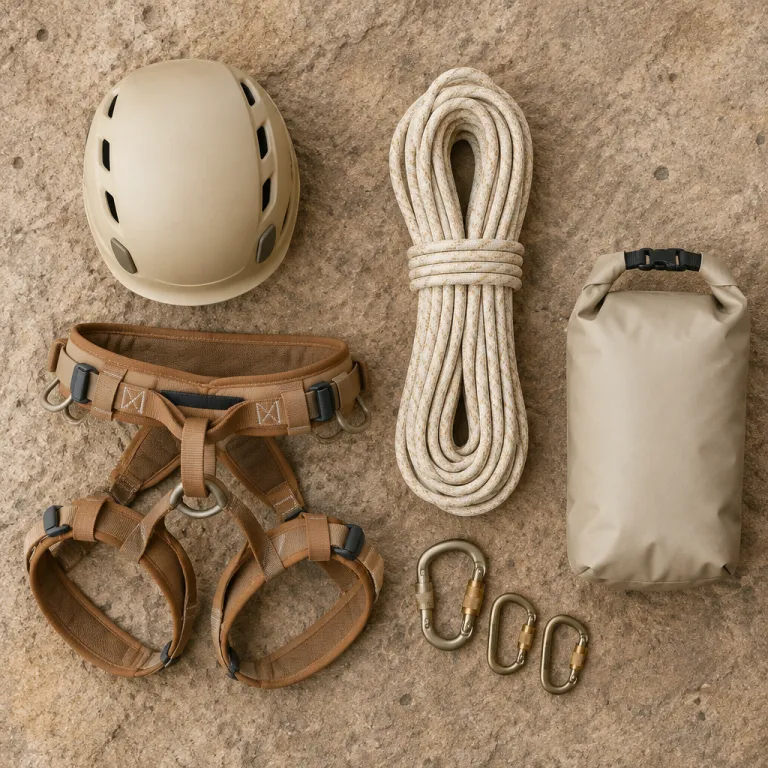
Reputable operators keep small groups or even a single small group per guide, which allows them to adjust the pace and difficulty in real time. Expect a full kit including a wetsuit, helmet, buoyancy aid and sometimes light gloves, because the volcanic rock on the coast can be sharp in places. Before entering the sea, guides usually run through signals in both English and Spanish, explain how to move on wet rock and outline clear rules for when a jump or swim is optional; typical family sessions last three to four hours including briefing and breaks.
Timing matters as much as equipment, especially for families who want a relaxed rhythm. Many luxury travelers choose a morning start, returning to their hotel by mid-afternoon for spa time or a late lunch overlooking the sea. Because the Canary Islands enjoy stable weather year-round, you can usually find a calm day somewhere on the south or west coast, but it is still wise to keep one flexible day in your itinerary in case the Atlantic feels too energetic.
Choosing the right luxury base for sea focused adventures
The most satisfying canary islands kayaking sea caves coasteering trips begin and end in a hotel that understands why you came. On Gran Canaria, that often means a property on the south coast or near Mogán, where the drive to the main activity hubs is short and the sea views are uninterrupted. In Tenerife, families might prefer the southwest, where upscale resorts sit close to launch points yet still feel insulated from the busiest strips.
When you evaluate properties, look beyond the pool and spa to how the hotel supports your time on the coast. Ask whether reception can coordinate transfers to the meeting point for your chosen coasteering adventure, whether early breakfasts are possible on activity days and if there is secure space to dry wetsuits after a long tour. Some hotels on the Canary Islands’ southern and western shores even maintain informal relationships with trusted local guides, which helps ensure that small groups remain genuinely small and that safety standards stay high.
For urban travelers who like to alternate culture with sea activities, a refined stay in Las Palmas or Santa Cruz pairs well with day trips to the south. You might spend one day exploring galleries and markets, then the next following a route along sea cliffs with a guide who has been working these shores for years. Over time, this balance between Atlantic adventure and polished hospitality is what will make your family remember the islands as more than just another place with sun and sand.
Respecting the marine environment and local culture
Luxury travel in the Canary Islands now carries an expectation of care, especially when your plans involve canary islands kayaking sea caves coasteering in fragile marine environments. The volcanic coast is resilient yet not invincible; repeated pressure on the same sea caves, ledges and entry points can damage both rock and marine life if groups grow too large. Choosing operators who limit numbers, follow local coastal regulations and brief guests on protected areas is part of traveling well.
Families can reinforce this by treating every coasteering adventure as a chance to learn, not just to tick off cliff-jumping heights. Encourage children to ask their local guide about currents, fish species and how the coastline has changed over the years, then carry that awareness back to the hotel when they rinse sand from their wetsuit, helmet and gear. Many guides working on the south and west coasts have spent a long time reading these sea cliffs, and their quiet observations—“the sea tells you when it’s had enough for the day,” as one instructor put it—often stay with you longer than the adrenaline spikes.
Respect also extends to the communities that host your activities, from Mogán’s harbour cafés to the small towns near Las Palmas where crews gather before a day on the sea. Spending time and money locally, learning a few phrases beyond English and Spanish basics and tipping fairly when service is strong all help ensure that the Canary Islands remain welcoming to visitors year-round. In the end, the way you move through these landscapes will shape how future travelers experience the same routes, the same sea caves and the same Atlantic light.
FAQ
Is coasteering in the Canary Islands suitable for children and non swimmers?
Coasteering in the Canary Islands can be suitable for children and cautious adults when you choose routes designed for beginners and non-swimmers. Licensed operators usually offer small groups, low-level jumps and plenty of options to walk around more demanding sections. Always check minimum age, required swimming ability and safety equipment before booking any activity.
Do I need previous kayaking experience for canary islands kayaking sea caves coasteering?
Previous kayaking experience is helpful but not essential for most family-focused tours. Guides typically start with a short briefing on paddling technique, safety and how to enter small sea caves safely. If you are nervous, choose a shorter day tour on the south or west coast where the sea is more sheltered.
What should I wear and bring for a coasteering adventure day?
Most operators provide a wetsuit, helmet, buoyancy aid and sometimes shoes, but you should confirm this in advance. Bring a swimsuit, towel, dry clothes, sunscreen, water and any personal medication you might need during the activity. Leave valuables at your hotel or in a secure vehicle, because space in waterproof bags is usually limited.
When is the best time of year for sea cave and cliff activities?
The Canary Islands offer sea-based activities year-round thanks to their mild climate and relatively stable sea temperatures. Many families prefer late spring and autumn, when the water is still warm but the main holiday crowds have thinned. Always check local sea conditions a day or two before your planned tour, as Atlantic swells can affect specific routes.
How do I choose a safe and responsible local guide or operator?
Look for operators who work with small groups, use certified guides and provide full safety equipment including a wetsuit, helmet and buoyancy aid. Responsible companies will brief you clearly, adapt the route to conditions and never pressure anyone into cliff jumping beyond their comfort level. Reading recent reviews and asking your hotel for recommendations can help you find a trusted local guide on your chosen island.