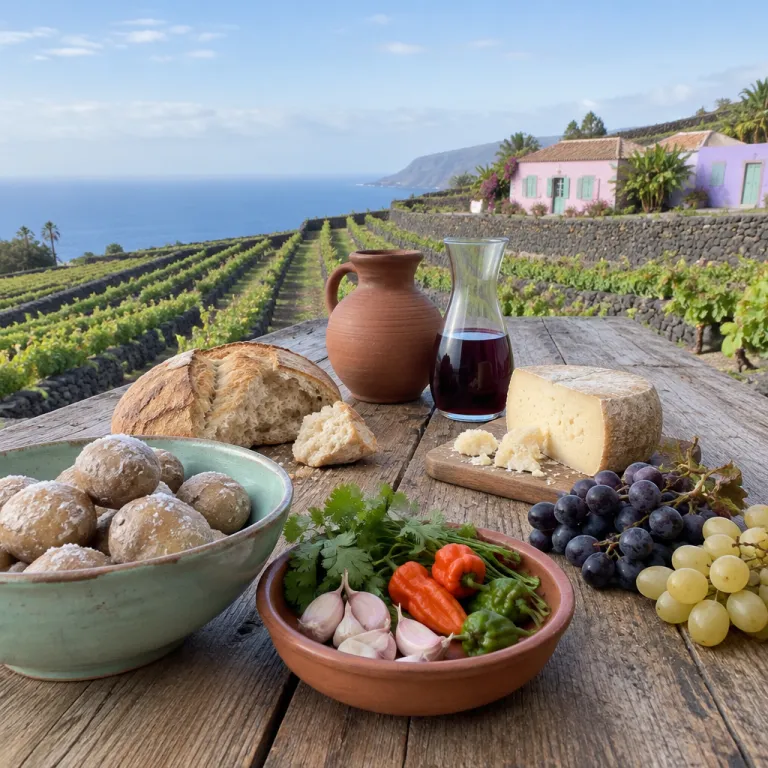
Why canary islands guachinche dining matters for luxury travelers
On a serious food focused trip to the Canary Islands, the real measure of intent is whether you leave the resort and step into traditional guachinche dining in the northern hills of Tenerife. This is where the island’s most authentic Canarian cuisine lives, poured and plated by local farmers who treat wine and food as a living tradition rather than a performance. For travelers used to tasting menus and polished service, a guachinche can feel raw, yet it delivers the best connection between local products, homegrown wine and the volcanic landscape.
A guachinche is a traditional Canarian eatery where local farmers open doors on their own land to serve homemade food alongside their own wine under an old agricultural exemption. These places are primarily located in Tenerife’s northern wine country, with well over one hundred guachinches Tenerife wide, many hidden between banana plantations and ravines rather than near the beaches. The concept began as informal tastings to sell surplus homegrown wine, then evolved into rustic dining rooms where food local to each valley still sets the tone of the day.
For a luxury or premium hotel guest, this kind of rustic Canary Islands wine tavern experience is not about affordable prices alone, although a full table rarely exceeds about fifteen euros per person for generous shared plates. It is about the experience of sitting under vines, watching views Teide glow at sunset while plates of wrinkled potatoes and grilled cheese arrive without ceremony. When you are travelling for depth rather than status, this mix of simplicity, Canarian food tradition and year round island climate becomes the perfect counterpoint to a high end suite.
Inside a guachinche: unwritten rules and seasonal rhythms
Walk into a serious guachinche on Tenerife and you will not be handed a menu, because these family run wine houses follow unwritten rules that favor what is ready over what is requested. The owner will recite three or four dishes, usually centred on carne fiesta, grilled meats, stews and potatoes mojo served with wrinkled potatoes, and you accept that this is the best expression of the island that day. There is no space for complaints, only for tasting how Canarian cuisine works when it is cooked for neighbors rather than tourists.
By law and tradition, a guachinche exists to sell its own homegrown wine, so every table starts with a chilled glass or a jug drawn directly from the barrel. The food is homemade food in the strictest sense, cooked in family kitchens using local products from the surrounding Canary Island farms, which means that guachinches dates and opening times can feel irregular. Some operate year round, while others open doors mainly between late autumn and early spring when the new wine is ready, then close again once the barrels are empty and the island returns to quieter routines.
Luxury travelers used to booking exact dinner slots need to adapt, because guachinches Tenerife wide rarely take reservations and often accept only cash. You might arrive at a simple guachinche casa in Santa Úrsula, find communal tables already full of local families, and wait with a glass of wine while the next batch of grilled cheese or carne fiesta hits the grill. This relaxed, almost stubborn rhythm is part of the experience, and it is what separates an authentic rural wine house from polished hotel restaurants that operate on strict timetables.
The heartland: from santa úrsula to the views of teide
The spiritual home of canary islands guachinche dining is the cool, green triangle between La Orotava, Tacoronte and La Laguna in northern Tenerife. Here the island rises from the Atlantic towards Mount Teide, and terraced vineyards share space with avocado trees, old farmhouses and narrow roads that seem designed for tractors rather than rental cars. This is where guachinches Tenerife style still feel most authentic, with many located down unsigned tracks that only local drivers and determined travelling food lovers ever reach.
One of the most emblematic stops often mentioned by local guides is Guachinche El Ramal, on Camino El Ramal 99 in Santa Úrsula, a hillside town that looks across the Orotava Valley towards the snow streaked cone of Teide. From many terraces you can enjoy wide views Teide while plates of grilled cheese drizzled with palm honey, carne fiesta and potatoes mojo arrive in quick succession, each dish rooted in Canarian food tradition. The setting is rarely polished, yet the combination of homegrown wine, food local to the valley and the island’s dramatic light feels quietly luxurious.
Staying in a premium hotel on the coast, you might spend the day between pools and black sand beaches, then head uphill in the late afternoon for dinner. That contrast between refined resort service and the rough charm of a guachinche is where Tenerife offer its most complete experience, especially for solo travelers who want both comfort and authenticity. When you return to your room after a night of canary islands guachinche dining, the island’s volcanic geography and Canarian cuisine will feel far less abstract and far more personal.
From rustic tables to refined hotel dining rooms
For a luxury traveler, the real interest lies in how canary islands guachinche dining feeds into the island’s higher end gastronomy, rather than standing apart from it. Many of Tenerife’s most ambitious chefs grew up eating homemade food in guachinches, and they now reinterpret carne fiesta, wrinkled potatoes and grilled cheese in tasting menus that still respect Canarian tradition. The result is a circuit where you can eat in a guachinche one day, then recognize the same local products transformed in a hotel restaurant the next.
Traditional Canarian gastronomy now includes projects that revive near forgotten recipes in restored farmhouses, often served outdoors in courtyards that echo the original guachinche model. These spaces may not operate under the same agricultural exemption, yet they share the same commitment to food local to the island, homegrown wine or carefully selected bottles from nearby vineyards, and seasonal menus that change year round. For travelers booking premium stays, this means you can ask your concierge not only for the best beaches, but also for guachinches Tenerife recommendations that align with your comfort level.
On stay-in-canary-islands.com, we often compare this to choosing between an elegant holiday apartment in Ibiza and a full service hotel, as explored in our guide to elegant Mediterranean apartments. In Tenerife and across the wider Canary Island group, the same logic applies to food, where guachinches, rural restaurants and hotel dining rooms form a spectrum of experiences. The perfect itinerary moves along that spectrum, using canary islands guachinche dining as the anchor that keeps every other meal honest, grounded and unmistakably Canarian.
Planning your guachinche route from a luxury base
Designing a trip that blends five star comfort with canary islands guachinche dining requires a little strategy, but the rewards are significant. Start by choosing a hotel located on the north coast of Tenerife, within easy driving distance of La Orotava, Tacoronte, La Laguna and Santa Úrsula, rather than focusing only on southern beaches. From there you can plan one or two guachinches Tenerife outings on quieter days, leaving space to enjoy the pool, spa and views Teide from your room.
Because guachinches dates and opening times can shift, rely on local advice rather than static lists, and always check whether a place is open doors before you drive up the hill. Word of mouth, local social media groups and hotel staff who actually eat in these places are more reliable than generic guides, especially if you want the best balance between authentic atmosphere and comfort. Remember the basics from the local tourism data set : "Check opening hours; some operate seasonally.", "Bring cash; not all accept cards.", "Be prepared for communal seating."
Across the Canary Islands, and especially on Tenerife, this approach turns eating into a thread that connects your whole stay, from the first glass of wine in a guachinche to the last dessert in a hotel restaurant. You will taste how Canarian cuisine uses local products, from goat cheeses to potatoes mojo, to express each island’s character in both humble and refined settings. For a solo explorer, that is the perfect definition of luxury : the freedom to move between worlds in a single day, guided by food, tradition and the quiet confidence that you are finally taking the island seriously.
FAQ about canary islands guachinche dining
What is a guachinche and how is it different from a restaurant ?
A guachinche is a traditional Canarian eatery where local farmers serve homemade food and their own homegrown wine under an agricultural exemption. Unlike standard restaurants, guachinches usually have very short menus, operate seasonally and focus on selling their wine rather than offering extensive services. The atmosphere is rustic, communal and deeply tied to Canarian food tradition.
Where are guachinches located in the Canary Islands ?
Most guachinches are located in northern Tenerife, especially around La Orotava, Tacoronte, La Laguna and Santa Úrsula. A few similar spots exist on other islands in the Canary Islands group, but the heartland remains Tenerife’s wine growing slopes. When planning canary islands guachinche dining from a hotel, choose a base that allows easy access to these northern valleys.
What should I order in a guachinche for an authentic experience ?
Typical dishes include papas arrugadas, also known as wrinkled potatoes, served with red and green mojo sauces, along with carne fiesta, grilled meats, stews and grilled cheese. Menus are usually spoken rather than printed, so you simply choose from what is available that day. Pair everything with the house wine, which is normally produced on the same property.
Do guachinches accept credit cards and take reservations ?
Many guachinches prefer cash and do not accept credit cards, so it is wise to bring enough euros for your group. Reservations are uncommon, especially in smaller family run places, although some larger venues may hold tables for local regulars. If you are staying in a luxury hotel, ask the concierge to call ahead and check both opening hours and payment options.
Are guachinches suitable for solo travelers staying in luxury hotels ?
Guachinches are very suitable for solo travelers, because communal tables and relaxed service make it easy to blend in without feeling conspicuous. If you are based in a premium property, you can visit a guachinche for lunch or an early evening meal, then return to the comfort of your hotel for the night. This balance lets you enjoy authentic canary islands guachinche dining while keeping the level of comfort and privacy you expect from a high end stay.