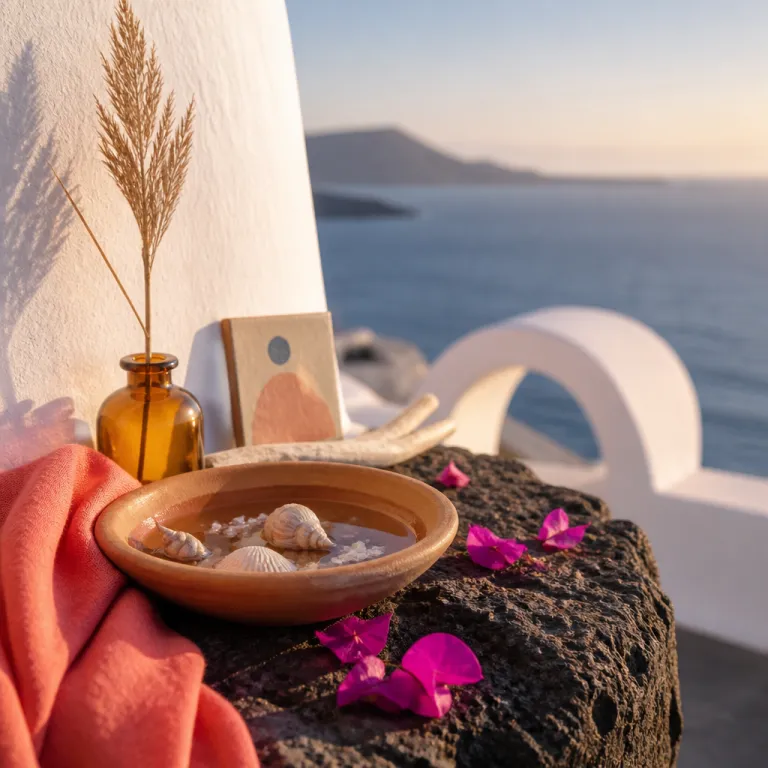
Where eco luxury meets the Lanzarote Atlantic Ocean
Lanzarote sits in the Atlantic Ocean as the most quietly radical of the Canary Islands. This island pairs five star comfort with strict environmental rules that shape every new luxury project in the archipelago. Many premium hotels now use the surrounding sea, volcanic lava landscapes and marine life as the core of their design story.
On Lanzarote, the average temperature stays mild year round, which allows eco friendly resorts to operate pools and terraces with minimal heating or cooling. The nearby Atlantic remains relatively stable too, so architects can orient suites toward the sea without extreme glazing or shading systems. For travellers choosing between islands, this balance of climate and conservation makes Lanzarote a refined base for slow, sustainable stays.
High end properties near Playa Blanca and Costa Teguise increasingly follow the aesthetic principles of César Manrique, who insisted that buildings should sit low, white and respectful against the volcanic terrain. You will notice that many luxury suites frame views of Timanfaya National Park, the Salinas de Janubio salt pans or the open Atlantic Ocean instead of oversized screens or gadgets. As one local architect explained during a hotel opening, “the real luxury here is space for the elements: water, wind, lava and light.”
Timanfaya, lava landscapes and low impact hotel design
Timanfaya National Park defines the interior of Lanzarote with vast fields of frozen lava. From the air, as you land at Lanzarote Airport, you see how the volcanic area shapes every road, village and resort on the island. Luxury hoteliers who work here must design around this geology rather than against it.
Many premium properties now offer guided excursions into Timanfaya, often in partnership with local rangers who know the national park intimately. Guests can walk near the Montañas del Fuego, feel the heat just below the surface and then return to suites built with thick lava stone walls that regulate temperature naturally. One ranger described it simply: “you sleep in comfort, but the volcano is always under your feet.” For a deeper look at staying beside an active volcanic landscape, the guide on Timanfaya and beyond explains how hotels integrate geothermal history into refined service.
Using volcanic rock reduces the need for imported materials across the Canary Islands, which lowers transport emissions over many kilometres of shipping routes. On Lanzarote this approach also honours the legacy of César Manrique, whose work at Mirador del Río and Jameos del Agua proved that architecture can disappear into lava cliffs. When you choose a luxury hotel that follows these principles, you help protect both the island and the wider Atlantic Ocean environment.
Playa Blanca, Museo Atlántico and ocean friendly stays
Playa Blanca on the southern coast has become the main hub for upscale resorts facing the Lanzarote Atlantic Ocean. The town stretches along calm water where the average water temperature invites swimming for much of the year. Many suites here look directly across the sea towards Fuerteventura, creating a natural link in the Lanzarote–Fuerteventura island pair.
Just offshore from Playa Blanca lies Museo Atlántico, the first underwater art museum in Europe. Official information from the managing foundation describes it clearly: “What is Museo Atlántico? An underwater museum with over 300 sculptures by Jason deCaires Taylor. Where is Museo Atlántico located? Near Playa Blanca, Lanzarote, Spain, at a depth of 12 meters. How can I visit Museo Atlántico? By booking a guided dive tour through local diving centers.” Luxury hotels in this area often arrange private or small group dives so guests can experience how the sculptures now host growing marine life.
Eco minded travellers who prefer serviced apartments can look at refined options such as those highlighted in the review of eco minded apartment living in Puerto del Carmen. Properties that support Museo Atlántico and similar projects usually invest in water saving systems, careful control of pool water temperatures and partnerships with local diving centres. When you book, ask how the hotel manages grey water, protects the sea and supports conservation in the surrounding area.
Atlantic Ocean climate, water temperatures and the luxury of comfort
The climate of Lanzarote is one of the main reasons luxury travellers choose this Canary Island over other islands. The average temperature on land stays around the low twenties Celsius, with only gentle shifts between January and July. This stability means that high end resorts can keep terraces, rooftop pools and open air lounges comfortable year round without heavy energy use.
In the surrounding Atlantic Ocean, long term records from the Spanish State Meteorological Agency and regional oceanographic institutes indicate that average sea surface temperatures usually range from about 18°C in winter to around 23°C in late summer. These water temperatures feel refreshing rather than cold, especially on sheltered beaches near Playa Blanca or in coves along Lanzarote’s east coast. For guests, that translates into more time in the sea, more chances to swim with local marine life and less reliance on heated pools.
Luxury properties now publish both air and water temperature data on their booking pages, which helps you plan activities by time of day and time of year. Morning swims in the sea, late afternoon walks along the lava cliffs and evening drinks on wind protected terraces become part of a gentle daily rhythm. When comparing hotels across the Canary Islands, look for those that use shading, natural ventilation and orientation to the ocean rather than constant air conditioning.
From César Manrique to Cueva de los Verdes: culture shaping eco stays
César Manrique changed Lanzarote from a simple holiday island into a design led Canary Island that treats landscape as art. His projects at Mirador del Río, Jameos del Agua and the restored farmhouses inland set a template that many luxury hotels now follow. Low white buildings, dark lava stone and framed views of the sea define this restrained style.
When you visit Cueva de los Verdes or the nearby lava tunnels, you see how the island’s volcanic history runs beneath almost every resort area. The route through Cueva de los Verdes reveals layers of cooled lava that once flowed towards the Atlantic Ocean, shaping cliffs and hidden coves. Hotels that reference these forms in their interiors, using curved walls and natural textures, feel rooted in Lanzarote rather than imported from other islands.
Several high end properties organise private tours that combine Mirador del Río, Salinas de Janubio and the Timanfaya area in a single day. This circuit shows how salt pans, national park landscapes and the open sea connect across only a few dozen kilometres. Choosing such experiences over generic excursions supports local guides and deepens your understanding of how art, geology and the ocean meet on this island.
Planning an eco friendly luxury stay between sea and lava
Thoughtful planning turns a simple holiday into a low impact, high comfort stay on Lanzarote. Start by choosing flight times that connect smoothly with local transfers from Lanzarote Airport, reducing unnecessary road time around the island. Many premium hotels now offer shared electric transfers, which cut emissions while still feeling suitably private.
When comparing properties across the Canary Islands, pay attention to how each hotel manages water and energy rather than only room size. Ask whether they monitor water temperature in pools to avoid overheating, whether they use desalinated water efficiently and how they treat grey water before it returns to the sea. Some of the most advanced resorts publish annual sustainability reports that detail energy use per guest night and specific marine life protection measures.
To broaden your understanding of sustainable stays beyond Lanzarote, you can read about quieter islands such as El Hierro in this guide to the Canary Island that serious travellers visit last. Comparing practices between islands helps you choose hotels that treat the Atlantic Ocean as a shared resource, not just a backdrop. Over time, consistent guest demand for eco conscious luxury will shape how new resorts are built across every Canary Island.
Key figures on eco luxury, Lanzarote and the Atlantic Ocean
- Museo Atlántico features over 300 sculptures on the sea floor, creating one of the largest permanent underwater art installations in Europe and a significant artificial reef for local marine life (Museo Atlántico official data and statements by artist Jason deCaires Taylor).
- The museum sits at a depth of about 12 metres near Playa Blanca, which allows certified recreational divers to visit comfortably while still receiving enough light for coral and algae growth on the sculptures (figures reported by local dive operators and the managing foundation).
- Lanzarote lies roughly 125 kilometres off the northwest African coast, a position that gives the island its stable year round temperatures and moderates both air and water temperature through constant Atlantic Ocean trade winds (distance based on Instituto Geográfico Nacional mapping data).
- Timanfaya National Park protects around 51 square kilometres of volcanic terrain, preserving extensive lava fields that influence hotel architecture and limit overdevelopment in the central area of the island (surface area reported by Spain’s National Parks Network).
- Average sea surface water temperatures around Lanzarote typically vary by only a few degrees across the year, from the high teens to the low twenties Celsius, which supports consistent diving, swimming and marine excursions for luxury travellers in every season (ranges compiled from AEMET and Puertos del Estado oceanographic records).
FAQ about eco friendly luxury stays in Lanzarote
Is Lanzarote suitable for year round luxury travel?
Yes, Lanzarote is a year round destination thanks to its stable Atlantic Ocean climate and mild average temperature. High end resorts operate continuously, with only small seasonal changes in rates and occupancy. The consistent weather allows you to enjoy sea views, outdoor pools and volcanic excursions in every month.
How eco friendly are luxury hotels in Playa Blanca?
Many luxury hotels in Playa Blanca follow strict island planning rules inspired by César Manrique, which limit building height and visual impact. A growing number also invest in water saving systems, renewable energy and partnerships with projects such as Museo Atlántico. When booking, ask for details on their energy mix, water treatment and marine life protection policies.
Do I need a diving certification to visit Museo Atlántico?
To see the sculptures up close on the sea floor, you need at least an entry level diving certification from a recognised agency. Local diving centres near Playa Blanca offer both certification courses and guided dives to the museum. Non divers can sometimes join snorkelling trips above the site, but the full experience requires scuba training.
What is the best area of the island for eco luxury stays?
Playa Blanca, Puerto del Carmen and the quieter north near Mirador del Río all offer strong eco conscious options. In the south you stay close to calmer water and the Lanzarote–Fuerteventura ferry, while the north feels wilder with dramatic lava cliffs. Choose based on whether you prioritise beach access, volcanic landscapes or cultural sites such as Cueva de los Verdes.
How does Timanfaya National Park influence hotel design?
Timanfaya National Park showcases the raw volcanic character of Lanzarote, with vast lava fields and visible geothermal activity. Architects and hoteliers echo these forms using lava stone, earthy colours and low profiles that blend into the landscape. This approach keeps resorts visually discreet while reminding guests that the island’s comfort sits on top of powerful natural forces.