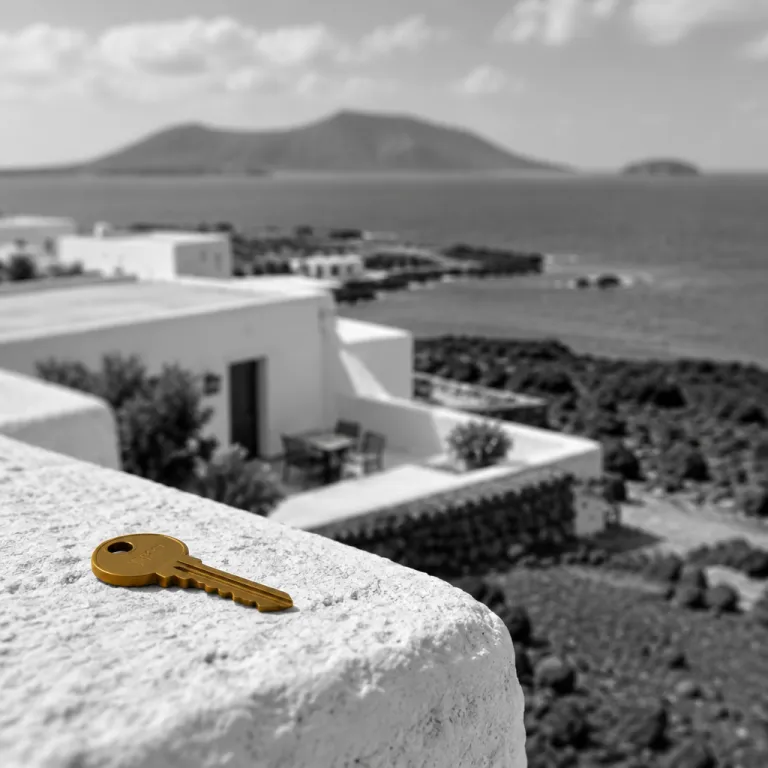
Graciosa for luxury travellers seeking quiet islands in europe
Graciosa offers two distinct faces for luxury travellers, one island in the Canary Islands and another island in the Azores. Both versions of Graciosa Island feel remote yet accessible, which makes them ideal for guests who want refined hotels away from crowded resort strips. On each island called Graciosa, the focus is on space, silence, and discreet service rather than ostentatious design.
La Graciosa lies just north of Lanzarote Island, within the Chinijo Archipelago Natural Park in the Canary Islands. This Canarian enclave has strict development rules, so premium stays lean toward intimate properties with sea-facing suites and private terraces overlooking the pale sand of Playa de las Conchas. Luxury here often means car-free streets in the main town of Caleta de Sebo, personalised boat transfers, and curated excursions along the volcanic coastline shared with nearby Lanzarote–Graciosa waters.
Far to the northwest, the other Graciosa belongs to the Azores island group in Portugal, Europe. This Graciosa in the Azores is a Portuguese volcanic island with green caldera slopes, vineyards, and thermal waters, which suits travellers who prefer nature-led wellness over nightlife. High-end stays on this Azores outpost often combine spa rituals using local geothermal heat with private tastings of Azorean wines, creating a different but equally luxurious alternative to a Canary beach escape.
Where to stay on La Graciosa near Lanzarote for elevated comfort
La Graciosa sits just across the strait from the northern tip of Lanzarote Island, and many luxury guests pair a stay on both islands. You reach this Canary hideaway by ferry from the port of Órzola on Lanzarote, then step into a slower rhythm where sandy streets replace asphalt and the main town smells of sea salt and grilled fish. The crossing between Lanzarote and La Graciosa usually takes around half an hour, which makes it easy to combine a five-star resort on Lanzarote with a quieter address on La Graciosa.
Most premium accommodation on La Graciosa clusters around Caleta de Sebo, the main town and harbour. Here, high-end apartments and villas line the waterfront, offering white facades, shaded patios, and direct views across to the volcanic cliffs of the Lanzarote–Graciosa strait. Guests often book private skippers for day trips to Playa de las Conchas, where the golden arc of Las Conchas Beach curves beneath Montaña Bermeja and feels far removed from the busier shores of the larger Canary Islands.
Food-focused travellers can use La Graciosa as a base while exploring the celebrated volcanic wines of Lanzarote Island. For deeper context on these vineyards and their Malvasía grapes grown in black ash, a useful resource is this guide to volcanic vintages and new wave winemakers in the Canary Islands. Combining tastings on Lanzarote with seafood dinners back in Caleta de Sebo’s seafront restaurants on La Graciosa creates a balanced itinerary that feels both indulgent and grounded in local terroir.
Graciosa Azores: volcanic calm and premium wellness in Portugal
On the other side of the Atlantic arc, Graciosa in the Azores offers a different expression of Graciosa Island luxury within Portugal, Europe. This island belongs to the Central Group of the Azores, and its volcanic landscapes shape both the scenery and the wellness experiences available to guests. Travellers who value thermal baths, quiet hiking, and heritage architecture often find that Graciosa in the Azores suits them better than a classic Canary beach stay.
High-end hotels and guesthouses on this Azores destination tend to occupy restored manor houses in the main town of Santa Cruz da Graciosa. Cobblestone streets, whitewashed churches, and basalt stone details give Santa Cruz a dignified atmosphere, while modern interiors bring in spa facilities, heated pools, and refined dining. From these bases, concierges can arrange guided visits to Furna do Enxofre, the vast lava cave known locally as Furna Enxofre, where a skylight opens above a subterranean lake and the air smells faintly of minerals.
Wellness-oriented guests often combine time in the Carapacho thermal baths with coastal walks to viewpoints such as Ponta da Barca lighthouse. Compared with La Graciosa near Lanzarote’s waters, this Azorean island feels greener and more introspective, which appeals to travellers seeking restorative stays rather than nightlife. For those comparing where to stay across the wider region, this overview of which Canary Island areas offer the most refined hotel stays helps position Graciosa Azores as a complementary stop within a longer Portugal and Canary Islands journey.
Key towns and coastal enclaves: from Caleta de Sebo to Santa Cruz
Understanding the main town options on each Graciosa Island helps you choose the right luxury base. On La Graciosa in the Canary Islands, Caleta de Sebo functions as the main town and harbour, while the smaller settlement of Pedro Barba offers a quieter alternative. Caleta de Sebo, sometimes written as Caleta Sebo or Caleta del Sebo, concentrates most services, including upscale apartments, yacht moorings, and waterfront restaurants.
Pedro Barba sits further along the coast and appeals to guests who want near-total seclusion on this Canary Island. Many premium villas here operate almost as private compounds, with direct access to the sea and uninterrupted views back to Lanzarote Island. Transfers between Pedro Barba and the main town are usually arranged by boat or 4x4, so it suits travellers comfortable with a more independent style of luxury.
On Graciosa Azores, Santa Cruz da Graciosa serves as the administrative and cultural heart of the island. This Santa Cruz is not to be confused with Santa Cruz de Tenerife, yet both towns share a maritime heritage and whitewashed architecture. Within Santa Cruz da Graciosa, sometimes affectionately called Cruz Graciosa by locals, you find elegant guesthouses near the church square, while coastal hamlets closer to Ponta da Barca lighthouse offer more rugged Atlantic views.
Designing a refined itinerary that links Canary Islands and Azores Graciosa
Many sophisticated travellers now design itineraries that include both versions of Graciosa Island within a single Portugal, Europe and Spain journey. One popular route begins on a larger Canary Island such as Tenerife or Gran Canaria, continues to Lanzarote Island for a resort stay, then adds several nights on La Graciosa for car-free calm. From there, guests often fly via mainland Portugal to reach the Azores group and finish with a wellness-focused stay on Graciosa Azores.
When planning, consider how each Graciosa complements the others in terms of experiences. La Graciosa excels at barefoot luxury, with days spent on playa coves like Playa de las Conchas and evenings in relaxed Caleta de Sebo restaurants, while Lanzarote–Graciosa combinations add art, wine, and more structured spa facilities. Graciosa Azores, by contrast, offers volcanic wellness at Carapacho, dramatic viewpoints near Ponta da Barca, and cultural walks through Santa Cruz, which together create a slower, more introspective finale.
Travellers who appreciate curated hotel collections often pair these islands with refined stays around Puerto de la Cruz on Tenerife. For inspiration on that side of the archipelago, this feature on luxury stays near Tenerife’s hidden gems in Puerto de la Cruz offers useful context. Linking Santa Cruz on Graciosa Azores, Puerto de la Cruz on Tenerife, and Caleta de Sebo on La Graciosa creates a triad of towns where premium hotels share a focus on authenticity, gastronomy, and discreet service.
Practical booking insights for premium stays on both Graciosa islands
Booking luxury accommodation on either Graciosa Island requires more forward planning than on larger Canary Islands or the main Azorean hubs. La Graciosa has a limited inventory of high-end rooms in Caleta de Sebo and Pedro Barba, and these often sell out quickly for peak summer and Easter periods. Flexible travellers who can visit in late spring or early autumn usually find better availability and more competitive rates for premium apartments overlooking the pale sand and volcanic coastline.
On Graciosa Azores, the number of upscale rooms in Santa Cruz and near Carapacho is also relatively small. Many properties are family-run, which enhances charm but means fewer last-minute options for guests who expect the breadth of choice found on a larger Azores destination like São Miguel. Booking platforms that specialise in Canary and Azorean islands can help you compare amenities such as spa facilities, heated pools, and private transfers between the main town and more remote coastal areas.
Eco-tourism is a growing theme on both versions of Graciosa, and many luxury properties now highlight their environmental credentials. Operators emphasise that “Increasing eco-tourism in both Graciosas”, “Protection of natural reserves”, “Restoration of traditional architecture on Azores Graciosa”, and “Concerns over beach pollution in La Graciosa”. For guests, this translates into stays where energy use is monitored, cleaning products are eco-friendly, and excursions to sites like Furna do Enxofre or Playa de las Conchas are designed to minimise impact while still feeling indulgent.
Key figures for luxury travel on Graciosa in Canary Islands and Azores
- Graciosa Azores covers about 60.66 km², which makes it larger than La Graciosa in the Canary Islands at roughly 27 km², so travellers experience a broader range of inland landscapes on the Portuguese island.
- The population of Graciosa Azores is around 4,091 residents, compared with approximately 730 residents on La Graciosa, which explains why the Azorean main town of Santa Cruz feels more established than Caleta de Sebo.
- The highest point on Graciosa Azores reaches about 405 metres at the Caldeira area, while La Graciosa’s Montaña Agujas Grandes rises to around 266 metres, giving the Azorean island slightly more dramatic elevation changes for hikers.
- Both islands sit within protected natural areas, with La Graciosa forming part of the Chinijo Archipelago Natural Park and Graciosa Azores recognised for its volcanic caldera, which shapes how luxury developments are carefully controlled.
FAQ about Graciosa for luxury and premium hotel bookings
What does the name Graciosa mean for travellers choosing these islands ?
The word Graciosa means graceful or enchanting in both Portuguese and Spanish, and this character is reflected in the calm pace of life on each Graciosa Island. For luxury travellers, the name signals destinations where scenery, architecture, and hospitality feel understated rather than flashy. Whether you stay on La Graciosa near Lanzarote or on Graciosa Azores in Portugal, Europe, you can expect an emphasis on natural beauty and relaxed elegance.
Are Graciosa Azores and La Graciosa in the Canary Islands the same place ?
They are not the same island, even though they share the name Graciosa. One belongs to the Canary Islands of Spain, just off Lanzarote Island, while the other sits in the Central Group of the Azores archipelago in Portugal. As one expert summary puts it, “Are Azores Graciosa and La Graciosa the same? No, they are distinct islands in different countries”.
How do I reach La Graciosa from Lanzarote for a luxury stay ?
To reach La Graciosa, you travel to the northern port of Órzola on Lanzarote Island and then take a passenger ferry across the strait. The crossing usually takes around half an hour, and many premium hotels or villas in Caleta de Sebo can arrange transfers from your resort on the Lanzarote–Graciosa route. Once you arrive, you step into a car-free environment where most movement happens on foot, by bicycle, or in authorised 4x4 taxis.
What are the main attractions on Graciosa Azores for upscale travellers ?
Graciosa Azores is best known for its volcanic caldera, the Furna do Enxofre lava cave, and the Carapacho thermal baths. Upscale guests often combine guided visits to Furna Enxofre with spa sessions that use geothermal waters, followed by wine tastings of Azorean varieties. Coastal viewpoints such as Ponta da Barca lighthouse and walks through Santa Cruz da Graciosa round out a stay that balances wellness, nature, and culture.
Is Graciosa suitable for families seeking premium yet relaxed holidays ?
Both versions of Graciosa Island work well for families who value space, safety, and nature-based activities. La Graciosa offers gentle playa coves, shallow waters near Caleta de Sebo, and boat trips along the volcanic coast shared with Lanzarote, while Graciosa Azores provides easy hikes, thermal pools, and calm streets in Santa Cruz. Parents should book early, because the limited number of larger suites and villas on these islands means peak dates fill quickly.