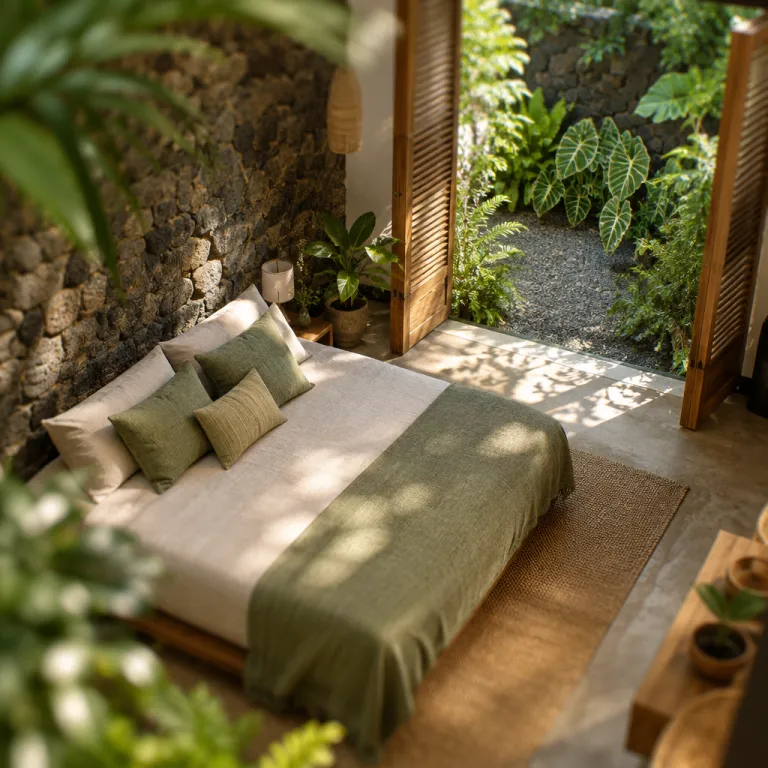
Why canary islands sleep tourism wellness hotels put rest first
Sleep tourism means travelling with one clear objective; you go to bed to heal. Instead of treating the bed as a side note to the spa, Canary Islands sleep-focused wellness hotels build the entire stay around darkness, silence and circadian rhythm. For a business traveller who lands exhausted and overstimulated, that shift in priority feels quietly radical.
Across each Canary Island, the most forward-thinking hotel teams now treat sleep as a core wellness treatment rather than a passive activity. Programs combining medical sleep science with hospitality are emerging, where Hospitales Universitarios San Roque advise on assessments while architects refine light, sound and air. This is where a wellness retreat stops being a vague promise and becomes a structured stay with measurable wellbeing outcomes.
The archipelago’s mild climate and year-round trade winds help the body settle well, especially when paired with blackout blinds and air purifiers. In the best Canary Islands sleep tourism wellness hotels, you will notice how corridors stay dim, how doors close softly and how the spa and relaxation areas are kept deliberately quiet. These details might not look dramatic in any photo gallery, yet guests often leave reviews saying they left feeling more rested than after longer holidays.
For executives extending a work trip, the appeal is obvious; you can land in Tenerife for meetings, then move to a rural hotel in the hills where the only scheduled activity is an early night. Instead of chasing every island on a frantic list of sights, you curate a short wellness retreat that gives you your nights back. Sleep tourism is not about doing more treatments, it is about doing less, well.
From spa break to sleep retreat ; what actually changes
A classic hotel spa stay in the Canary Islands usually revolves around massages, hydrotherapy pools and a long spa treatments menu. Sleep tourism keeps some of those treatments, but reframes them as tools to prepare the nervous system for deep rest rather than as standalone pleasures. The difference sounds subtle, yet it transforms how you book, how you eat and how you move through the hotel.
In Maspalomas on Gran Canaria, Salobre Hotel Resort & Serenity has gone further by launching the Tempo program with Hospitales Universitarios San Roque as a medical partner. Their collaboration is part of a broader sleep tourism initiative in the Canary Islands that aims to improve guest sleep quality via design and wellness programs, incorporate medical sleep assessments, and offer nature-led, tech-free rest environments. When you see a Canary Islands sleep tourism wellness hotels package referencing sleep assessments or circadian lighting, it usually signals this new generation of wellness retreats.
Nature-led retreats such as the off-grid El Elevador project on El Hierro take a different route, using silence, sea views and minimal technology as their main wellbeing tools. Here, the retreat is less about a glossy spa and more about a carefully restored island outpost of calm, where the only soundtrack is the Atlantic. Both approaches share one principle; they are designed so that guests are left feeling rested first, pampered second.
When you compare offers, look for a clear headline focus on sleep rather than a vague list of wellness buzzwords. A good sleep-focused wellness retreat will specify blackout features, quiet zones and guidance on limiting screens before bed. For curated options that blend family needs with rest, the summer wellness retreats worth booking guide is a useful starting point.
Rooms, light and silence ; how to find perfect sleep focused spaces
Choosing the right room matters more in sleep tourism than in any other type of stay. When you browse Canary Islands sleep tourism wellness hotels, go beyond the usual estrellas hotel rating and study how the room handles light, sound and air. A polished image may sell the pool, but your wellbeing will be shaped by the blackout curtains and the mattress.
Look for rooms where you can achieve near total darkness, ideally with layered blinds, heavy curtains and minimal standby lights from devices. Properties aligned with the sleep tourism initiative often mention blackout features, air purifiers and circadian lighting that shifts tone through the day to support melatonin production. If the hotel spa or wellness area is on a different level from the sleep floors, that separation usually signals a serious approach to rest.
Sound is the second pillar; ask for rooms away from lifts, bars and service corridors, and in a rural hotel setting if possible. On El Hierro or in the higher villages of Tenerife, the natural quiet at night can be profound, especially when paired with tech-free zones that encourage you to unplug. Some wellness retreats even design no-screen lounges, so that your last view before bed is the ocean or the caldera, not a laptop.
Business travellers who have already booked meetings in Santa Cruz de Tenerife or Las Palmas can still prioritise rest by adding one or two nights in a sleep-focused estrellas hotel nearby. When you read reviews, pay attention to comments about noise, blackout and bed comfort rather than only the food or the spa treatments. For more urban stays that still respect wellbeing, see our guide to Tenerife aparthotels with curated wellness packages.
Island by island ; where sleep tourism makes the most sense
Each Canary Island offers a different sleep profile, and matching your needs to the right island is part of the art. Tenerife works well for executives who need meetings by day and a wellness retreat in the hills by night, thanks to its mix of coastal business hubs and rural hotel options above 600 metres. Gran Canaria, by contrast, balances resort infrastructure with quieter inland valleys where Canary Islands sleep tourism wellness hotels can carve out real silence.
On Gran Canaria, the Salobre Golf area near Maspalomas has become a reference point for sleep-focused stays, with the Tempo program at Salobre Hotel Resort & Serenity often cited as the island’s first conscious sleep and holistic health retreat. The program’s collaboration with Hospitales Universitarios San Roque shows how medical institutions, architects and local wellness centers can jointly raise standards of hotel design. Guests who have tried these wellness retreats often report that they left feeling unexpectedly restored, even when they arrived straight from intense work weeks.
El Hierro plays a different role in the range of options; it is the island for those who want near total disconnection. The El Elevador retreat, set in a former water pumping station on a cliff, is booked by handwritten letter and focuses on silence, nature immersion and rest rather than a classic hotel spa. In this quiet corner of the archipelago, the night sky is dark enough that your last island image before sleep might be the Milky Way.
La Palma and La Gomera also lend themselves to rural hotel stays where walking, simple food and early nights define the rhythm. When you compare a coastal estrellas hotel with a highland rural hotel, ask yourself whether you want nightlife or non-negotiable quiet. Sleep tourism is not about the most famous island, it is about the island whose pace matches your nervous system.
Food, detox and weight loss ; setting realistic expectations
Many Canary Islands sleep tourism wellness hotels now weave nutrition into their programs, but the aim is usually gentle recalibration rather than extreme detox. Expect menus that prioritise fresh Atlantic fish, seasonal vegetables and good olive oil, with lighter evening food to support rest. The best wellness retreat kitchens understand that you may arrive from a long flight and will ease you into any changes.
Some wellness retreats advertise weight loss alongside sleep improvement, yet the most credible programs frame weight loss as a possible side effect of better rest and calmer hormones. When sleep improves, appetite regulation often follows, especially when combined with moderate movement and spa treatments that reduce stress. A thoughtful hotel spa team will talk about long-term wellbeing rather than promising dramatic short-term results.
Detox in this context usually means digital detox and nervous system reset rather than aggressive juice fasts. Nature-led retreats on El Hierro or in the rural hotel belts of Tenerife encourage long walks, early nights and limited screen time, which aligns with expert advice to limit screen time before bed. As one program summary puts it clearly; “What is sleep tourism? Travel where rest is main objective rather than side benefit” and “What to expect in a sleep-focused stay? Wellness guidance, silence, blackout, nature immersion, minimal tech”.
When you scan any list of Canary Islands sleep tourism wellness hotels, look for clarity rather than marketing noise. A good estrellas hotel will state how many nights they recommend for a reset, often around one week, and how the staff will support you between sessions. For family or multi-generational trips where rest still matters, our elegant guide to the best hotels for families in Lanzarote highlights properties that balance wellbeing with practical needs.
FAQ
What is sleep tourism in the Canary Islands ?
Sleep tourism in the Canary Islands refers to travel where rest is the primary goal, not a side benefit. Stays are designed around dark, quiet rooms, controlled lighting and structured routines that support deep sleep. Many Canary Islands sleep tourism wellness hotels now combine these design features with wellness guidance and, in some cases, medical sleep assessments.
Where in the Canary Islands can I try a sleep focused retreat ?
Two of the most cited examples are the Tempo program at Salobre Hotel Resort & Serenity in the Salobre Golf area of Gran Canaria and the off-grid El Elevador retreat on El Hierro. The former integrates medical input from Hospitales Universitarios San Roque, while the latter focuses on silence, nature immersion and tech-free rest. Other islands such as Tenerife and La Palma also host rural hotel options that quietly adopt similar principles.
How long should I stay to feel the benefits of a sleep retreat ?
Most specialists suggest a minimum of one week to reset your sleep rhythm effectively. Shorter stays of three or four nights can still help if you combine them with strict screen limits and consistent bedtimes. When you compare Canary Islands sleep tourism wellness hotels, check whether the program structure supports this duration rather than offering only weekend spa breaks.
What should I look for when booking a sleep oriented hotel ?
Focus on room design first; blackout curtains, quiet locations and good mattresses matter more than décor. Then check whether the hotel spa or wellness retreat offers guidance on routines, light exposure and digital detox, not just massages. Reviews that mention guests left feeling genuinely rested are often more telling than star ratings alone.
Is sleep tourism suitable for business travellers extending work trips ?
Sleep tourism fits business leisure travellers particularly well, because it helps counter jet lag and work stress without demanding intense activity. You can schedule meetings in city hubs like Las Palmas or Santa Cruz de Tenerife, then move to a nearby rural hotel or wellness retreat for structured rest. This approach turns a necessary work trip into an opportunity to restore long-neglected sleep health.