La Laguna Tenerife UNESCO city overnight stay: why it changes everything
La Laguna looks gentle by day, but it comes alive after dusk. When the tour buses roll back to the south of Tenerife, the UNESCO World Heritage streets shift from postcard pretty to quietly magnetic, and that is when an overnight in San Cristóbal de La Laguna starts to make real sense. Staying in the city rather than commuting from a coastal hotel lets you feel how a historic centre with hundreds of protected buildings breathes after the last day tour has gone.
San Cristóbal de La Laguna was the first non fortified colonial city planned on a grid, and its layout later inspired several colonial cities in Latin America. That pedigree is not a museum piece; it is the framework for an evening spent wandering between Renaissance façades, Baroque churches and Canarian houses with carved wooden balconies that glow in the lamplight. The historic center, or casco histórico, is compact and flat, so you will move easily on foot between your hotel, a wine bar on Calle San Agustín and a late dinner near Plaza del Adelantado.
Many visitors tick off La Laguna on a half day tour from a resort in Tenerife south, but they miss the city’s most atmospheric hours. After 18:00, students from the university mix with long time residents on their evening walking circuits, and the cafés around the center fill with conversations rather than excursion groups. If you choose to sleep in La Laguna instead of rushing back to the coast, you will see why locals describe the nightlife as a blend of historic ambiance with vibrant modern entertainment, a character that helped the city earn its UNESCO World Heritage inscription in 1999.
From airport to historic centre: how to arrive and where to sleep
Logistics are straightforward, which makes a La Laguna Tenerife UNESCO city overnight stay easy to fold into a wider Canary Islands itinerary. Tenerife North airport sits only about 4 kilometres from the city, so a short car ride or taxi will have you checking into your hotel in less than fifteen minutes in light traffic, or around twenty minutes at busier times. If you are landing at the south airport, expect roughly 45 to 60 minutes by car to reach San Cristóbal de La Laguna, with the motorway crossing the island’s spine and giving you a first sense of how different the north and south really feel.
For couples used to beachfront resorts, the scale of accommodation in Cristóbal Laguna is refreshingly intimate. Restored colonial houses around the historic centre offer high ceilings, inner patios and those signature wooden balconies that frame views of church towers and the distant Anaga mountains. Boutique options such as La Laguna Gran Hotel, Hotel Laguna Nivaria or the smaller MC San Agustín place you inside the old town, and rooms in these properties often face quiet courtyards rather than traffic, so you will sleep to the sound of church bells rather than late night bars, even though the city’s nightlife is only a short walking distance away.
Many travellers split their Tenerife stay between Costa Adeje and the north, and a night or two in La Laguna pairs well with an apartment base in the south such as the relaxed comfort described in this guide to Laguna Park in Adeje. That combination lets you enjoy the best of both worlds on the same island, with resort pools and beach clubs by day and a UNESCO heritage city by night. When you finally return to Tenerife south after your stay in La Laguna’s historic centre, the contrast in rhythm and architecture will feel striking.
Evening in the streets: walking, wooden balconies and quiet plazas
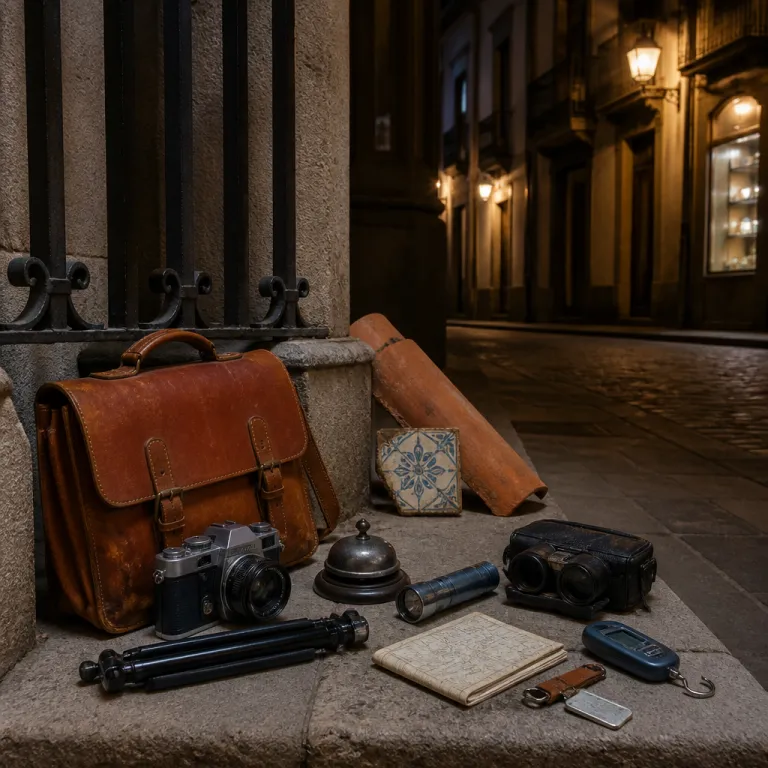
Once you have checked in, the real pleasure of a La Laguna Tenerife UNESCO city overnight stay begins on foot. The historic center is laid out like a chessboard, so you can design your own walking tour without ever feeling lost, moving from one plaza to the next under a canopy of stone arcades and timbered façades. Street lighting is gentle rather than harsh, which flatters the colonial architecture and makes the city feel safe and inviting late into the evening.
Start with a slow stroll along Calle San Agustín, one of the best preserved streets in San Cristóbal de La Laguna. Here, noble houses like Casa Lercaro show off their carved wooden balconies and heavy doors, while cultural centres host small exhibitions and occasional live music that spill into the night. Around Plaza del Adelantado and the nearby Iglesia de San Agustín, you will notice how the mix of students, families and visitors gives the city a lived in energy that most resort areas in Tenerife south simply cannot match.
From there, drift towards the cathedral of San Cristóbal and the surrounding grid of streets that form the historic centre, sometimes signed as the historic centre in English. Cafés and wine bars set out tables on the pavements, and you will often hear several languages at once, a reminder that this island city has always been a crossroads between Europe, Africa and the Americas. Walking back to your hotel after midnight, you will likely share the streets with La Laguna’s residents heading home, a small but telling difference from the more anonymous feel of larger Canary Islands cities.
La Laguna after 18:00: food, nightlife and local rhythm
Evenings in La Laguna are structured around food, conversation and culture rather than spectacle. From around 18:00, restaurants in the center begin to fill with locals meeting friends, and this is when staying overnight in La Laguna really pays off, because you can linger without watching the clock for a return bus to the south. Menus lean towards seasonal Canarian dishes, so expect papas arrugadas, grilled fish from the north coast and slow cooked meats paired with wines from nearby Tacoronte Acentejo.
Compared with the buffet lines of large hotels in Tenerife south, dining in Cristóbal Laguna feels personal and grounded. Many of the best tables are in small dining rooms inside colonial houses, where thick stone walls and interior patios keep temperatures comfortable even in the warmest months. Reserve ahead for popular spots in and around Calle San Agustín and the streets leading to Plaza del Cristo, especially if your La Laguna Tenerife UNESCO city overnight stay falls on a weekend or during a local festival, and look for well regarded addresses such as Restaurante El Jinete Sin Cabeza, Tasca La Topa or Bodegón Viana for a mix of traditional and creative plates.
Nightlife here is not about mega clubs but about bars, live music and cultural events spread across the city. Several local companies offer evening walking tours that combine history with tastings, and the official tourism office regularly publishes updated information on guided routes and cultural programmes. If you are curious about how other Canary Islands towns handle night celebrations, this guide to San Juan night in the Canary Islands shows how fire, sea and sleep can align, and La Laguna’s more understated evenings make an elegant counterpoint.
Using La Laguna as a base for Tenerife north and the coast
Staying overnight in La Laguna also makes strategic sense if you want to explore Tenerife north without changing hotels every day. From the city, it is a short drive by car to Puerto de la Cruz, the Orotava valley and the trailheads of Anaga Rural Park, so you can spend the day hiking or by the ocean and return to a cultured city in the evening. This balance between coastal excursions and urban nights is one of the strongest arguments for planning at least one La Laguna Tenerife UNESCO city overnight stay during a longer trip.
Puerto de la Cruz, about 30 minutes away in normal traffic, offers classic Atlantic promenades and volcanic beaches, while La Orotava showcases another of the island’s great colonial cities with its own wooden balconies and gardens. Using La Laguna as your base means you will avoid some of the traffic that builds up between Santa Cruz and the main resort strip in Tenerife south, especially at peak times. For a wider view of where to sleep across the island, the in depth guide to where to stay in Tenerife helps you compare Costa Adeje, Puerto de la Cruz and smaller northern towns.
Within the metropolitan area, tram and bus links connect La Laguna to Santa Cruz de Tenerife in around 40 minutes, so you can easily add a day in the capital’s museums and waterfront to your itinerary. The corridor between Santa Cruz and Cruz Laguna feels like a single urban fabric, yet the character of San Cristóbal de La Laguna remains distinct, more academic and more historic. Returning to your hotel in the evening, you will appreciate how the city’s scale and UNESCO heritage status keep it human and walkable.
Practical tips for an elegant overnight in San Cristóbal de La Laguna
Planning a La Laguna Tenerife UNESCO city overnight stay is mostly about timing and small details. Aim to arrive by mid afternoon, so you can check into your hotel, take a first walking loop through the historic centre and then settle into an early dinner before the main rush. Wear comfortable shoes, because the stone pavements and occasional cobbles in streets like Calle San Agustín can be hard on thin soles during a long evening.
Parking in and around the center is manageable if you arrive before local rush hours, and several underground car parks sit within a short walk of the main plazas. If you prefer not to drive, taxis from Tenerife North airport are reliable, and tram connections from Santa Cruz make it easy to visit Laguna without renting a car at all. Event calendars published by the city and local cultural centres are worth checking, because a concert or exhibition can add an extra layer to your overnight stay.
La Laguna’s residents are used to visitors, but the city still feels more like a lived in university town than a resort, so a little courtesy goes a long way. Keep noise down when returning to your hotel late, especially in narrow streets where sound carries between historic houses. With that mindset, your La Laguna Tenerife UNESCO city overnight stay will feel less like a quick stop and more like a brief initiation into one of the most quietly sophisticated corners of the Canary Islands, and a simple 24 hour plan of afternoon arrival, evening stroll and dinner, followed by a morning coffee, market visit and short excursion to Anaga or Puerto de la Cruz will already reveal its rhythm.
FAQ
What makes La Laguna’s nightlife unique compared with Tenerife’s resorts ?
La Laguna’s nightlife is woven into its UNESCO heritage streets, with wine bars, small restaurants and cultural venues set inside colonial houses rather than purpose built strips. The official tourism information summarises it clearly: “What makes La Laguna's nightlife unique? Blend of historic ambiance with vibrant modern entertainment.” For couples used to the louder south coast, the mix of architecture, live music and local crowds feels more intimate and more authentically Canarian.
Is San Cristóbal de La Laguna safe to explore at night ?
The historic centre of San Cristóbal de La Laguna is generally considered safe in the evenings, with well lit streets and a steady presence of residents, students and visitors. As in any city, you should keep normal urban awareness, but the atmosphere is relaxed rather than tense. Many travellers comment that walking back to their hotel after midnight feels comfortable, especially along main routes like Calle San Agustín and around Plaza del Adelantado.
How long should I stay in La Laguna to enjoy it properly ?
One La Laguna Tenerife UNESCO city overnight stay is enough to experience the shift from daytime excursion hub to evening city, but two nights allow a deeper rhythm. With 48 hours, you can combine a full day trip to Anaga or Puerto de la Cruz with unhurried evenings in the historic centre. If your overall Tenerife itinerary is flexible, many couples find that three nights in La Laguna and four to five nights on the coast create a satisfying balance.
Do I need a car for an overnight stay in La Laguna ?
A car is convenient if you plan to explore Tenerife north extensively, but it is not essential for a single overnight in La Laguna. The city is close to Tenerife North airport, linked to Santa Cruz by tram and compact enough to explore entirely on foot once you arrive. For travellers who dislike driving, taxis and public transport cover the main routes, and many hotels can arrange transfers on request.
Are there guided night tours of the historic centre ?
Yes, several local companies run evening walking tours that focus on La Laguna’s history, legends and architecture, often including short tastings or bar stops. These tours usually start around sunset, when the light on the wooden balconies and stone façades is at its best. Booking ahead is recommended, especially in peak holiday periods, because group sizes are kept small to preserve the quiet character of the streets.