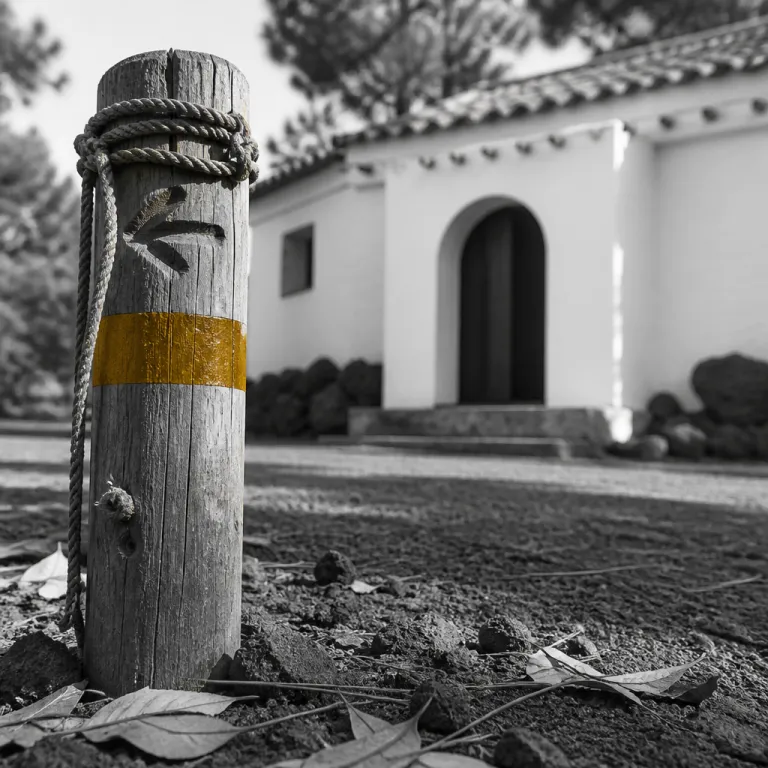
The royal roads of Tenerife: from Guanche paths to curated hiking stays
The network of Caminos Reales in Tenerife began as Guanche herding tracks that stitched ravines and ridges into a functional island map. When the Spanish Crown formalised these royal roads for trade and communication, the island shifted from isolated hamlets to a connected Canarian society where goods, stories and people moved with new speed. Today many of these caminos are restored as hiking routes, turning a former economic lifeline into a walking holiday backbone that links coastal ports, highland villages and some of the island’s most characterful hotels.
Local tourism authorities and Cabildo de Tenerife trail documents indicate that the total length of Caminos Reales on the island is in the region of 300 km, a figure echoed in regional hiking guides, which means you can design multi day itineraries that cross several climatic zones without repeating a single section. These ancient stone paths were built with manual construction and zigzag engineering, so the gradients feel surprisingly humane even when you are climbing towards the highest peak of the Canary Islands on the flanks of Teide. For modern travelers choosing between different Tenerife royal-road hiking hotels, that thoughtful historic design translates into routes where you can walk for a full day, arrive at a rural property by late afternoon and still have time for a slow dinner.
Many visitors ask basic questions before committing to a walking tour along these royal roads, and local tourist offices answer them with reassuring clarity. “What are the Caminos Reales?” and “Are the Caminos Reales suitable for hiking?” sit alongside “Where can I find maps of the Caminos Reales?” in printed FAQs, and the official response is simple: “Ancient royal paths in Tenerife used for trade and communication.”, “Yes, many have been restored for hiking purposes.”, “Local tourist offices provide detailed maps.”. As one Anaga-based guide put it after a long day on the trail, “You are literally walking the same lines that fed the island for centuries.” Once you have that map in hand, you can start pairing specific stretches with hotels near Santa Cruz de Tenerife, in the Orotava Valley or in the pine forests above, always keeping an eye on transfer logistics between each island trailhead and your next night’s stay.
Anaga’s cloud forests and coastal caminos above Santa Cruz
Anaga Rural Park rises sharply above Santa Cruz de Tenerife, where laurel forests, knife edge ridges and tiny hamlets form one of the most atmospheric volcanic landscapes in the Canary Islands. Several Caminos Reales thread this peninsula, creating island walking routes that link viewpoints, terraced farms and Atlantic coves in a single day. For travelers focused on Tenerife hiking hotels close to the Caminos Reales, Anaga offers a rare combination of serious walking and intimate accommodation at the trailheads.
Base yourself in a rural hotel in Taganana, Afur or the upper villages above Santa Cruz, and you can step directly from breakfast onto a camino that once carried wine and gofio towards the capital’s harbour. One classic walking tour follows a restored royal road from the crest line down to the coast, then loops back through ravines where you still see hand built stonework that dates to the early Canarian period. The number of days you choose to spend here matters: two days allow a taste of the highlights, while four or five days turn Anaga into a full walking holiday with time for long lunches and swims between hikes.
Solo travelers who prefer quiet luxury over resort bustle often pair an Anaga stay with refined adults only relaxation resorts in southern Tenerife, using a private transfer to move between the two worlds in under two hours. That way you can spend one day in the clouds, the next day by an oceanfront pool, without sacrificing the authenticity of the island’s walking heritage. Among the Tenerife Caminos Reales hiking hotels, this north south pairing has become one of the most popular strategies for guests who want both rugged trails and polished service in a single Canary Islands itinerary.
Masca gorge, Santiago del Teide and the logistics of royal road hiking
The Masca gorge trail is one of the most popular walking routes in Tenerife, and its permit system, managed through official municipal and Cabildo channels, now regulates daily numbers and access times to protect the ravine. The camino here drops from the tiny mountain hamlet of Masca down a dramatic gorge to the ocean, framed by volcanic landscapes that feel closer to La Gomera or La Palma than to the resort coast. Because access is controlled and the walking is demanding, choosing the right Tenerife Camino Real base hotels around Masca and Santiago del Teide becomes part of the pleasure rather than an afterthought.
Staying in a rural hotel in Masca itself lets you start your walking day early, before the main guided groups arrive from other parts of the island. Another option is to sleep in Santiago del Teide, where small premium hotels such as Hotel La Casona del Patio or nearby rural casas offer better restaurant service and easier transfer links to the rest of Tenerife and even to Gran Canaria or La Gomera by ferry from nearby ports. Either way, you will want to plan your walking days carefully, allowing at least one full day for the gorge and another day for the higher Caminos Reales that connect Santiago del Teide with the pine forests and, eventually, the slopes of Teide.
Environmentally conscious travelers often combine Masca with energy efficient and environmentally certified stays in Tenerife for conscious luxury travelers, choosing properties that minimise their footprint while maximising comfort. This approach fits the spirit of the Caminos Reales, which were built with local materials and maintained by communities long before the term sustainable tourism existed. Among the wider Canary Islands, Tenerife now leads in this style of low impact luxury, and the best hiking friendly hotels around Masca show how refined hospitality and rugged walking can share the same narrow valley without crowding each other.
From Orotava valley to Mount Teide: sea to summit on royal roads
Few islands offer a walking experience as dramatic as the ascent from the Orotava Valley to Mount Teide, where you can trace a camino from near sea level to the highest peak in Spain. This route crosses almost every climate band in the Canary Islands, moving from banana plantations to pine forest and then into the bare volcanic landscapes of Teide National Park. For hikers who care about both the trail and the bed at the end of the day, the choice of Tenerife Caminos Reales hiking hotels along this axis is crucial.
Many travelers start with a night in a heritage hotel in La Orotava, such as Hotel Rural Victoria or Hotel Alhambra, then use a short transfer to reach the upper trailheads at dawn. From there, restored Caminos Reales lead into the national park, where the air thins and the views open towards La Gomera, La Palma and even Gran Canaria on clear days. Some walkers break the journey into two days, staying in a rural property near the park boundary before continuing towards Teide’s high refuges or returning by guided transfer to their hotel, turning a demanding ascent into a more measured walking holiday.
Because Teide and its surrounding caldera sit at the heart of the Canary Islands story, this is also where you feel the historical purpose of the royal roads most strongly. Traders once used these paths to move livestock and charcoal between the island’s interior and Puerto de la Cruz, and you still sense that flow when you pass old threshing circles and abandoned terraces. If you are planning a broader Canarian itinerary that includes Lanzarote’s lava fields, the article on staying on top of an active volcanic landscape in Lanzarote shows how to extend this sea to summit logic across islands, pairing Teide’s heights with otherworldly terrain elsewhere in the archipelago.
Canary Islands walking circuits: linking Tenerife with Gran Canaria, La Gomera and beyond
Once you have walked a few sections of Tenerife’s Caminos Reales, it becomes tempting to see the entire Canary Islands as a single extended walking tour. Ferries and short flights make it easy to hop between island and island, turning a week in Tenerife into a multi island walking holiday that also includes Gran Canaria, La Gomera and perhaps Lanzarote. The key is to treat each island as a chapter, with its own royal roads, volcanic landscapes and carefully chosen hotels at the trailheads.
On Gran Canaria, the highland village of Tejeda and the nearby crossroads of Cruz de Tejeda form the spiritual equivalent of Tenerife’s Teide region, with caminos leading towards Roque Nublo and the cloud forests above Agaete. Here, highlights of Gran Canaria walking include ridge paths that look back towards Tenerife and, on clear days, to La Gomera and La Palma across the water. Staying in small high quality hotels around Tejeda or Cruz de Tejeda, such as Parador de Cruz de Tejeda or Hotel Rural Fonda de la Tea, lets you walk all day, then return to heated pools and slow dinners, mirroring the rhythm you established with your Tenerife Caminos Reales hiking hotels.
La Gomera and La Palma, often combined as a Gomera and Palma pairing in specialist itineraries, offer shorter transfer times from Tenerife but very different moods on the trail. La Gomera’s national park of Garajonay is a laurel forest maze, while La Palma’s caldera and high ridges feel built for long duration days above the clouds. Across all these islands, the climate stays mild year round, so you can plan your walking holiday outside peak seasons and still enjoy stable weather, reliable guided services and a wide choice of hotels from Las Palmas de Gran Canaria to Puerto de la Cruz that understand what hikers need when they finally stop walking for the day.
Practicalities, safety and choosing the right trailhead hotels
Planning a trip around the Caminos Reales means thinking in stages rather than in single excursions, especially if you want to combine several islands in one itinerary. Start by deciding how many days you want to dedicate to Tenerife itself, then allocate specific day walks in Anaga, Masca and the Teide region, each anchored by carefully selected Tenerife Caminos Reales hiking hotels or comparable trailhead properties. From there, you can add side trips to Gran Canaria, La Gomera or Lanzarote, always checking ferry times and transfer options between ports and trailheads.
Safety on these royal roads is straightforward as long as you respect the basics: wear sturdy footwear, carry sufficient water and check weather forecasts before committing to a long walking day. Many sections are suitable for self guided walking, but hiring a qualified mountain guide for at least one day can deepen your understanding of the Guanche heritage and the Spanish Crown’s role in shaping the network. Because the paths were built with hand tools and local stone, they can be uneven or exposed in places, so choosing hotels that understand hikers’ needs — early breakfasts, late check in, luggage transfer — makes a tangible difference to your walking holiday.
To help with planning, the following overview summarises typical figures for some emblematic sections of the Caminos Reales in Tenerife (distances and times are indicative and can vary with route choice and fitness):
- Anaga crest to Taganana loop: 10–14 km, 500–800 m cumulative ascent, 4–6 hours, moderate terrain with occasional steep, narrow sections.
- Masca village to coast and return via gorge: 8–10 km, around 600–700 m descent and re-ascent, 5–6 hours, demanding path with rocky steps and some exposed stretches.
- Orotava Valley upper trailhead to Teide National Park edge: 12–16 km, 900–1,200 m ascent, 5–7 hours, sustained climb on historic stone paths and forest tracks.
When comparing options, look for properties that sit directly on or very close to a camino, whether in Santa Cruz, La Orotava, Vilaflor, Masca, Santiago del Teide or the high villages near the national park. The best hotels in this niche offer flexible transfer arrangements, drying rooms for gear and staff who can advise on route choices based on your fitness and the time of year. Across the Canary Islands, from Las Palmas to Puerto de la Cruz and the smaller inland towns, this new generation of trailhead hotels is quietly redefining what it means to walk ancient royal roads by day and sleep in contemporary comfort by night.
FAQ
Are the Caminos Reales in Tenerife suitable for beginners?
Many sections of the Caminos Reales in Tenerife are suitable for beginners, especially shorter stretches near coastal towns and in the gentler parts of Anaga and the Orotava Valley. Choose routes with limited elevation gain and plan a single day of walking at first, using local tourist office maps to identify easy segments. Staying in trailhead hotels allows you to shorten or extend your walk without complex logistics.
How many days should I plan for a Caminos Reales focused trip?
A focused Caminos Reales itinerary in Tenerife works well with five to seven days, allowing time for Anaga, Masca and a Teide area hike. If you want to add Gran Canaria, La Gomera or Lanzarote, extend your trip to ten to fourteen days and treat each island as a separate walking chapter. Always include at least one rest day in a comfortable hotel to recover between more demanding routes.
Where can I find reliable maps and information about the trails?
Local tourist offices in Tenerife, especially in Santa Cruz, La Orotava and major resort areas, provide detailed printed maps of the Caminos Reales. These maps usually indicate trail difficulty, estimated duration and elevation changes, which helps when pairing routes with specific hotels. Specialist hiking shops on the island also stock topographic maps and can recommend guided services if you prefer expert support.
Do I need a guide to hike the Caminos Reales?
You do not need a guide for every section, as many Caminos Reales are well signposted and suitable for self guided walking. Hiring a guide for at least one or two days can add historical context about the Guanche people, the Spanish Crown and the role of these royal roads in Canary trade. Guided days are especially useful in more complex areas such as Masca gorge or long ascents towards Teide.
What type of hotels work best for a Caminos Reales itinerary?
The most practical choice is small to medium sized hotels located close to key trailheads in Anaga, Masca, Santiago del Teide, Vilaflor and the Orotava Valley. Look for properties that offer early breakfasts, flexible check in, luggage transfer and staff with local walking knowledge. These Tenerife Caminos Reales hiking hotels turn a good route into a seamless experience, letting you focus on the walking rather than the logistics.