How to think about travel Canary Islands as a first-time visitor
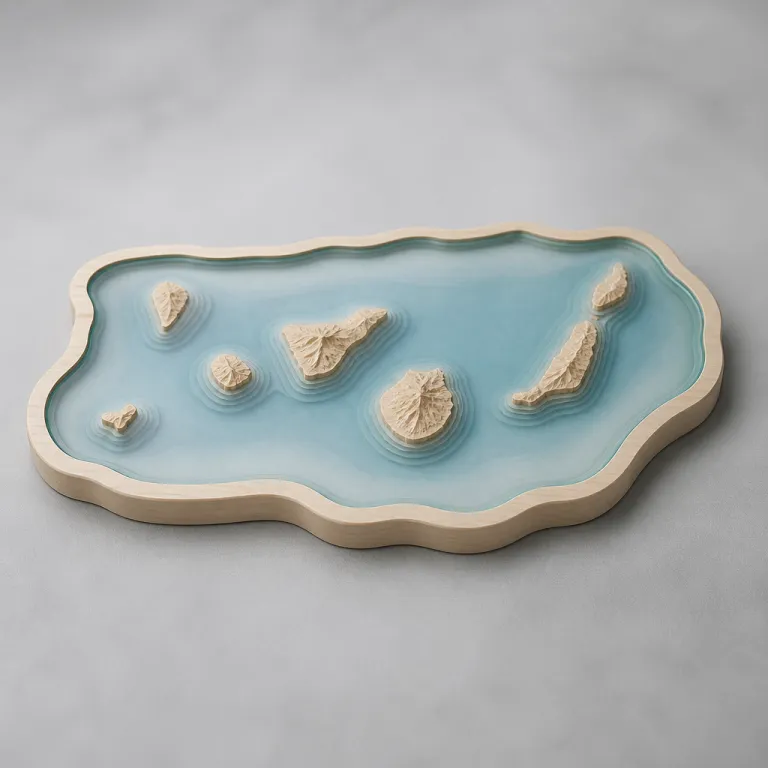
Planning travel Canary Islands is less about one destination and more about choosing the right island for your family. This Atlantic archipelago belongs to Spain yet sits off the African coast, which means European infrastructure, a volcanic backbone and a climate that feels made for year round holidays. When you start to plan your visit, the best approach is to treat each island as a different country within the same friendly Canary Islands family.
There are seven main islands and several smaller ones, and each island will suit a different style of luxury stay. Tenerife and Gran Canaria offer the highest density of five star properties, while Lanzarote and Fuerteventura lean into design, space and elemental landscapes that feel far from mainstream Canary Islands tourism. La Palma, La Gomera, El Hierro and La Graciosa sit at the quieter end of island travel, where national parks, hiking trails and dark skies matter more than a long sandy beach lined with sun loungers.
For first timers, Tenerife is usually the best starting point in the Canary Islands. One expert summary captures it clearly: “Tenerife offers diverse attractions suitable for first-timers.” That single line of travel advice reflects what our own travel guide work has shown over many years of hotel inspections across the islands.
When you travel Canary Islands from the United States, you will usually connect via Madrid or Barcelona in mainland Spain. Entry follows standard Schengen rules, so check your entry and any visa needs before you book non refundable rooms. Exit requirements are straightforward for most visitors, but always verify current border rules with official Spanish government sources rather than relying on hearsay from tourism forums.
Luxury travelers often ask about the best time to visit and whether there is a single time visit window that beats all others. The reality is that the Canary Islands operate as a year round resort system, with average temperatures around 22 °C and only modest seasonal swings (AEMET, long term climate data). That means you can focus less on weather anxiety and more on which island will help your family balance pool time, relaxed beach days, national park excursions and quiet evenings in a local restaurant.
Tenerife: the default choice for luxury families
Tenerife is the largest island in the Canary Islands and the most versatile for premium family stays. The south coast concentrates many of the region’s best luxury hotels, from classic oceanfront properties in Costa Adeje to newer design forward resorts that understand what multi generational travel really needs. You come for the pools and kids’ clubs, but you stay because the island offers serious day trips that turn a simple beach holiday into a richer travel Canary Islands experience.
The volcanic spine of Tenerife is dominated by Teide National Park, which surrounds Mount Teide and its otherworldly lava fields. A cable car ride near the summit of Teide gives children a tangible sense of the island’s volcanic origins and frames the wider archipelago on a clear day. Families who like structured days can combine Teide with whale watching off the southwest coast, while those who prefer slow travel can wander the colonial streets of San Cristóbal de La Laguna, a UNESCO listed town that shows a very different face of Canary Islands culture.
For many first timers, Tenerife and Gran Canaria feel interchangeable, yet Tenerife usually wins when you compare Tenerife Gran hotel stock at the five star level. The island’s luxury properties tend to offer larger suites, better heated pools and more thoughtful kids’ programming, which matters when you travel with younger children outside the peak summer period. If you are planning peak season and want to understand how hotel pricing shifts across the Canary Islands, this detailed guide to hotels worth securing before high summer is essential reading before you lock in dates.
From a practical standpoint, Tenerife is one of the easiest islands for long haul travelers to enter. Two airports, Tenerife Sur (TFS) and Tenerife Norte (TFN), connect the island to mainland Spain and wider European hubs, with typical flight times from Madrid around 2 hours 50 minutes (based on major airline schedules). Credit cards are widely accepted across the island, but it is still wise to carry some cash for local guachinches, the informal family run eateries in the north where the menu is short, the wine is local and the bill is refreshingly modest.
When you plan your time visit on Tenerife, think in clusters rather than single attractions. One day might combine a morning on a family friendly beach in Costa Adeje, an afternoon at a water park and an early dinner in a local restaurant that understands children’s bedtimes. Another day could focus on the national park, with a stop in La Orotava on the way back to your hotel, giving you a sense of how the Canary Islands blend volcanic drama with lived in towns that still feel authentically Spanish.
Gran Canaria: miniature continent with serious hotel choice
Gran Canaria is often described as a miniature continent, and that phrase holds up when you drive from the dunes of Maspalomas to the green interior in a single afternoon. The south coast concentrates many of the islands’ best resorts, particularly around Meloneras and Maspalomas, where family friendly luxury hotels sit behind the famous sand dunes. If your travel Canary Islands priority is a polished resort base with easy access to a sweeping beach, Gran Canaria deserves a close look.
Las Palmas de Gran Canaria, the island’s capital, adds a layer that Tenerife’s resort south sometimes lacks. Here you can pair a morning on Las Canteras beach with an afternoon exploring the historic Vegueta district, then return to a city hotel that feels more urban European than classic Canary Islands resort. This mix of city life, dunes and mountain villages makes Gran Canaria one of the most flexible islands for families who like variety and do not want to spend every day by the pool.
For a deeper dive into where to stay, our dedicated guide to luxury hotels in Gran Canaria from Maspalomas dunes to Las Palmas city breaks down specific properties, room types and which resorts handle multi room family configurations best. When you compare Tenerife Gran options with Gran Canaria’s portfolio, you will notice that Gran Canaria often offers slightly better value at the high end, especially outside school holidays. That can help if you are trying to balance suite space, kids’ club quality and overall trip budget without compromising on service.
Nature wise, Gran Canaria does not have a single headline national park like Teide, but its interior is protected as a UNESCO Biosphere Reserve and offers superb hiking. Families can drive up to viewpoints such as Roque Nublo, where the volcanic landscape feels wild yet remains within easy reach of the coast. This contrast between dunes, cliffs and pine forests is what makes island travel here feel like several trips in one, even if you never leave the same island.
On the practical side, border formalities in Gran Canaria follow the same Schengen framework as the rest of Spain, so your entry conditions will match those for Tenerife or Lanzarote. Credit cards are accepted almost everywhere, though some smaller local cafés in the mountains still prefer cash, especially for low value transactions. If you are planning to rent a car, book early for peak dates, as the best family sized vehicles can sell out quickly during popular windows such as spring break and late fall.
Lanzarote and Fuerteventura: design, wind and wide open space
Lanzarote is the Canary Island where volcanic drama and human design meet most elegantly, thanks largely to the legacy of artist and architect César Manrique. When you travel Canary Islands with an eye for aesthetics, Lanzarote stands out for its low rise white architecture, dark lava fields and carefully framed viewpoints that make the whole island feel curated. Luxury hotels here tend to be smaller, more design conscious and less dominated by all inclusive formulas, which suits families who value atmosphere as much as amenities.
The heart of Lanzarote’s volcanic story lies in Timanfaya National Park, where coach tours and guided walks reveal a landscape shaped by relatively recent eruptions. Children tend to remember the geothermal demonstrations, where dry brush ignites from underground heat and water turns to steam in seconds, more than any classroom lesson on geology. Beyond Timanfaya, the island’s wine region of La Geria, with vines planted in black ash pits, shows how local farmers have adapted to the Canary Islands environment in ways that feel both fragile and resilient.
Fuerteventura, by contrast, is about wind, beaches and a sense of space that you rarely find elsewhere in the Canary Islands. The island’s long strands of pale sand, especially around Corralejo and the Jandía peninsula, make it one of the region’s best choices for pure beach time. If your family’s idea of travel involves kite surfing lessons, long walks on near empty shores and simple seafood lunches in local chiringuitos, Fuerteventura will feel like the right country within the broader Canary Islands family.
Luxury wise, Fuerteventura offers a smaller but growing set of premium hotels, often with strong spa programs and generous room sizes. Many properties are designed to shield guests from the constant trade winds, which is a detail worth checking in reviews if you plan to spend long afternoons on your terrace. For design focused travelers comparing Lanzarote and Fuerteventura, this analysis of the rise of the design hotel in the Canary Islands helps clarify which island travel style matches your expectations.
From a logistics perspective, both Lanzarote and Fuerteventura are well connected to mainland Spain and other European hubs, though direct long haul flights from the United States are rare. Entry and exit rules mirror those of the wider Schengen area, so your passport and visa situation will be identical across the Canary Islands. Credit cards work reliably in resorts and most local restaurants, but carrying some cash is still useful for small coastal villages, local markets and parking near popular beaches.
La Palma, La Gomera, El Hierro and La Graciosa: quiet edges of the archipelago
Once you look beyond the big four islands, travel Canary Islands becomes more about silence, hiking and a different rhythm of days. La Palma, often called La Isla Bonita, is the greenest of the Canary Islands and a strong choice for families who value nature over nightlife. Its volcanic story made global headlines after the recent eruption in the Cumbre Vieja area, and visiting now offers a chance to see both the raw new lava fields and the resilience of local communities rebuilding around them.
La Palma’s main draw for many visitors is stargazing, thanks to strict light pollution controls and world class observatories in the island’s highlands. Families with older children can book guided night sky tours that turn the dark into a classroom, linking constellations to navigation and the island’s role in Atlantic exploration. Hiking is equally strong, with routes through Caldera de Taburiente National Park that showcase deep ravines, waterfalls and forests that feel far removed from the resort coasts of Tenerife or Gran Canaria.
La Gomera sits just off Tenerife’s southwest coast yet feels like another country once you arrive. The island’s core is Garajonay National Park, a UNESCO listed laurel forest that often sits in the clouds and offers cool, mossy trails even when the coast is warm. This is where island travel slows down: you base yourself in a small coastal town such as Valle Gran Rey, spend mornings hiking and afternoons on a small local beach, then eat in restaurants where the menu changes with whatever the fishermen brought in.
El Hierro, the smallest of the main Canary Islands, is a place for divers, walkers and those who like their luxury quiet rather than showy. Hotel infrastructure is limited, but a handful of premium guesthouses and small upscale properties offer thoughtful service, local food and access to natural pools carved into the volcanic coastline. La Graciosa, officially part of the Lanzarote municipality, has even less development and no paved roads, which makes it ideal for a day trip or a short stay focused on cycling, walking and simple beach time.
Because these islands sit at the edges of the Canary Islands, reaching them usually involves a ferry or a short inter island flight from Tenerife or Gran Canaria. Schedules can be more limited than on the main routes, so you should check ferry times carefully, especially outside the main best time windows when services may be less frequent. Credit cards are accepted in most accommodations and larger restaurants, yet carrying cash is more important here than on the bigger islands, particularly if you plan to eat in remote local spots or use small taxis.
Practical planning: entry, timing, payments and getting around
When you plan travel Canary Islands from the United States, your journey will almost always route through a European hub such as Madrid, Barcelona, Lisbon or a major German city. The Canary Islands are part of Spain, which in turn belongs to the Schengen area, so your entry conditions follow the same rules as any other Schengen country. That means you should check current visa requirements, passport validity rules and any health related entry requirements on official Spanish government or European Union websites before you book flights and hotels.
For most travelers, departure formalities are straightforward, but it is still wise to allow extra time at the airport, especially during peak seasons when visitor numbers are high. Families should keep passports, boarding passes and any supporting documents together in a single folder to make security and border checks smoother. If you are connecting between islands on separate tickets, build in generous layovers, as inter island flights and ferries can be subject to weather related delays, particularly in winter.
The best time to visit the Canary Islands depends less on weather and more on your tolerance for crowds and pricing. Because the climate is mild year round, with average temperatures around 22 °C according to Spain’s meteorological agency AEMET, you can comfortably plan a time visit in almost any month. For premium families, shoulder seasons such as late spring and early fall often offer the best balance of room availability, calmer pools and more attentive service, especially in the most popular resorts of Tenerife and Gran Canaria.
On the financial side, credit cards are widely accepted across the islands, especially Visa and Mastercard, with American Express coverage improving but still patchier in smaller local businesses. It is sensible to carry some euros in cash for parking meters, small cafés, local markets and tips for housekeeping or porters, particularly on the smaller islands. When you use ATMs, choose machines attached to banks in town centers rather than standalone units in tourist zones, as fees and exchange rates are usually more transparent.
Getting around the Canary Islands is easiest if you rent a car, especially on Tenerife, Gran Canaria, Lanzarote and Fuerteventura, where road networks are good and distances are manageable. On La Gomera, La Palma and El Hierro, a car will help you reach trailheads, viewpoints and small villages that public buses serve only a few times a day. For travel between the main hubs, local airlines and ferry companies offer frequent connections, with typical flight times of 30 to 50 minutes and many ferry crossings under three hours, so you can design an itinerary that combines, for example, a week in Tenerife Gran resorts with a few quieter days on La Gomera or La Palma.
How to choose your island: matching personalities to places
Choosing where to travel Canary Islands as a first timer is ultimately about matching your family’s personality to the right island. If you want a one stop solution with polished resorts, strong kids’ clubs and easy access to both relaxed beach days and volcanic excursions, Tenerife is usually the safest choice. Gran Canaria comes a close second, especially if you like the idea of combining Maspalomas dunes with evenings in a real city such as Las Palmas de Gran Canaria.
Design minded travelers who care about architecture, landscape and a sense of curated calm will often feel more at home on Lanzarote. The island’s Manrique influenced aesthetic, Timanfaya National Park and La Geria wine region create a coherent narrative that elevates even simple drives into memorable days. Fuerteventura, by contrast, is for families who rank long beaches, water sports and a feeling of space above nightlife, shopping or dense restaurant districts.
Nature first travelers, especially those with older children or teens, should look closely at La Palma and La Gomera. La Palma’s combination of stargazing, hiking and post eruption landscapes offers a powerful reminder that the Canary Islands are living volcanic territory, not just sun destinations. La Gomera’s laurel forests, cliffside villages and slow pace make it ideal for families who want to unplug, walk and eat well in local restaurants without a long list of must see sights.
El Hierro and La Graciosa sit at the far edges of the archipelago, both geographically and in terms of tourism development. They are not the best choices for a first ever visit to Spain with young children, but they can be perfect add ons for experienced Canary Islands travelers seeking quiet, authenticity and a sense of being far from mass tourism zones. If you fall in love with the region on your first trip, these islands will reward a return visit with deeper, slower experiences.
Whichever island you choose, a few principles will help you get the most from your stay. Book early for peak dates, especially if you need connecting rooms or suites in the most popular luxury properties, as premium family configurations are limited and sell out quickly. Use a trusted travel guide or specialist agency that understands the nuances between islands, and do not hesitate to ask local hotel concierges for tailored travel advice once you arrive: they live the Canary Islands year round and can often point you toward the quietest coves, the most reliable local guides and the restaurants where the menu is still written for residents rather than visitors.
Key figures for first-time luxury travel in the Canary Islands
- The Canary Islands consist of seven main islands, which means first-time visitors must choose among seven distinct destinations rather than a single resort area (source: general geographic data, Gobierno de Canarias).
- The average annual temperature across the Canary Islands is around 22 °C, creating a genuinely year round season that allows flexible trip planning outside traditional summer peaks (source: AEMET, Agencia Estatal de Meteorología, climate statistics).
- Direct flight times from Madrid (MAD) to Tenerife (TFS) or Gran Canaria (LPA) are typically around 2 hours 50 minutes, which makes same day connections from many United States gateways feasible via Spain (source: Iberia and other major airline schedules).
- Several islands, including Tenerife, La Palma and La Gomera, contain protected areas such as Teide National Park and Garajonay National Park, contributing to a high ratio of national parks and reserves relative to total land area (source: Spanish National Parks administration).
- Tourism accounts for a significant share of the regional economy in the Canary Islands, with annual visitor numbers in recent years measured at over 13 million arrivals (source: Canary Islands tourism board, Turismo de Canarias), which underlines the importance of choosing less crowded periods if you value quieter luxury stays.
FAQ about first-time luxury stays in the Canary Islands
Which Canary Island is best for a first-time luxury family trip ?
For most premium families, Tenerife is the best starting point, thanks to its combination of strong five star hotel stock, varied landscapes and easy logistics. You can pair resort time in the south with day trips to Teide National Park and historic La Laguna, which keeps both adults and children engaged. Gran Canaria is a close alternative if you prefer a mix of dunes, city life and mountain villages.
What is the best time to visit the Canary Islands for luxury travel ?
The Canary Islands have a mild climate year round, with average temperatures around 22 °C, so there is no single mandatory season. For luxury travelers, shoulder periods such as late spring and early fall often offer the best balance of availability, pricing and service levels. Peak holiday weeks around major European school vacations will see higher rates and busier pools, especially in Tenerife and Gran Canaria.
Do I need a visa to enter the Canary Islands from the United States ?
The Canary Islands are part of Spain and the Schengen area, so visa requirements depend on your nationality and current Schengen rules. Many United States passport holders can enter visa free for short stays, but you must always check official Spanish government guidance before travel. Ensure your passport meets minimum validity requirements and that you understand any upcoming European entry systems that may apply.
Is it easy to move between different Canary Islands on one trip ?
Inter island travel is straightforward, with frequent short flights and ferries linking Tenerife, Gran Canaria, Lanzarote and Fuerteventura, plus connections to La Palma, La Gomera and El Hierro. However, schedules can be thinner outside peak seasons, so you should plan connections carefully and allow buffer time. For a first visit, many families choose one main island and add only a short side trip to avoid overcomplicating logistics.
Should I rent a car for a luxury stay in the Canary Islands ?
Renting a car is highly recommended on most islands, especially Tenerife, Gran Canaria, Lanzarote and Fuerteventura, where key sights and the best beaches are spread out. A car gives you flexibility to reach national parks, local restaurants and quieter coves that large tour buses skip. On smaller islands such as La Gomera or El Hierro, a compact car still helps you explore at your own pace, even if daily driving distances are short.