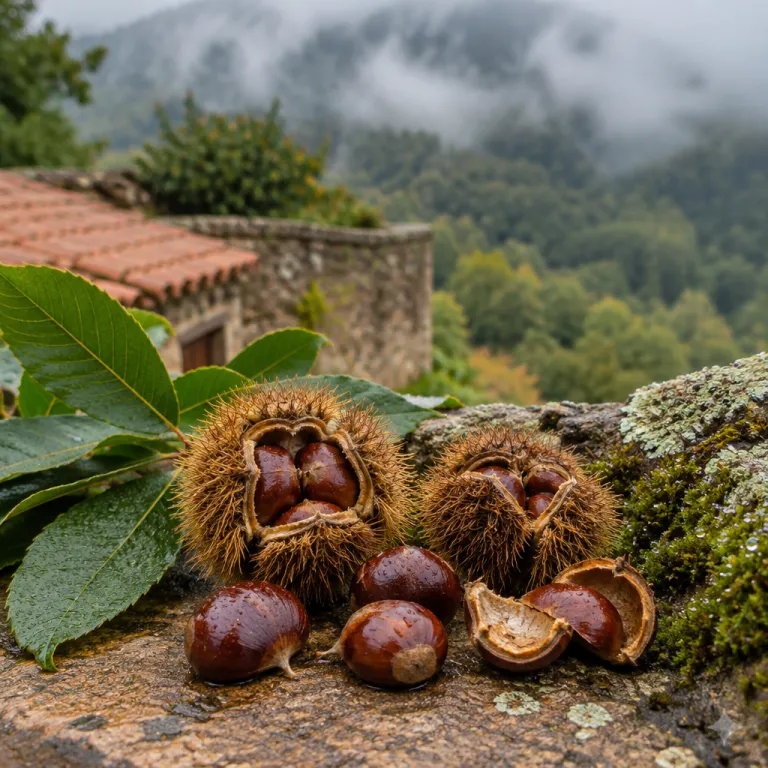
Why the canary islands autumn highlands chestnut season belongs on your family calendar
On the map, the Canary Islands sit off the west coast of mainland Spain, ringed by the Atlantic Ocean and marketed endlessly for winter sun. Yet the canary islands autumn highlands chestnut season offers a quieter, more textured way to travel, especially for families who prefer forest paths to crowded pools. This is the time when the air cools just enough in the highlands for chestnut smoke to curl from village squares, while the coast of each island stays warm enough for a late swim.
Think of Tenerife, Gran Canaria and La Gomera as a vertical destination rather than a horizontal beach strip, with the most interesting autumn stories unfolding between roughly 600 and 1 400 metres above sea level. During the canary islands autumn highlands chestnut season, these mid altitude belts feel almost alpine at peak roasting time, yet you are still in Spain, with Spanish language menus and Canarian hospitality rather than a generic resort bubble. Families can split their stay between a refined coastal hotel on the west coast and a rural estate in the interior, turning a simple holiday into a layered island experience.
From late October into early November, the tradition of los Finaos brings people together in the highland villages of Tenerife and Gran Canaria for roasted chestnuts, anise liqueur and stories of those who have passed. You will not see dramatic leaf colour, but you will feel a genuine autumn atmosphere in the laurel forests, pine forests and terraced valleys that define the highlands of these islands. For a luxury or premium stay, this chestnut focused shoulder season is the ideal time to pair highland walks with evenings in design forward hotels that understand families, rather than chasing last minute tourism deals in anonymous coastal strips.
Tenerife’s northern highlands: chestnuts, laurel clouds and family friendly luxury
Tenerife is the island that best expresses the canary islands autumn highlands chestnut season, because its north face rises sharply from the Atlantic Ocean into deep ravines and cloud forest. Above Santa Cruz de Tenerife and San Cristóbal de La Laguna, the Anaga massif traps moist air, feeding mossy laurel trees and creating a genuine cloud forest that feels far removed from the dry volcanic south. On clear days, the volcanic peak of Teide rises above the clouds, reminding you that this national park dominates the island’s skyline and shapes its microclimates.
In the mid altitude valleys around La Orotava and the upper parts of Santa Cruz, chestnut groves line old caminos where families still walk up to small fincas for the first roast of the season. During the canary islands autumn highlands chestnut season, these groves become social spaces, with children running between trees while grandparents tend the embers and pour local wine. This is also where you are most likely to hear older residents speak Tenerife Spanish with a soft Caribbean lilt, a reminder that these islands have always been a bridge between Spain and the wider Atlantic world.
Luxury travellers often base themselves in the north of Tenerife to balance access to the highlands with the comfort of a polished hotel. A smart strategy is to book a premium stay near Puerto de la Cruz, then drive up into the pine forests and laurel zones for day hikes and chestnut tastings; the ascent to areas around 1 000 metres typically takes 30 to 45 minutes by car. If you want a deeper sense of place, consider the state run heritage properties highlighted in our guide to the Paradores of the Canary Islands, such as Parador de Las Cañadas del Teide, where volcanic stone, traditional patios and national park views frame an autumn stay that feels rooted rather than themed.
Gran Canaria’s central summits: los Finaos, chestnut smoke and sky islands
Gran Canaria is often sold as a single beach, yet the canary islands autumn highlands chestnut season plays out far above the dunes, in a ring of mountain villages that circle the island’s eroded volcanic core. Drive inland from Las Palmas de Gran Canaria and within an hour you are climbing through ravines towards Tejeda and Artenara, where the air cools, the light softens and chestnut trees cling to steep slopes. These central summits form a kind of sky island, with their own species of plants and birds adapted to cooler, wetter conditions than the coast.
During late October and into early November, los Finaos brings families into the streets of these villages, with stalls selling roasted chestnuts, anise sweets and local cheese. Children quickly understand that this is not a theme park version of autumn, but a living tradition that links food, memory and landscape in a way that feels both Spanish and distinctly Canarian. For parents used to scripted resort entertainment, the unhurried rhythm of these evenings can be a revelation, especially when combined with a comfortable, well heated room back at a carefully chosen hotel.
Premium family travellers often pair a few nights in the highlands with a coastal stay near the calmer west coast, using the mountains as a daytime playground. Our review of elevated coastal stays above Puerto Rico in Gran Canaria explains how to base yourself near Mogán while still reaching the central summits in under ninety minutes. From there, you can spend the day walking through pine forests, spotting the endemic Gran Canaria blue chaffinch and watching the light change over the volcanic caldera, then return to the comfort of a full service property that understands the logistics of family travel.
Beyond Tenerife and Gran Canaria: quiet autumn highlands on La Gomera and La Palma
While Tenerife and Gran Canaria anchor most tourism, the canary islands autumn highlands chestnut season also has a gentler expression on La Gomera and La Palma. These smaller islands feel more intimate, with fewer large hotels and more rural estates where you wake to the sound of roosters rather than traffic. For families who value space and silence, this can be the ideal way to experience the islands in autumn without sacrificing comfort.
On La Gomera, the Garajonay National Park protects one of the best preserved laurel forests in the archipelago, where cool, moist air feeds moss covered trunks and ferns. The highlands here do not have the same chestnut density as Tenerife or Gran Canaria, yet the mood in late October is unmistakably autumnal, with mist drifting through the trees and villagers lighting fires in stone houses. Across the water, La Palma’s highlands and the terraced valleys around areas such as Puntagorda and Tijarafe offer slopes where chestnuts, vines and avocados share the same volcanic soil.
Luxury and premium options on these islands tend to be smaller rural estates and reimagined fincas rather than large complexes, which suits the slower rhythm of the canary islands autumn highlands chestnut season. Our feature on rural estate hotels in the Canary Islands highlights properties where children can roam safely among fruit trees while adults enjoy serious local wine. For families planning a longer stay that spans January or the shoulder months around November, combining La Gomera or La Palma with a few nights on Tenerife or Gran Canaria creates a satisfying arc from quiet highlands to more structured coastal luxury.
Planning a premium family stay around the canary islands autumn highlands chestnut season
Designing a family trip around the canary islands autumn highlands chestnut season means thinking in layers: altitude, temperature and time of year. At sea level, the islands remain warm enough for swimming well into November, while at 1 000 metres you will want light jackets for evening chestnut roasting. This vertical range allows you to tailor each day, moving between warm coastal air and cooler highland breezes without long drives.
For most families, a balanced itinerary in Tenerife or Gran Canaria might mean four nights on the coast and three in the highlands, with car hire to link both parts of the stay. Choose a coastal base on the west coast of Tenerife or near Las Palmas in Gran Canaria for easy access to both beaches and mountain roads. Then add a highland property near a national park or chestnut valley, where children can see how volcanic landscapes, endemic species and traditional agriculture intersect in daily life.
When you book, pay attention to how each hotel frames its connection to the landscape, not just its pool or spa. Properties that highlight guided walks, local food sourcing and family friendly access to pine forests or laurel trails tend to deliver a richer autumn experience. In a region where tourism often defaults to the lowest common denominator, the canary islands autumn highlands chestnut season rewards travellers who go up rather than out, choosing stays that make the most of volcanic peaks, chestnut smoke and the soft light of shorter days.
FAQ
When is the best time to experience the canary islands autumn highlands chestnut season ?
The most atmospheric period usually runs from late October into early November, when los Finaos traditions and chestnut roasting are most active in highland villages. Coastal areas of the Canary Islands remain warm, but mid altitude zones in Tenerife and Gran Canaria feel distinctly autumnal. If you prefer quieter roads and trails, aim for weekdays rather than holiday weekends.
Which island is best for a family focused autumn highlands trip ?
Tenerife and Gran Canaria work best for most families, because they combine strong flight connections with easy access to highland villages and national parks. Tenerife offers dramatic laurel forests and views of Teide, while Gran Canaria excels for chestnut villages around its central summits. La Gomera and La Palma suit families who prefer smaller, quieter islands with rural estate hotels.
Do we need a car to enjoy the highlands and chestnut villages ?
A rental car gives you far more flexibility to reach chestnut groves, pine forests and small villages during the canary islands autumn highlands chestnut season. Public transport exists but can be sparse in the highlands, especially on weekends or in the evening. For families, a car also makes it easier to split the stay between a coastal hotel and an inland property.
Is the weather too cold in the highlands for children in autumn ?
Highland temperatures are cooler than the coast, but they rarely feel harsh, especially during the day. Expect mild days suitable for hiking in light layers, with cooler evenings where a fleece or light jacket is enough for most children. The contrast with the still warm coast is part of the appeal, letting families enjoy both chestnut fires and beach time in a single trip.
Can we combine beach time with highland chestnut experiences in one itinerary ?
Yes, and that combination is one of the strengths of the Canary Islands in autumn. Many travellers book a premium coastal stay on the west coast of Tenerife or near Mogán in Gran Canaria, then add several nights in a highland hotel or rural estate. Daily drives between coast and highlands are usually under ninety minutes, making it easy to mix pool time, forest walks and evening chestnut roasting.