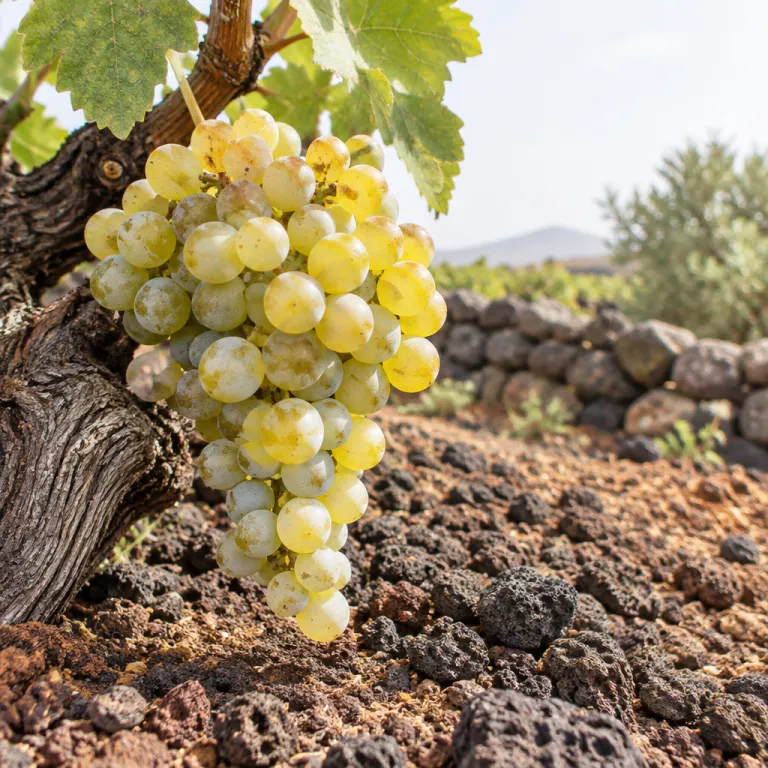
Canary Islands volcanic wine producers Malvasía and where to stay
On the Canary Islands, volcanic wine producers working with Malvasía are reshaping how luxury travelers drink and stay. The new generation of winemakers treats the archipelago as a serious fine-wine region, and the best hotels now curate lists that read like love letters to Malvasía Volcánica and Listán Blanco. For couples planning a refined escape, choosing a Canary Islands hotel with a cellar tuned to these grapes turns a simple stay into a quietly immersive tasting journey.
Across the Canary Islands, volcanic soils define everything from the vines to the villas. Many vineyards sit on black ash that stores precious moisture, while nearby properties frame the same dark slopes through floor-to-ceiling glass and private plunge pools. When you book, look for wine-focused concierges who can arrange private visits to vineyards, explain each grape variety at dinner, and secure tastings of limited white wines Malvasía that rarely leave Spain.
The most forward-looking Canary Islands volcanic wine producers Malvasía work with hand-harvested grape clusters and native yeasts, and the most interesting hotels mirror that low-intervention philosophy. Menus lean on local fish, vegetables grown in volcanic soils and island olive oil, designed to flatter tense, mineral white wines and pale reds built on red fruit and spice. Ask specifically for wines from Islas Canarias denominaciones such as DO Lanzarote, DO Valle de La Orotava or DO Tacoronte-Acentejo, and you will often be guided toward Malvasía Volcánica, Listán Negro and Baboso Negro from producers whose vineyards you can see from your suite.
From sweet Malvasía to dry volcanic wines
For centuries, the Canary Islands were shorthand for sweet wines Malvasía, shipped to northern Europe and poured as dessert. That history still matters, yet the current wave of Canary Islands volcanic wine producers Malvasía is focused on dry, saline, terroir-driven bottles that pair better with modern tasting menus. This shift is especially clear on Tenerife and Lanzarote, where younger winemakers treat Malvasía Volcánica as a serious, age-worthy grape variety rather than only a source of liqueur-like sweetness.
Viticultural research across Islas Canarias has shown striking intra-varietal diversity in Malvasía Volcánica, and winemakers are using that data to match specific clones to particular volcanic soils. One expert summary captures the change succinctly: "Dry, crisp Malvasía replacing sweet traditions" and "Organic, biodynamic, minimal-intervention viticulture" now define the leading edge. For travelers, that means hotel wine lists increasingly highlight single-parcel wines Canary from Valle Güímar, Daute Isora and Ycoden Daute, often poured by sommeliers who know the growers personally and can point to benchmark bottles from recent vintages such as 2019 or 2020.
Sweet wines still exist, of course, and a glass of late-harvest Malvasía or a luscious blanco dulce remains a beautiful way to end a meal. Yet the most exciting pairings in luxury dining rooms now involve dry Malvasía Volcánica, taut Listán Blanco and pale reds from Listán Negro or Baboso Negro that hum with red fruit and volcanic spice. When you scan a list in a high-end Tenerife resort, look for sections labeled islands wines or wines Canary, which usually signal a thoughtful, terroir-aware selection rather than a token bottle.
Lanzarote’s La Geria: sleeping among vines and lava
Lanzarote is where the drama of Canary Islands volcanic wine producers Malvasía feels most visceral. In La Geria, vines grow in individual pits called hoyos, each carved into ash and ringed by low stone walls that shield the grape from Atlantic winds. Staying in a luxury hotel or villa near this landscape means waking to views of vineyards that resemble a lunar amphitheater, then tasting Malvasía Volcánica grown just a few hundred meters away.
Many Lanzarote properties now build their identity around these vineyards, offering guided walks through the black fields and private tastings of both dry and sweet Malvasía. You will often sample blanco wines that show piercing acidity, alongside richer sweet wines that echo the historic Malmsey style once exported from the Canary Islands to royal courts in Spain and beyond. Ask your concierge to arrange visits to small producers who work organically, ferment with native yeasts and treat each grape variety as a lens on specific volcanic soils.
Because rainfall in Lanzarote vineyards is extremely low, the resilience of these vines is part of the story you taste in the glass. Couples who care about sustainability tend to appreciate how hand harvesting, minimal irrigation and low-intervention cellar work translate into wines Malvasía with a clear sense of place. When booking, prioritize properties that partner closely with local vineyards, list multiple Malvasía Volcánica bottlings by the glass, and can explain the difference between a fresh island blanco and a more structured, lees-aged white wine from La Geria.
Tenerife and Gran Canaria: volcanic wine routes from refined bases
Tenerife offers the most diverse wine regions in the archipelago, and it is where Canary Islands volcanic wine producers Malvasía intersect most clearly with high-end hospitality. On the north coast, steep vineyards in Valle Güímar, Daute Isora and Ycoden Daute climb from sea level to over 1,000 m, giving wildly different expressions of Malvasía Volcánica, Listán Blanco and Listán Negro. Base yourself in a refined coastal hotel, then let the concierge map a day that moves from oceanfront breakfast to hillside tastings and back to a spa appointment before dinner.
Gran Canaria plays a quieter but increasingly compelling role for travelers who want both serious wine and polished resorts. Around the island’s interior, small vineyards on volcanic slopes produce characterful white wines and reds with bright red fruit, while the south coast offers elegant stays near the dunes and lighthouse of Maspalomas. For a detailed look at where to sleep between tastings, consult this guide to refined stays in Maspalomas between dunes, beach and lighthouse, then ask the hotel team to arrange visits to nearby producers.
On both Tenerife and Gran Canaria, the best properties treat wine as part of the cultural fabric rather than a decorative amenity. Expect staff who can explain why certain vines remain ungrafted, how volcanic soils influence texture, and which local producers are working with Baboso Negro or rare white varieties beyond Malvasía. When you see sections labeled wines Canary or islands wines on a list, take it as a sign that the sommelier is paying attention to the full breadth of Canary Island production, not just a single famous label.
Pairing luxury stays with vineyard experiences
For couples planning a romantic trip, the key is to align your hotel choice with the style of wine experience you want. If you are drawn to the raw spectacle of volcanic vineyards, Lanzarote and its La Geria landscape put you closest to the most iconic Malvasía Volcánica vines. If you prefer variety, Tenerife’s patchwork of wine regions offers everything from coastal Malvasía to high-altitude Listán Blanco, with plenty of elegant properties that can orchestrate private tastings and driver-led routes.
Some of the most rewarding itineraries pair a few nights in a vineyard-adjacent retreat with time in a coastal resort that has a deep cellar of Canary Island wines. In Gran Canaria, for example, you might spend your days exploring inland vineyards before retreating to a design-forward property on the Meloneras coast. For an insider perspective on that area’s hospitality, the detailed review of an elegant Meloneras hotel with strong wine and dining credentials is a useful benchmark for service, atmosphere and culinary ambition.
Wherever you stay, ask specific questions before booking about how the property engages with Canary Islands volcanic wine producers Malvasía. Do they host regular tastings focused on Malvasía Volcánica and Listán Negro, or is the list dominated by mainland Spain with only a token island blanco? Are there partnerships with local vineyards that allow guests to walk among the vines at sunset, tasting white wines and sweet wines directly with the producers? The more detailed and enthusiastic the answers, the more likely you are to find a stay where wine is woven into every part of the experience.
Surf, lava and cellar: multi island itineraries for wine lovers
One of the pleasures of planning a Canary Islands trip is how easily you can combine different islands, wines and landscapes in a single journey. A week might start with three nights on Lanzarote, tasting Malvasía Volcánica in La Geria and exploring vineyards carved into ash, then continue to Tenerife for high-altitude Listán Blanco and structured reds from Baboso Negro. Finish with a few days in Gran Canaria, where you can balance tastings with time on golden beaches and long dinners built around local white wines and grilled fish.
For travelers who like their wine with a side of Atlantic energy, pairing vineyard days with surf-luxe stays works beautifully. Several properties now blend design-forward rooms, serious kitchens and easy access to both waves and wineries, especially on Tenerife and Lanzarote. For inspiration on this style of trip, the feature on surf-luxe stays in the Canary Islands outlines how to move between black sand beaches, tasting rooms and quietly luxurious suites without losing the thread of relaxation.
When you sketch your route, think in terms of wine regions rather than only islands. Combine coastal Malvasía from Valle Güímar with structured whites from Ycoden Daute, then contrast them with the more concentrated wines Malvasía from Lanzarote’s low-rainfall vineyards. Along the way, pay attention to how volcanic soils, altitude and exposure change the expression of the same grape variety, whether it is Malvasía Volcánica, Listán Negro or Listán Blanco, and let those differences guide your next booking.
How to read a Canarian wine list like a local
Sitting down in a fine dining room on any Canary Island, the wine list can feel dense if you are new to the region. Focus first on the sections that reference Islas Canarias or specific denominaciones such as Lanzarote, Valle Güímar, Daute Isora and Ycoden Daute, which signal a commitment to local vineyards. Within those, look for Malvasía Volcánica and Listán Blanco among the white wines, and Listán Negro or Baboso Negro among the reds, often described with notes of red fruit, spice and volcanic minerality.
Many luxury properties now divide their lists between mainland Spain and Canary Islands selections, sometimes under headings like wines Canary or islands wines. Do not hesitate to ask the sommelier to build a progression that moves from a crisp island blanco as an aperitif to a more textured, lees-aged Malvasía with seafood, finishing with a glass of sweet Malvasía or another dessert wine. The best teams will also suggest pairings that highlight how volcanic soils and old vines shape texture and length, not just aroma.
For couples who want to go deeper, consider booking a private tasting focused on Canary Islands volcanic wine producers Malvasía, ideally hosted in the hotel cellar or on a terrace overlooking the ocean. Ask to compare different expressions of the same grape variety across islands, such as Malvasía Volcánica from Lanzarote versus Tenerife, or Listán Blanco from low and high-altitude vineyards. By the end of the evening, you will read any Canary Island list with confidence, and your next hotel choice will likely be guided as much by its cellar as by its spa.
FAQ
What is Malvasía Volcánica and why is it important in the Canary Islands ?
Malvasía Volcánica is a white grape variety closely associated with the Canary Islands and widely planted on Lanzarote and Tenerife. It thrives in the region’s volcanic soils and semi-arid climate, producing wines that range from bone-dry and mineral to intensely sweet. For travelers, it is the signature grape behind many of the most exciting dry and sweet wines you will encounter on hotel lists and at local vineyards.
How are Canarian Malvasía wines changing from the traditional sweet style ?
Historically, Malvasía from the Canary Islands was known mainly as a rich, sweet wine exported across Europe. Today, a new generation of producers is focusing on dry, mineral, low-intervention styles that highlight freshness and acidity. You will still find sweet wines, but luxury hotels increasingly showcase dry Malvasía Volcánica alongside modern cuisine.
Which islands are best for wine focused stays in the Canary Islands ?
Lanzarote, Tenerife and Gran Canaria offer the strongest combination of serious vineyards and high-end accommodation. Lanzarote’s La Geria region is ideal if you want to stay close to dramatic volcanic vineyards, while Tenerife provides the widest range of wine regions and styles. Gran Canaria adds a quieter mix of small producers and polished coastal resorts, perfect for couples who want both tastings and beach time.
Can I visit vineyards easily from luxury hotels in the Canary Islands ?
Many premium properties across the Canary Islands have close relationships with local producers and can arrange private visits, tastings and driver services. On Lanzarote and Tenerife, it is common for concierges to organize half-day or full-day routes that link several vineyards with lunch at a traditional restaurant. Always ask about these options when booking, as the best hotels integrate vineyard access into their core offering.
What should I look for on a wine list to ensure I am trying local Canarian wines ?
Scan the list for sections labeled with Islas Canarias or specific denominaciones such as Lanzarote, Valle Güímar, Daute Isora and Ycoden Daute. Within those, focus on Malvasía Volcánica and Listán Blanco for whites, and Listán Negro or Baboso Negro for reds, often described with volcanic or mineral notes. If in doubt, ask the sommelier to build a flight that showcases several Canary Island wines side by side.