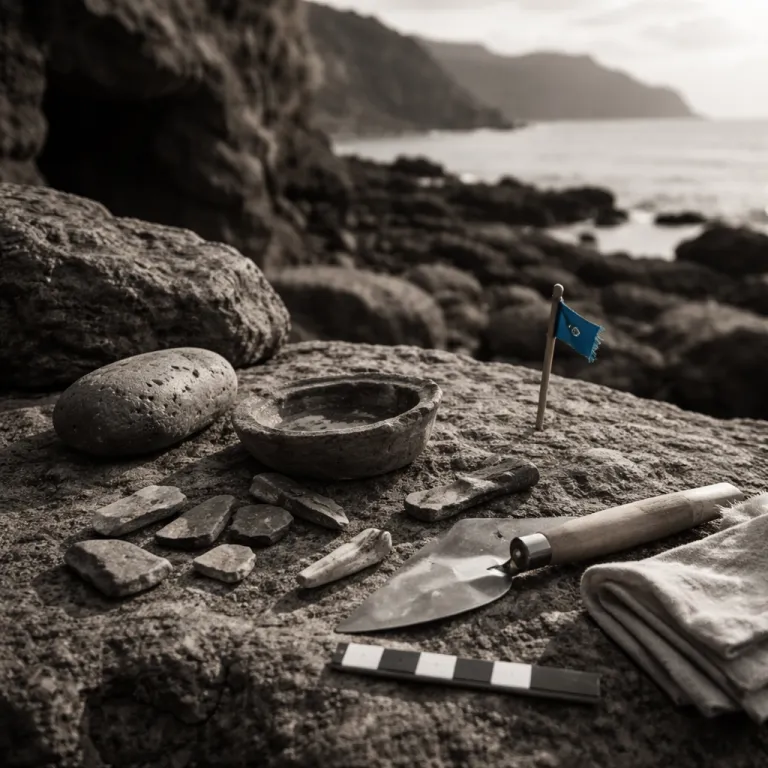
Guanche heritage in the Canary Islands: context for a luxury stay
The story of Guanche heritage in the Canary Islands begins long before any resort infinity pool. The Guanche people were the Indigenous inhabitants of this Atlantic archipelago, a population with Berber roots from North Africa who adapted to each island with remarkable resilience. When you check into a luxury property on any island, you are stepping onto land shaped by these native communities and their layered history.
Historians estimate that up to around 80,000 people lived across the islands before the Castilian conquest, forming distinct societies on each island and developing their own customs and language variants. The Museo Canario in Las Palmas summarises it clearly: “The ancient Canarians developed a Neolithic culture with pottery, agriculture, complex burial rites and, in some islands, mummification practices” (Museo Canario, Archaeology Collection). Recent genetic studies published in journals such as BMC Evolutionary Biology and American Journal of Physical Anthropology also note that today’s Canary Islanders retain a significant proportion of Guanche ancestry, even though the original tongue has largely disappeared and daily life unfolds within contemporary Spanish society.
On the ground, Guanche heritage in the Canary Islands is not an abstract concept but a living presence in place names, food traditions and sacred landscapes. Drive across Tenerife from the lush north to the arid south and you cross former territories of different Guanche menceyatos, or kingdoms, whose borders still echo in municipal lines. Even the capital name Santa Cruz de Tenerife, the harbour of Puerto de la Cruz and the island name Gran Canaria preserve traces of Indigenous inhabitants alongside the later Castilian rule that reshaped their world. As one local historian in La Laguna puts it, “you cannot understand modern Canary Islanders without recognising how much of the Guanche past still sits under our feet and in our surnames.”
Fuerteventura’s cultural hotspots: where luxury meets indigenous history
Fuerteventura is often sold as a pure beach escape, yet its Indigenous past runs deep beneath the dunes. Long before any five-star spa, local communities farmed goats, stored grain in cliffside caves and navigated this dry island using stars and seasonal winds from mainland North Africa. Today, a new generation of curated tours and high-end hotels is reconnecting guests with that history while maintaining serious comfort.
Base yourself in a premium coastal property and you can reach key cultural hotspots in under an hour’s drive, even while enjoying the island’s best gastronomy and service. Around Betancuria, the former capital, archaeological sites reveal how the first settlers adapted to a harsh climate, leaving traces of Guanche language in ravine and mountain names. From here, specialist guides can arrange visits to lesser-known painted cave shelters and ancient pathways that once linked communities across the island’s north and south, often explaining how current conservation rules protect rock art and burial spaces from erosion and overcrowding.
For travelers using a luxury and premium hotel booking website focused on the Canary Islands, Fuerteventura now offers stays that pair poolside ease with serious cultural content. Properties such as the high-end resort featured in this in-depth review of Paradisus Fuerteventura show how design, service and curated excursions can frame the archipelago’s Indigenous narrative for discerning guests. From these bases, you can explore the wider Lanzarote–Fuerteventura cultural corridor, where ferry links and private transfers make multi-island itineraries surprisingly effortless and allow you to compare volcanic landscapes, early agricultural terraces and coastal ritual sites without sacrificing comfort.
From Gran Canaria to Tenerife: museums, painted caves and sacred mountains
Gran Canaria and Tenerife hold some of the most important archaeological sites for understanding Guanche heritage in a tangible way. On Gran Canaria, the UNESCO-listed Risco Caído and the Sacred Mountains Cultural Landscape preserve troglodyte settlements and astronomical markers used by Indigenous inhabitants to track seasons. Staying in a luxury hotel in Las Palmas or in the island’s north allows you to pair these visits with refined dining and discreet service while keeping transfer times short.
In the historic town of Gáldar, the Cueva Pintada archaeological park reveals a reconstructed Indigenous settlement wrapped around a spectacular painted cave, where red and white geometric motifs still glow under controlled light. This painted chamber is central to the history of the island, showing how ancient Canarians used architecture and art to express cosmology before the Castilian invasion. Combine it with a visit to Museo Canario in Las Palmas de Gran Canaria, where the collection of skulls, ceramics and mummified remains gives a sobering view of the population that once filled these valleys; museum signage and catalogues emphasise that human remains are displayed within strict ethical frameworks and ongoing dialogue with local communities.
On Tenerife, the Pyramids of Güímar and the MUNA museum in Santa Cruz de Tenerife offer complementary perspectives on Guanche heritage and wider Atlantic connections. A stay in a refined property near Puerto de la Cruz or in the capital makes it easy to reach both the coastal archaeological sites and the highland landscapes where the Battle of Acentejo marked a turning point in the conquest of the island by Spanish forces. For travelers seeking elegant bases close to the ocean, curated guides to luxury beachfront hotels in Fuerteventura can also help you extend this cultural circuit across islands without sacrificing comfort.
Silbo Gomero, living language and the modern Canarian identity
Language is one of the most intimate ways the archipelago’s Indigenous heritage survives into the present. While the original Guanche language disappeared after the Spanish conquest, echoes remain in hundreds of toponyms and in the whistled speech of La Gomera known as Silbo Gomero. This whistled language, now recognised by UNESCO as Intangible Cultural Heritage of Humanity (UNESCO, 2009), allowed shepherds to communicate across deep ravines and still forms part of school curricula on the island.
For the luxury traveler, a stay on La Gomera can include private demonstrations of Silbo Gomero arranged through high-end lodges or specialist guides, often paired with tastings of traditional gofio-based dishes that date back to Indigenous foodways. Across the Canary Islands, you will hear Canarian Spanish with its soft consonants and vocabulary influenced by both North Africa and Latin America, a reminder that Canary Islanders sit at a cultural crossroads. In conversations with local people, many will reference Guanche ancestry with quiet pride, even as daily life feels entirely contemporary and globalised.
Modern festivals, from romerías to island-specific celebrations, often weave in references to Guanches and other Indigenous peoples of the wider Atlantic. Costumes, drums and chants may not be exact reconstructions, yet they express a desire to honour the history of the islands and their first inhabitants. When you choose hotels that work with local cultural organisations, you support this revival of Guanche heritage while gaining access to more nuanced experiences than any standard excursion can offer. Local curators frequently stress that “heritage is not a theme park” and encourage visitors to see performances and re-enactments as acts of remembrance rather than entertainment alone.
Designing a heritage rich itinerary from a luxury hotel base
Planning a trip around Guanche heritage in the Canary Islands does not mean sacrificing comfort or style. The most rewarding approach is to treat your luxury hotel as a calm base, then move outward to key sites such as Risco Caído, Cueva Pintada, the Pyramids of Güímar and the sacred mountains of Gran Canaria. Many high-end properties now collaborate with archaeologists, local museums and academic partners to curate private visits outside standard opening hours.
On Gran Canaria, a stay in a refined property near the old quarter of Las Palmas allows easy access to Museo Canario, where curators can contextualise the Castilian conquest and its impact on Indigenous inhabitants, including episodes of enslavement and forced conversion. From there, drivers can take you inland to see how the island’s north and south once hosted different Guanche communities, each adapting to microclimates and trade routes with mainland North Africa. Similar patterns appear on Lanzarote and Fuerteventura, where the Lanzarote–Fuerteventura pairing lets you compare how early settlers responded to volcanic versus desert landscapes.
Travelers interested in deeper immersion should look at cave-house stays and heritage-focused retreats highlighted in this guide to cave houses and sacred mountain World Heritage stays. These properties place you close to painted cave complexes, ancient necropolises and highland sanctuaries while still offering premium linens, thoughtful service and strong privacy. By structuring your route across several islands, you begin to see how Guanche heritage connects Tenerife, Gran Canaria, La Gomera and the eastern islands into a single, complex cultural landscape, rather than a series of isolated resort destinations.
Reading the landscape: from North Africa origins to present day Canary Islanders
Every caldera, ravine and plateau in the archipelago carries traces of Guanche heritage if you know how to read the landscape. Genetic and archaeological research confirms that the original population came from North Africa, bringing pastoral traditions that they adapted to each island’s conditions. Over centuries, these Indigenous peoples developed distinct identities, yet they shared core practices such as mummification, cave dwelling and the use of fortified grain silos, documented in excavations on Tenerife, Gran Canaria and Fuerteventura.
The arrival of the Spanish Crown and the long process of conquest, including battles such as the Battle of Acentejo on Tenerife, transformed this world irrevocably. Some Guanches were assimilated into the new colonial society, others perished in conflict or were taken away as enslaved labour, and new settlers from mainland Spain and beyond reshaped the demographic map. Today’s Canary Islanders are the result of this complex blending, with DNA studies indicating notable Indigenous ancestry across the population even though the original language has vanished and many sacred sites are now framed as tourist attractions.
For the thoughtful traveler, this context adds weight to every museum label and every viewpoint over terraced hillsides. When you stand in a painted cave on Gran Canaria or look down from a ridge on Tenerife, you are seeing the same horizons that guided Indigenous inhabitants centuries ago. Choosing hotels and experiences that respect this history allows Guanche heritage in the Canary Islands to remain visible rather than hidden in plain sight behind the usual sun-and-sand narrative. A simple ethical guideline is to treat human remains, burial grounds and ritual spaces with the same discretion you would expect for your own ancestors, avoiding intrusive photography and supporting institutions that prioritise research, conservation and community consultation over spectacle.
FAQ
Who were the Guanches and where did they come from ?
The Guanches were the Indigenous inhabitants of the Canary Islands before the Spanish conquest, with origins in Berber populations from North Africa. They arrived as early settlers and developed distinct island societies over many centuries. Modern Canary Islanders retain genetic links to these peoples even though the original Guanche language has disappeared, as shown by mitochondrial DNA and Y-chromosome studies published in peer-reviewed population genetics research.
Where can I see Guanche heritage while staying in luxury hotels ?
On Gran Canaria, you can visit Cueva Pintada in Gáldar and the Risco Caído and Sacred Mountains area while staying in high-end properties in Las Palmas or the island’s north. On Tenerife, MUNA in Santa Cruz, the Pyramids of Güímar and sites linked to the Battle of Acentejo are accessible from premium hotels in the capital or Puerto de la Cruz. Fuerteventura and Lanzarote also offer archaeological sites and guided tours that can be arranged through luxury and premium hotel booking services, often with private drivers and expert guides to interpret rock engravings, burial caves and early agricultural terraces.
Is there any Guanche culture still alive today ?
While the original Guanche language is no longer spoken, elements of Indigenous heritage survive in place names, food traditions such as gofio and certain festivals. The whistled language of La Gomera, Silbo Gomero, is not Guanche but reflects a similar adaptation to rugged terrain and is now protected as cultural heritage by UNESCO. Many Canary Islanders acknowledge Guanche ancestry and support museum projects, archaeological research and cultural tourism that honour Indigenous inhabitants, with local scholars and community groups increasingly involved in how sites and collections are interpreted.
How can I explore Guanche sites responsibly as a traveler ?
The most respectful approach is to book guided visits through reputable operators or through your hotel concierge, especially for fragile painted cave sites and sacred mountains. Stay on marked paths, avoid touching rock art or artefacts and follow photography rules set by each museum or archaeological park. Choosing hotels that partner with local museums, academic institutions and community groups helps ensure that your visit supports conservation and local benefits, rather than contributing to overcrowding or the commodification of sensitive burial grounds.
Are Guanche heritage experiences suitable for solo luxury travelers ?
Solo travelers are well served, as many high-end hotels in the Canary Islands can arrange private drivers, small-group tours and tailored museum visits. Heritage-focused itineraries that explore Guanche history pair easily with spa time, fine dining and coastal walks, creating a balanced trip. For independent guests, this mix of cultural depth and comfort makes the archipelago particularly appealing compared with more generic sun destinations, and local guides are often happy to adapt the pace and content of visits to individual interests.