Why canary islands heritage accommodation belongs on your luxury shortlist
Canary Islands heritage accommodation lets you sleep inside the story of the archipelago, not just beside the sea. These restored casas, cave dwellings and former manor house estates turn a simple holiday into a stay that connects you with pre-Hispanic culture, volcanic nature and the quiet rhythms of rural life. On a luxury and premium hotel booking website focused on the Canary Islands, these historic properties now sit alongside the best coastal hotels across the islands, offering a different kind of indulgence.
According to data published by Turismo de Islas Canarias in its accommodation reports, only a small fraction of the region’s beds are in officially recognised heritage establishments spread across the main islands, so availability is limited and you should always check dates early, especially for peak island festivals or hiking seasons. These hotels across the Canaries have been restored with traditional techniques yet they integrate modern amenities, which means you can enjoy thick stone walls, carved wooden balconies and cave rooms with reliable Wi‑Fi, high-pressure showers and, often, a discreet outdoor pool or heated swimming pool. When you book character stays of this kind, you are also supporting local families and cultural organisations that work to preserve rural architecture and archaeological landscapes.
Key actors such as IRES LAR, La Palma Luxury Heritage and Casa de Los Camellos Hotel Rural in Gran Canaria specialise in turning historic buildings into refined places to stay that still feel intimate and local. Their rooms tend to be fewer than in a conventional hotel, often between 6 and 20 keys, so each stay feels curated, with staff who know the nearest national park trailhead as well as the quietest guachinche for dinner. As the Canary Islands Tourism Board explains in its guidance on this segment, heritage accommodation means lodging in restored historic buildings that retain their original character.
Risco Caído, sacred mountains and cave houses: sleeping inside pre Hispanic history
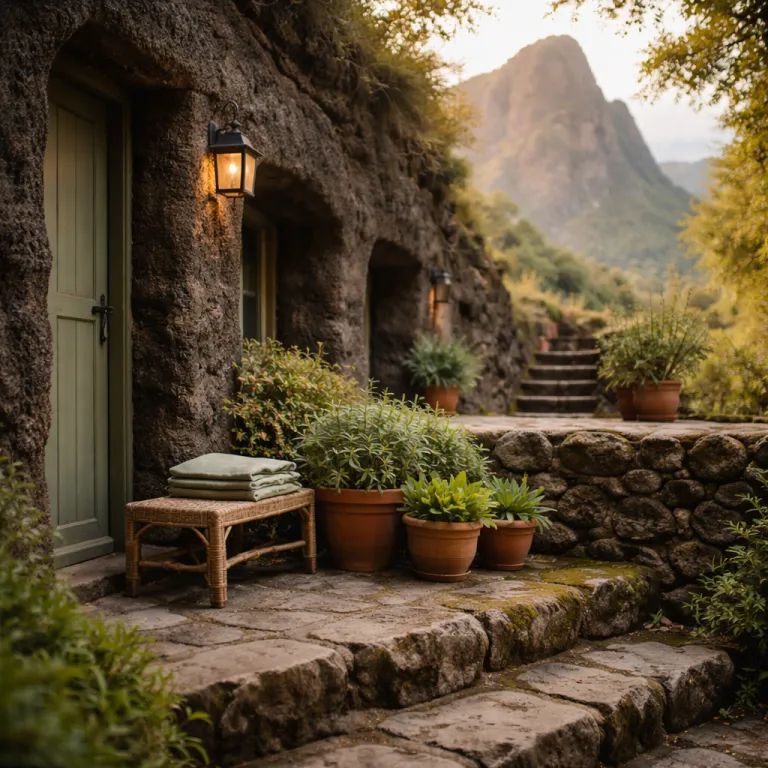
Gran Canaria’s Risco Caído and the Sacred Mountains form the intellectual heart of Canary Islands heritage stays for culture-focused travellers. This UNESCO-listed cultural landscape protects troglodyte settlements, painted caves and an aboriginal astronomical marker that channels the solstice light onto rock engravings, revealing how the first island inhabitants read the sky. Staying in nearby cave houses in Artenara or along the Guayadeque ravine lets you experience similar volcanic architecture in comfort, with rooms carved into soft rock that hold a stable temperature year round.
In Artenara, several casas excavated into the cliff have been converted into rural suites, where your bedroom wall is literally the mountain and the terrace opens onto stunning views of the caldera. These cave casas are among the best places to feel the island’s natural beauty at night, when silence replaces resort noise and the Milky Way hangs over the surrounding ravines like a pale road. The same volcanic logic shapes the Guayadeque gorge, where cave restaurants and small hotels sit side by side with archaeological sites, granaries and necropolises that can be visited with local guides.
Luxury here is not about a vast swimming pool but about the depth of context and the way your stay folds into the landscape. A premium cave hotel rural near Risco Caído might offer just a handful of rooms, a small outdoor pool and a terrace for sunrise yoga, yet the real highlight is waking to see the first light on the sacred mountains. Before you reserve, consider that the most atmospheric cave casas or manor-house-style properties can sell out several months ahead for spring and autumn, when hiking conditions are ideal.
Island by island: heritage stays from Tenerife to La Gomera and La Palma
On Tenerife, Canary Islands heritage accommodation clusters around La Laguna and the northern valleys, where colonial streets and Guanche sites sit close together. Nava Suites in San Cristóbal de La Laguna occupies a historic townhouse with high ceilings, original tiles and a quiet garden, offering refined rooms that pair period details with contemporary design and a small outdoor pool. If you are deciding where to stay in Tenerife beyond the usual resort strips, use a detailed neighbourhood guide such as this one on where to stay in Tenerife to balance heritage, nature and access to the Teide National Park.
Across the water on La Gomera, the Hermigua Valley offers some of the best places for rural stays, with traditional casa farmhouses framed by banana terraces and laurel forest peaks. Here, Canary Islands heritage accommodation often takes the form of small hotel rural properties or independent casas, where you wake to views of the Garajonay National Park ridges and end the day with local wine under clear skies. When you search on a premium booking platform, look for properties that mention restored casa architecture, original stonework and proximity to hiking trails rather than just generic island holiday language.
La Palma, sometimes called La Isla Bonita, has quietly become a reference for culture-led hotels across the Canary Islands, thanks to projects like La Palma Luxury Heritage in Las Ledas. These suites sit in a restored estate with manicured gardens, a swimming pool and panoramic views over the Atlantic, ideal for travellers who want both natural beauty and design-led comfort. For a deeper dive into refined stays on this island, consult a specialist overview such as this guide to elegant hotels in La Palma, then cross-check availability directly with each hotel to secure the exact room category you prefer.
From casona yaiza to Casa Hilario: signature heritage properties for discerning guests
Some Canary Islands heritage accommodation has become almost cult among repeat visitors, precisely because these hotels balance character with quiet luxury. On Lanzarote, Casona Yaiza and Casa Hilario sit in the village of Yaiza, framed by whitewashed walls, palm trees and the lunar slopes of Timanfaya, offering rooms that feel like a private manor house rather than a standard hotel. Both properties lean into Lanzarote’s natural beauty with terraces that frame the volcanoes, small outdoor pool areas and interiors that mix antique furniture with contemporary art.
These hotels across the islands are ideal places to stay if you want to explore the island’s wine region, César Manrique’s architectural interventions and the nearby national park without sacrificing calm. Casona Yaiza offers a handful of individually styled rooms, some with direct access to the swimming pool courtyard, while Casa Hilario focuses on suites with sweeping views over the island’s lava fields. When you review room descriptions, pay attention to which spaces face the volcanoes and which open onto the village, because the experience of sunrise and sunset changes dramatically with orientation.
Elsewhere in the archipelago, Casa de Los Camellos in Agüimes, Gran Canaria, exemplifies the hotel rural model inside a former trading house, with thick stone walls, inner patios and a restaurant that highlights local produce. Properties like this, along with IRES LAR’s portfolio and agrotourism projects such as Redondo de Guayedra, show how Canary Islands heritage accommodation can feel both intimate and polished. They offer a great alternative to a conventional coastal hotel, especially for a solo explorer who values context, local hosts and rooms that tell a story as clearly as any museum label.
Practicalities: how to book, what to expect and avoiding overtourism
Booking Canary Islands heritage accommodation requires a slightly different mindset from reserving a large resort hotel. Many of these casas, cave suites and manor house properties have only a few rooms, so availability can change quickly and it pays to be flexible across several dates if your schedule allows. On a curated luxury and premium hotel booking website, use filters for rural stays, historic buildings and national park proximity rather than just the usual star ratings.
Comfort levels vary, but the best properties in this segment combine thick stone or cave walls with high-quality bedding, efficient heating or cooling and modern bathrooms, sometimes alongside a small outdoor pool or shared swimming pool. You should expect some quirks, such as uneven floors, low doorways or the occasional gecko, because these are authentic casas and cave dwellings rather than newly built hotels. For many travellers, those details are part of the charm, especially when paired with local breakfasts, strong coffee and views that stretch across ravines, islands and the open Atlantic.
Choosing heritage places to stay also helps distribute tourism away from crowded coastal strips, supporting rural economies and reducing pressure on fragile dunes and resort zones. A night in a cave house near Risco Caído or a hotel rural in the Hermigua Valley connects your holiday spending directly with local guides, farmers and craftspeople. If you want to deepen that connection, look for properties that offer cultural immersion programmes, then read independent editorial coverage such as this feature on beyond the resort pool and the last guachinches to understand how food, wine and landscape intersect across the islands.
FAQ about canary islands heritage accommodation
What exactly counts as canary islands heritage accommodation ?
Heritage accommodation in the Canary Islands means staying in restored historic buildings or traditional structures such as cave houses, rural casas, manor house estates or former trading houses. These properties preserve original architecture while adding modern comforts like private bathrooms, quality bedding and, in some cases, an outdoor pool or small swimming pool. The focus is on cultural value, local character and a strong sense of place rather than on size or resort-style amenities.
Are heritage hotels in the Canary Islands more expensive than regular resorts ?
Prices for Canary Islands heritage accommodation vary widely, from simple rural casas to high-end suites in carefully restored estates. Some hotel rural properties are comparable in price to mid-range coastal hotels across the islands, while unique cave houses or design-led manor house conversions can command premium rates, especially when availability is tight. The key is to check availability early, compare what each stay offers in terms of rooms, views and services, and decide whether the added cultural depth justifies the rate for your holiday.
Do heritage accommodations offer modern amenities and reliable comfort ?
Most serious Canary Islands heritage accommodation projects integrate modern amenities such as Wi‑Fi, heating or air conditioning, quality bathrooms and, often, a swimming pool or outdoor pool. Cave houses near Risco Caído, casas in the Hermigua Valley and properties like Casona Yaiza or Casa Hilario have been renovated to meet contemporary comfort expectations while retaining their historic fabric. You should still expect some charming quirks, but not a compromise on basic comfort or cleanliness.
How far in advance should I book a heritage stay in the Canary Islands ?
Because many heritage hotels across the Canary Islands have only a few rooms, it is wise to check availability several months ahead, especially for peak hiking seasons, local festivals or long weekends. Solo travellers with flexible dates may find last-minute rooms, but couples or small groups seeking specific casas or cave suites near a national park should secure their stay early. Always use the check availability tools on specialist booking platforms, then confirm directly with the hotel if you have particular room or view preferences.
Is heritage accommodation suitable for a first time visit to the Canary Islands ?
Heritage places to stay work very well for first-time visitors who value culture, nature and authenticity over nightlife or large resort facilities. A balanced itinerary might combine a few nights in a coastal hotel with several nights in a rural casa, cave house or manor house near key sites such as Teide National Park, the Hermigua Valley or the Risco Caído area. This way, you experience both the islands’ famous climate and their deeper historical layers within a single holiday.