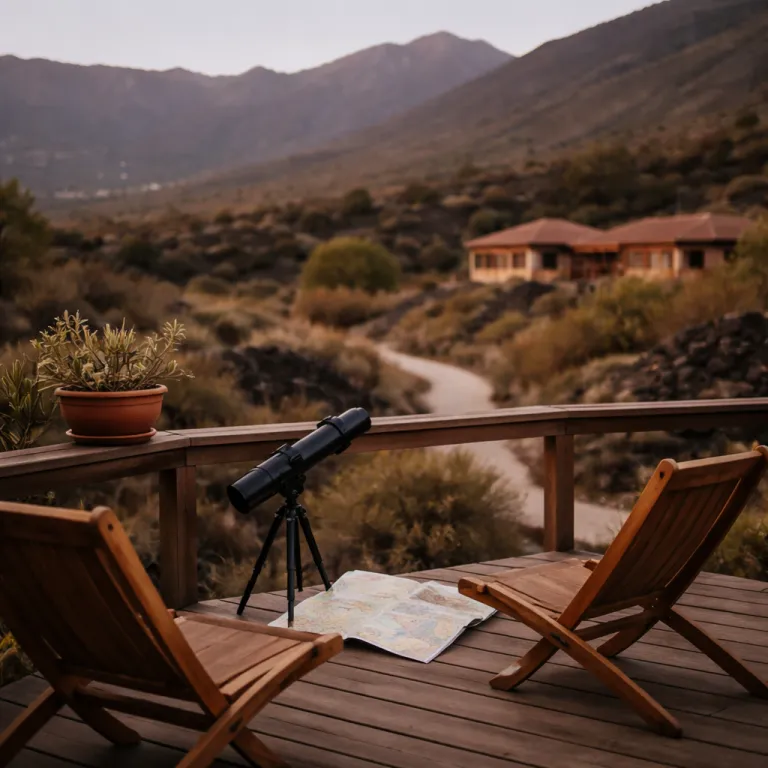
La Palma stargazing hotels on Europe’s quietest sky island
La Palma sits northwest of Tenerife, a steep green isla bonita rising sharply from the Atlantic. This is the Canary Island where La Palma stargazing hotels feel closer to an astronomical outpost than a beach resort, because the island has built its identity around the night sky and the protection of low light levels. Stay here and you will find that even a simple evening walk becomes an observation point for the Milky Way.
The island’s planning rules have kept mega resorts away, so most La Palma astro-hotels tend to be intimate, design conscious and quietly luxurious, with terraces angled toward the sky rather than the pool bar. Many of the best places to stay sit along the western slopes above Los Llanos or near Puntagorda, where low light pollution and stable conditions for stargazing create a natural amphitheatre for the cosmos. For a solo traveler or a family seeking an unforgettable experience, this quieter side of the Canary Islands feels like a full reset from the busier islands.
Across La Palma you will see references to palma stars, Starlight Reserve status and the Roque de los Muchachos Observatory, because the Canary Island has become a benchmark for high quality astronomical research and astrotourism. The UNESCO backed Starlight Reserve and Starlight Tourist Destination designations, granted under the Starlight Foundation criteria, help guarantee that the night sky remains protected year round, which is why La Palma dark-sky retreats can confidently build slow, sky focused itineraries into their guest experience. Choose your base carefully and you will enjoy dark sky terraces by night and volcanic hiking routes by day.
Where to stay on isla bonita for serious stargazing
The most atmospheric La Palma stargazing hotels cluster along the spine of the island, where views sweep up toward Roque de los Muchachos and down to the ocean. Around Puntagorda, for example, you will find rural estates converted into refined retreats, with telescopes on the terrace and staff trained to explain the basics of astronomical observation in clear, unhurried language. Finca La Palma and similar rural casas often host small group sky sessions, making them ideal for travelers who want to enjoy the stars without sacrificing linen quality or thoughtful design.
On the western flank near Los Llanos, many sky focused fincas and boutique hotels pair lava stone architecture with infinity pools that seem to spill into the night sky. Here the low light environment and clean air create ideal conditions for stargazing, so even a short stay becomes a full immersion in the rhythms of the cosmos. Several properties work closely with operators such as AstroLaPalma (founded in 2012) and Ad Astra La Palma to arrange private tours, ensuring that guests will find both comfort and expert guidance in one seamless experience.
If you prefer to split your time between the sky and the trails, look for La Palma stargazing hotels that offer easy access to Caldera de Taburiente and the new Cumbre Vieja terrain. These locations allow you to explore volcanic landscapes by day and join stargazing La Palma sessions by night, often with transfers up toward Roque de los Muchachos or other carefully chosen observation points. For a curated overview of elegant hotels in La Palma that balance these elements, consult this guide to refined La Palma stays with a focus on design and landscape.
Roque de los Muchachos, the observatory and the Starlight Reserve
At the summit of the island, Roque de los Muchachos rises above a sea of clouds, crowned by one of the world’s leading astronomical complexes. The Roque de los Muchachos Observatory, operated by the Instituto de Astrofísica de Canarias and developed from the early 1980s, benefits from exceptionally low light pollution and stable atmospheric conditions, which is why international research teams treat this Canary Island as a northern hemisphere reference point. When you stay in La Palma stargazing hotels, much of the narrative revolves around this high plateau and its role in decoding the universe.
La Palma’s status as a Starlight Reserve is not a marketing flourish but a legal and planning framework that shapes everything from street lighting to hotel architecture. Regional sky protection rules, often referred to locally as the Canary Sky Law, limit intrusive lighting, protect sightlines and help ensure that visitors will enjoy a night sky that remains remarkably pristine, even as tourism grows across the wider Canary Islands. For guests, this means that La Palma astro-lodges can promise consistent conditions for stargazing, with year round clarity that few islands in Europe can match.
Many La Palma stargazing hotels collaborate with specialist guides to arrange evening tours toward Roque de los Muchachos or alternative observation points along the ridge. These tours often include telescope sessions, laser guided explanations of the constellations and practical tips on astrophotography, turning a simple outing into an unforgettable experience under the palma stars. If you are considering combining La Palma with a more resort focused stay elsewhere in the archipelago, look at this curated selection of refined all inclusive resorts in the Canary Islands to balance sky watching with effortless beachside downtime.
From Cumbre Vieja to Caldera de Taburiente: daytime routes for sky focused travelers
La Palma is not only about the night sky; the island’s volcanic topography shapes every day on the trails. The post eruption landscape around Cumbre Vieja, reshaped by the 2021 Tajogaite eruption that lasted from September to December, has become a living geology classroom where guided tours explain how lava flows, ash fields and new coastlines are reshaping this corner of the Canary Islands. Many La Palma stargazing hotels now work with local experts to offer combined day and night itineraries, so guests can walk the new terrain before watching the same ridge glow under the stars.
Caldera de Taburiente, a vast erosion crater at the island’s heart, remains one of Europe’s most dramatic yet under known hiking destinations. From the rim, you will find sweeping views toward Roque de los Muchachos by day, then return to your hotel terrace to trace the same contours against the night sky. This rhythm, moving from geological time to astronomical time in a single day, is what sets La Palma dark-sky retreats apart from more conventional Canary Island resorts.
For solo travelers, the combination of well marked trails, knowledgeable guides and a compact island footprint makes La Palma an easy place to navigate without a car. Families, meanwhile, can enjoy shorter walks through pine forests and lava fields before joining family friendly stargazing Palma sessions that keep explanations clear and engaging. If you are planning a longer archipelago itinerary, consider pairing La Palma with a design forward coastal property such as those highlighted in this review of luxury hotels in Fuerteventura, creating a journey that moves from dunes and surf to craters and constellations.
How to plan your stay in la palma stargazing hotels
Reaching La Palma usually involves a short Binter Canarias hop from Tenerife or Gran Canaria, or a ferry link from nearby islands, which keeps overall visitor numbers low compared with the main Canary Islands. This relative isolation is part of the appeal, because it helps preserve low light levels and the calm atmosphere that La Palma stargazing hotels rely on for their sky focused experiences. Aim for a minimum stay of four or five nights, so you have time to adapt to the island’s slower rhythm and allow for occasional cloud cover.
When choosing between La Palma stargazing hotels, pay close attention to altitude, orientation and access to guided tours. Properties between roughly 700 and 1 400 metres often enjoy the best balance between clear skies and comfortable temperatures, while west facing terraces maximise sunset and night sky views. Many hotels can arrange private or small group tours with AstroLaPalma or similar operators, and as they explain, “Tours available year-round, best visibility during new moon phases.”
Packing for La Palma requires a little more thought than a standard Canary Island beach break. Even in the warmest months, you will enjoy the night sky more if you bring layers, a windproof jacket and shoes suitable for rocky observation points. For families, a red light torch helps children move safely without disturbing conditions for stargazing, while solo travelers may want to carry a notebook to record constellations, planets and the quiet sense of perspective that tends to arrive on this dark, patient island.
FAQ
What is the best time of year to visit La Palma for stargazing ?
La Palma offers high quality stargazing conditions year round, thanks to its stable climate and protected skies. The best time for serious observation is around the new moon, when the night sky is darkest and the Milky Way stands out clearly. If you are booking La Palma stargazing hotels, try to align your stay with these lunar phases for the most unforgettable experience.
Do I need prior astronomy knowledge to enjoy la palma stargazing hotels ?
No specialist background is required to enjoy the astronomical focus of La Palma astro-hotels. Local guides and hotel teams are used to welcoming complete beginners, explaining constellations, planets and deep sky objects in accessible language. Many tours provide telescopes, star charts and laser pointers, so you can simply arrive with curiosity.
Are stargazing tours in La Palma suitable for families with children ?
Most stargazing Palma experiences are designed to be family friendly, with flexible timings and clear explanations. Children usually respond well to the drama of the night sky, especially when guides use lasers to trace shapes and stories among the stars. Check with your chosen hotel or operator about minimum ages and walking distances to each observation point.
How many clear nights can I expect during a stay in La Palma ?
La Palma is widely reported to enjoy a high proportion of clear nights each year, according to long term figures cited by the Instituto de Astrofísica de Canarias and the Starlight Foundation. This reliability is one reason the Roque de los Muchachos Observatory was established on the island. The statistics mean that guests in La Palma stargazing hotels have a strong chance of enjoying several excellent sessions during a standard week long stay, though weather can still vary by season and microclimate.
What should I pack for a stargazing focused trip to La Palma ?
Even though La Palma belongs to the subtropical Canary Islands, nights at altitude can feel cool and windy. Pack warm layers, a hat, closed shoes and, if possible, a small red light torch to preserve night vision during observations. A pair of binoculars and a simple star app on your phone will help you make the most of the dark skies around La Palma stargazing hotels.
Suggested sources for further reading : Instituto de Astrofísica de Canarias, UNESCO Starlight Foundation, Canary Islands Tourism Board.