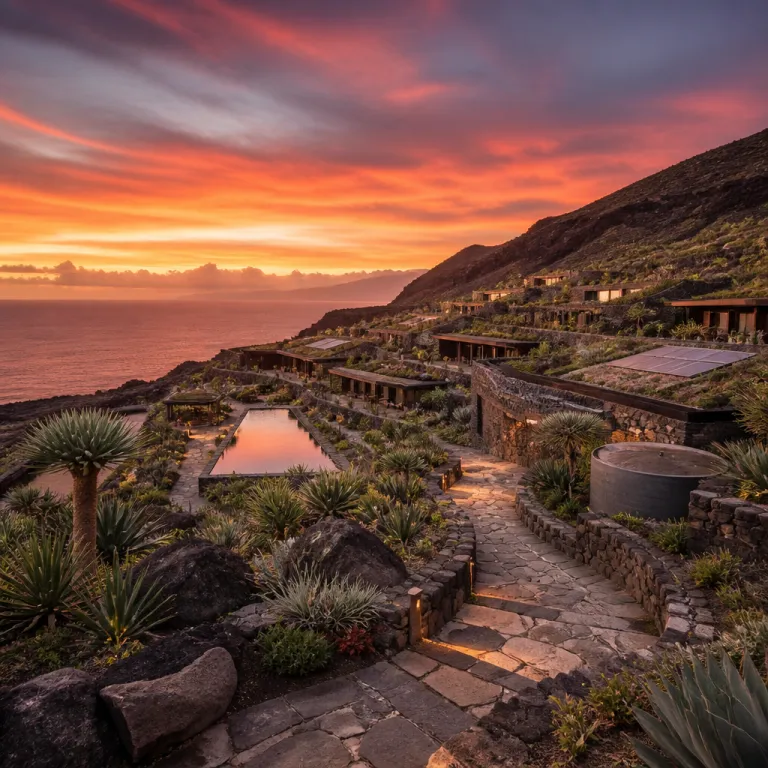
Why sustainable luxury in the Canary Islands now means hard numbers
On these Atlantic islands, high-end eco-conscious hotels now sit under a sharper spotlight. With tourism spending measured in tens of billions of euros, the environmental impact of every hotel stay is no longer abstract but a daily pressure on each island’s limited resources. For business leisure travelers extending a work trip into a holiday, the question is simple yet demanding: how do you find a hotel in the Canary Islands that treats sustainability as measurable rigor, not marketing gloss?
The Canary Islands’ sustainable luxury properties that matter start with data, not slogans. Iberostar Hotels in Tenerife, for example, report operating on 100 percent renewable electricity in Spain, a figure confirmed in the group’s 2022 Responsible Tourism Report and verified at chain level.1 Iberostar also discloses metrics such as a 10 percent reduction in energy intensity (kWh per guest night) between 2019 and 2022 and detailed water-efficiency targets, allowing travelers to compare performance over time. When a hotel chain can show that its energy and water systems are largely powered by renewables and efficiency measures, you are looking at practices that genuinely reduce carbon emissions and help protect the surrounding volcanic landscapes.
Scale changes the stakes across the archipelago, from Tenerife to Gran Canaria and La Gomera. Tourism strategies must absorb millions of arrivals while keeping the natural environment resilient, which is why the region’s new holiday rental law links tourist licenses to energy efficiency and sustainable construction standards in the official regional legislation.2 This structural approach promotes sustainable development beyond individual eco-hotel projects and pushes both independent properties and international brands across the islands to align with measurable, environmentally responsible benchmarks.
From towel cards to transformation: what real eco luxury looks like
Many hotels in the Canary Islands now place the same polite card about reusing towels beside the bathroom sink. That gesture may feel eco-friendly, yet it barely touches the environmental impact of large-scale tourism when measured against energy use, water consumption, food waste, and land use. The region’s most credible sustainable luxury hotels redesign the entire guest experience around responsible comfort rather than symbolic gestures.
Royal Hideaway Corales Villas in Costa Adeje is a case in point, built with renewable energy solutions integrated into the architecture rather than retrofitted later. Its 139 rooms and 21 private pool villas were planned with environmental certification in mind, so solar panels, efficient insulation, and passive cooling are part of the original blueprint rather than an afterthought. The property reports high-efficiency LED lighting throughout and centralized energy management systems that cut unnecessary consumption in unoccupied spaces. For an executive traveler, that means you can enjoy a high-privacy stay with ocean views while knowing your holiday is supported by a deep commitment to sustainability rather than a thin layer of green branding.
Across the islands, a new generation of eco-hotel projects blends luxury with bioclimatic design and local materials. Properties such as EcoHotel El Agua in Tenerife or Bancal Hotel & Spa in La Gomera use volcanic stone, cross-ventilation, and low-impact lighting to keep rooms cool without overloading the grid. Several of these retreats pursue or hold recognized certifications such as Biosphere Responsible Tourism or ISO 14001 environmental management, with certification IDs and audit dates published in their sustainability documentation. If you want a curated overview of such eco-luxury retreats, a dedicated guide to sustainable elegance for discerning travelers in the Canary Islands is a useful starting point for comparing upscale hotels that genuinely promote responsible tourism.
Islands under pressure: laws, limits, and the new rules of responsible stays
The Canary Islands sit off the northwest coast of Africa, closer to mainland Europe than to the Caribbean, yet their tourism model is now moving in a distinct direction. Instead of endless coastal sprawl, the region is experimenting with rules that keep at least 90 percent of homes residential, limiting short-term rentals to protect local communities.2 For travelers, this means that a sustainable stay is no longer just about choosing green hotels but about understanding how your holiday fits into a wider social contract.
The new holiday rental law links tourist licenses to strict criteria on energy efficiency, sustainable construction, and environmental protection. In practice, this pushes owners to install solar panels, improve insulation, and adopt water-saving systems before they can welcome guests, aligning private rentals with the standards already expected from environmentally certified hotels. Drafts of the law and accompanying technical documents specify performance thresholds for building envelopes, maximum energy demand per square metre, and obligations to register energy certificates, making the framework more than a symbolic gesture. Some municipalities are also trialing a modest tourist tax of around one to three euros per night, earmarked for environmental restoration projects and public housing that soften the impact of high-volume tourism, with proposals and pilot schemes debated in local council minutes and regional policy papers.3
These measures respond to a reality that high-end hotels in the Canary Islands cannot ignore: millions of visitors arrive each year, and their presence reshapes both nature and city life. Critical voices, including international travel editors, have even placed the archipelago on “no travel” lists to highlight the risks of overtourism and fragile volcanic landscapes. Environmental NGOs and local resident platforms echo these concerns, pointing to pressure on freshwater supplies, coastal erosion, and housing affordability. If you want to understand this debate in depth before you book, an analysis of the Canary Islands appearing on a major no travel list offers valuable context for planning a responsible yet rewarding stay.
Where sustainability feels tangible: island by island, hotel by hotel
On Tenerife, sustainable tourism now has a clear physical presence, from Iberostar’s renewable-powered hotels to holistic retreats such as EcoHotel El Agua. These properties sit between the Atlantic and the volcanic landscapes of Teide, using bioclimatic design, local stone, and native planting to protect the natural environment. Guests can move from a morning meeting in Santa Cruz to an afternoon in an eco finca or spa, turning a business trip into a restorative holiday without abandoning responsible travel principles.
La Gomera offers a different rhythm, where Ávalos Resort and Bancal Hotel & Spa blend almost invisibly into terraced hillsides. Here, sustainable practices include organic farming, permaculture gardens, and low-rise architecture that respects both nature and the island’s cultural landscape. Hotel Jardín Tecina’s 9,500-square-metre Eco Finca Tecina, for example, supplies organic produce to its restaurants, so your tasting menu becomes a direct link between local agriculture, low-impact holidays, and reduced food miles.
Gran Canaria, often associated with large resorts, now hides some of the best examples of eco-friendly renovation and adaptive reuse. In and around Playa del Inglés, several properties have upgraded to efficient energy and water systems, green roofs, and shaded courtyards that reduce cooling needs while improving guest comfort. Independent assessments of renovated buildings on the island suggest that comprehensive retrofits can cut energy consumption by 30 to 40 percent per square metre compared with older stock, especially when combined with smart controls and efficient appliances. If you prefer more privacy with a lighter footprint, consider one of the elegant apartments in Playa del Inglés for a refined Canary Islands stay, where smaller-scale living can mean lower resource use and a closer connection to local neighborhoods.
How to read between the lines when you book your sustainable stay
When every hotel website claims to be green, the booking process becomes a test of your ability to separate marketing from measurable action. Start by looking for clear data on renewable energy use, waste reduction, and water management rather than vague references to being eco-friendly. The most credible luxury hotels in the Canary Islands publish specific figures, such as the percentage of renewable energy used, kWh per room night, or the size of their eco finca projects, and explain how these numbers reduce environmental impact over time.
Certifications and transparent reporting matter, but so does the way a hotel integrates with its surrounding nature and community. A property that supports local suppliers, employs residents in skilled roles, and offers guests access to low-impact experiences in the volcanic landscape is doing more than ticking a sustainability box. As one expert summary puts it with useful clarity: “What defines a sustainable luxury hotel? A hotel combining high-end amenities with genuine environmental and social responsibility.”
Before you confirm your stay, read recent guest reviews that mention sustainable practices in detail, not just the word “sustainable” itself. Check whether the hotel’s commitment to sustainability extends to construction materials, energy and water systems, and mobility options such as electric vehicle charging or shuttle services that reduce car use across the islands. If you align your booking choices with these criteria, your holiday supports tourism-led sustainable development that promotes long-term growth while keeping the Canary Islands’ natural environment and volcanic landscapes resilient for future travelers.
FAQ about sustainable luxury hotels in the Canary Islands
What defines a sustainable luxury hotel in the Canary Islands?
A sustainable luxury hotel in the Canary Islands combines high-end comfort with verifiable environmental and social responsibility. This usually means strong practices around renewable energy, water efficiency, and waste reduction, alongside support for local suppliers and communities. The best properties also integrate sensitively with the volcanic landscape and natural environment, avoiding overbuilding and protecting nearby nature.
Are sustainable luxury hotels more expensive than other hotels?
Rates at sustainability-focused hotels can be higher, especially where solar panels, advanced energy and water systems, and eco-friendly materials have increased construction costs. However, these properties often deliver better long-term value through healthier spaces, quieter natural settings, and more thoughtful service. Many travelers find that the quality of the experience, from local food to calmer surroundings, justifies the price difference for both short stays and longer eco-conscious holidays.
How can I verify a hotel’s sustainability claims before I book?
Look for independent certifications, detailed sustainability reports, and concrete data such as the percentage of renewable energy used or the size of on-site eco finca projects. Guest reviews that mention specific practices, like waste separation, organic gardens, or low-impact excursions into volcanic landscapes, are more reliable than generic praise. As a practical rule of thumb: “How can I verify a hotel's sustainability claims? Look for certifications, read reviews, and check for transparent sustainability reports.”
Which Canary Islands are best for a sustainable luxury stay?
Tenerife offers some of the most advanced sustainable luxury resorts, including Iberostar properties powered entirely by renewable electricity in Spain and wellness-focused eco-hotel retreats. La Gomera excels for guests seeking quiet nature, with Ávalos Resort, Bancal Hotel & Spa, and Hotel Jardín Tecina’s Eco Finca Tecina showcasing strong commitment to sustainability in a dramatic natural environment. Gran Canaria combines upgraded green resorts with smaller eco-friendly apartments, giving travelers a range of responsible options from coastal stays to inland eco fincas.
Does choosing a sustainable hotel really reduce my environmental impact?
Yes, provided the hotel’s sustainability measures are robust and measurable rather than symbolic. When a property uses renewable energy, efficient energy and water systems, and local supply chains, each guest stay generates lower emissions and less waste than in a conventional hotel. Combined with responsible choices such as using public transport, joining low-impact nature excursions, and supporting local businesses, your holiday can contribute to tourism-driven sustainable development that genuinely promotes resilient futures for the islands.
References
- Iberostar Group, “2022 Responsible Tourism Report,” which notes that Iberostar’s operations in Spain are supplied with 100% renewable electricity and provides energy-intensity and water-efficiency indicators that can be checked against previous years. ↩
- Government of the Canary Islands, draft and approved regulations on holiday rentals linking licenses to energy efficiency, limiting the proportion of homes used for tourist purposes, and requiring registered energy performance certificates. ↩ ↩
- Regional and municipal proposals in the Canary Islands for a tourist eco-tax of approximately €1–€3 per person per night, earmarked for environmental and housing projects and discussed in local council documentation and regional policy debates. ↩