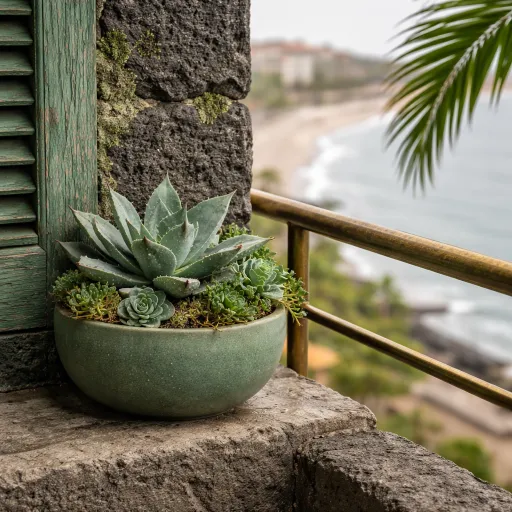
Discover the best hotels in Las Lagunas, San Cristóbal de La Laguna (Tenerife): what the area is really like, who it suits, how to choose the right hotel, and a curated list of top places to stay near Plaza del Adelantado and the cathedral.
Staying in Las Lagunas: what travelers really find
Low pastel façades, volcanic stone underfoot, and church bells from Plaza del Adelantado set the tone in this historic laguna area of northern Tenerife. When people search for a “hotel in Las Lagunas Canary Islands”, they usually mean the compact old town of San Cristóbal de La Laguna, a UNESCO-listed city about 10 km (15–20 minutes by car) from Santa Cruz de Tenerife and roughly 5 km (10 minutes) from Tenerife North Airport. This is not a beach resort. It is an atmospheric colonial town where guests trade sunloungers for cloisters, cafés, and cool evening air.
The best hotels here tend to occupy restored mansions around streets such as Calle Obispo Rey Redondo and Calle Nava y Grimón. Rooms often open onto wooden galleries and interior patios rather than sea views. For many travelers, that swap feels superb: you wake to church towers and tiled roofs instead of the usual coastal strip. Those expecting a large resort swimming pool or a vast pool free of other guests will be disappointed; this is an urban, walkable setting with smaller, more intimate spaces and a focus on character rather than scale.
Choosing Las Lagunas over Santa Cruz or the southern costa is a clear statement of preference. You come for history, for the easy tram link to Santa Cruz (around 35–40 minutes from La Trinidad stop), and for evenings spent in wine bars rather than in all-inclusive hotels. If you want nightlife on the scale of Costa Adeje or a “costa mágica” of endless beach clubs, this is not your area. If you want to step out of your hotel door straight into a living Canarian city, it is one of the best bases on the island.
Atmosphere and area: who Las Lagunas suits best
Stone arcades on Calle Herradores, students spilling out of the University of La Laguna, and families strolling the pedestrianized centre give the city a lived-in rhythm. Travelers who appreciate that mix of local life and discreet hospitality tend to rate their stay as fabulous, even if they never see the ocean from their room. The area works especially well for adults who enjoy culture, architecture, and food more than poolside entertainment or organized resort activities.
Compared with Santa Cruz, San Cristóbal de La Laguna feels smaller, cooler in temperature, and more intimate. The sea is a tram or bus ride away, not at your doorstep, but in exchange you gain quiet nights and a sense of place that coastal strips rarely match. Guests often comment in their own reviews that they walked the entire historic core in a single afternoon, then kept discovering new courtyards and cafés on later days. It is that kind of city: compact, layered, never rushed, with enough variety to fill several days without feeling overwhelming.
Families with young children can still enjoy the area, but the lack of large resort-style swimming pool complexes and kids’ clubs means it is not the obvious choice for a first Canary Islands holiday. Couples, solo travelers, and small groups of friends fare better. They can spend mornings exploring churches and convents, afternoons taking the tram down to Santa Cruz Tenerife for shopping or the waterfront, and evenings back in the laguna streets, where tapas bars stay open late but rarely feel rowdy or dominated by nightlife crowds.
What to expect from hotels in Las Lagunas
Most properties in this laguna hotel scene are set in historic buildings with thick walls and inner patios. You will find a mix of intimate town hotels and a few larger, more traditional establishments that locals sometimes refer to as gran hotels because of their scale and heritage architecture. Rooms often feature wooden ceilings, stone floors, and tall shuttered windows rather than cutting-edge design. The overall impression is more character than flash, with comfort levels ranging from simple boutique guesthouses to polished four-star hotels.
Facilities tend to be focused rather than sprawling. A small hotel spa tucked into a former cellar, perhaps, or a compact swimming pool in a courtyard rather than a vast rooftop deck. Some hotels offer a pool free of outside day visitors, reserved only for staying guests, which keeps the atmosphere calm. If a full wellness circuit is important to you, check the details carefully before booking; in this historic fabric, space is at a premium and not every property can accommodate a full spa or gym. Typical nightly rates in the old town run from about €70–€100 for simpler rooms to €140–€220 for larger suites in the most sought-after mansions, depending on season.
Service style leans toward personal and attentive rather than highly formal. Staff know the streets, the nearby guachinches (informal wine taverns), and the quickest route to the tram for Santa Cruz. You are more likely to be given a hand-drawn map to the Leal Theatre on Calle Obispo Rey Redondo than a glossy brochure. For many travelers, that human scale is precisely what makes these hotels feel superb, even if they lack some of the grand gestures of a purpose-built resort or a large international chain.
Comparing Las Lagunas with other Tenerife bases
Choosing between San Cristóbal de La Laguna and the coastal south of Tenerife is not a minor detail; it shapes your entire trip. The laguna area sits inland at around 550 metres above sea level, which means fresher evenings and more changeable weather than in the sun-baked resorts of Costa Adeje or Los Cristianos. If your priority is guaranteed pool days and easy beach access, the south still wins. If you prefer to walk cobbled streets and visit museums rather than beach bars, the laguna city is the better fit and often feels more authentically Canarian.
Compared with Santa Cruz, the capital, Las Lagunas offers more historic depth and a calmer rhythm. Santa Cruz Tenerife excels for port life, contemporary culture, and access to the sea, while the laguna excels for colonial architecture and a sense of old Canary Islands life. Many guests split their stay between the two, using the tram that links San Cristóbal and Santa Cruz in about 40 minutes to move easily between atmospheres and to balance city waterfront time with quieter evenings in the old town.
Against other historic towns on the island, such as La Orotava, the laguna has one decisive advantage for travelers: connectivity. Tenerife North Airport lies roughly 5 km away, and the TF-5 motorway skirts the city, making day trips to the Anaga mountains or the north coast straightforward. For visitors who want to explore widely but sleep in one place, that combination of heritage centre and transport links is hard to beat, especially if you value not having to drive long distances at the end of the day.
How to choose the right hotel in Las Lagunas
Room type and building style should be your first filters. Some properties occupy grand former palacios with high ceilings and formal lounges, closer in spirit to a traditional gran hotel. Others are smaller townhouses with just a handful of rooms around a single patio. Decide whether you want that sense of scale and ceremony or a quieter, more domestic feel. In both cases, check whether your room faces the street or the inner courtyard; street-facing rooms bring more city life, courtyard rooms more calm and often better insulation from late-night noise.
Facilities come next. If a swimming pool matters, verify its size and setting rather than assuming a resort-style layout. In this dense urban fabric, a small plunge pool or a narrow lap pool is more common than a large free-form design. If you value wellness, look for a hotel spa with treatment rooms and perhaps a small thermal area; not every property in the laguna area offers this, and the difference in experience can be significant for longer stays or winter visits when you spend more time indoors.
Finally, consider your daily rhythm. Early risers who plan to explore the island by car may prefer hotels with easy access to the TF-5 rather than those deep in the pedestrian core. Night owls who want to step out into the bar scene around Plaza de la Concepción might accept a little more street noise in exchange for that immediacy. Reading guest review summaries with an eye for these patterns – noise, light, access – is more useful than focusing on a single overall score or one unusually positive or negative comment.
Practical tips: location, culture, and expectations
Distances in San Cristóbal de La Laguna are short, but micro-locations still matter. A hotel near Plaza del Adelantado offers quick access to the tram stop La Trinidad (about 8–10 minutes on foot) and to the main shopping axis of Calle Herradores. One closer to the cathedral places you within a few minutes’ walk of the Leal Theatre, where local performances and concerts give a window into Canarian culture. Both areas are good; they simply frame your stay differently, with slightly different evening atmospheres.
Parking can be a quiet challenge in this historic centre. If you plan to rent a car to explore Tenerife, check whether your chosen hotel offers on-site spaces, a reserved spot in a nearby public car park, or discounted access to a garage on the edge of the old town. Being able to leave the car and walk into the pedestrian core is a small but meaningful luxury. For those relying on public transport, the tram to Santa Cruz and buses toward the Anaga Rural Park make it easy to combine city life with hikes and coastal excursions without worrying about driving or parking.
Culturally, the laguna city feels more local than resort-oriented. You will hear Spanish and Canarian dialects on the street, see students heading to the university, and share cafés with residents rather than only with other travelers. For many guests, that blend is what makes their stay feel superb rather than generic. It is not a stage set; it is a working city that happens to welcome visitors with grace, especially those who respect local rhythms and treat the historic centre as a neighbourhood rather than a theme park.
Reading and using hotel reviews wisely
Online reviews for hotels in Las Lagunas often highlight the same themes: location in the historic centre, charm of the old buildings, and the balance between atmosphere and comfort. When you read a review, look for specific mentions of street names or landmarks such as the cathedral, Plaza del Adelantado, or the Leal Theatre. Those details help you understand the real setting better than a generic “good area” comment and make it easier to match a hotel’s position to your own priorities.
Pay attention to how guests describe noise, light, and climate. The thicker walls of historic buildings can keep rooms cool and quiet, but they can also mean fewer windows or less direct sun in some categories. Some travelers call that superb for sleeping; others find it too dim. The same applies to inner courtyards versus street views. Neither is objectively best, but one will suit your habits more, especially if you are sensitive to early-morning light or prefer to watch city life from a balcony.
Finally, use reviews to cross-check your priorities rather than to chase perfection. If several guests mention that the swimming pool is small but pleasant, you know not to expect a resort complex. If others praise the staff for arranging day trips to Santa Cruz or to the Anaga mountains, that signals a hotel used to independent travelers. The most useful pattern is not the single ecstatic or angry review, but the recurring details that align – or clash – with the way you like to travel and the kind of hotel in Las Lagunas Canary Islands you are actually seeking.
Top Hotels in Las Lagunas Canary Islands
Las Lagunas in Tenerife is an excellent choice if you prefer a historic, walkable city with strong local character over a conventional beach resort. Expect intimate town hotels in restored buildings, more patios than large pools, and easy tram access to Santa Cruz de Tenerife and the coast. It suits adults, couples, and culture-focused travelers best, especially those who value architecture, food, and day trips into the island’s interior. Before booking, compare location within the old town, presence and size of any swimming pool or spa, and the balance between courtyard calm and street life described in recent guest reviews.
FAQ
Is Las Lagunas a good base for exploring Tenerife?
Yes, San Cristóbal de La Laguna is a strong base for exploring northern Tenerife. It sits close to Tenerife North Airport, near the TF-5 motorway, and is linked to Santa Cruz by tram, which makes day trips to the Anaga mountains, the north coast, and the capital straightforward while still letting you sleep in a historic, atmospheric city.
Can I stay in Las Lagunas if I want beach time?
You can, but you will commute to the sea. The city itself is inland, so you will reach beaches by tram and bus via Santa Cruz or by car. Travelers who want daily, effortless beach access may prefer coastal resorts, while those happy to combine occasional beach days with urban and cultural experiences will find the laguna location very workable.
Do hotels in Las Lagunas usually have swimming pools?
Some hotels in the laguna area offer small swimming pools or plunge pools, often in interior courtyards or on compact terraces, but large resort-style pools are rare. If pool time is important to you, check the size, setting, and access conditions of the pool in your chosen property rather than assuming a standard resort layout.
Is Las Lagunas suitable for families with children?
Families can enjoy Las Lagunas, especially those with older children who appreciate history and city life, but the area is not designed as a family resort. There are fewer large pools, kids’ clubs, and organized activities than in southern coastal areas, so parents should plan their own excursions and entertainment.
How does Las Lagunas compare with Santa Cruz de Tenerife for a city stay?
Las Lagunas offers a smaller, cooler, and more historic environment, with colonial streets and a strong local community feel. Santa Cruz de Tenerife is larger, more contemporary, and closer to the sea, with a busier cultural and commercial scene. Many travelers choose to visit both, but for a stay focused on heritage and calm evenings, the laguna city usually has the edge.